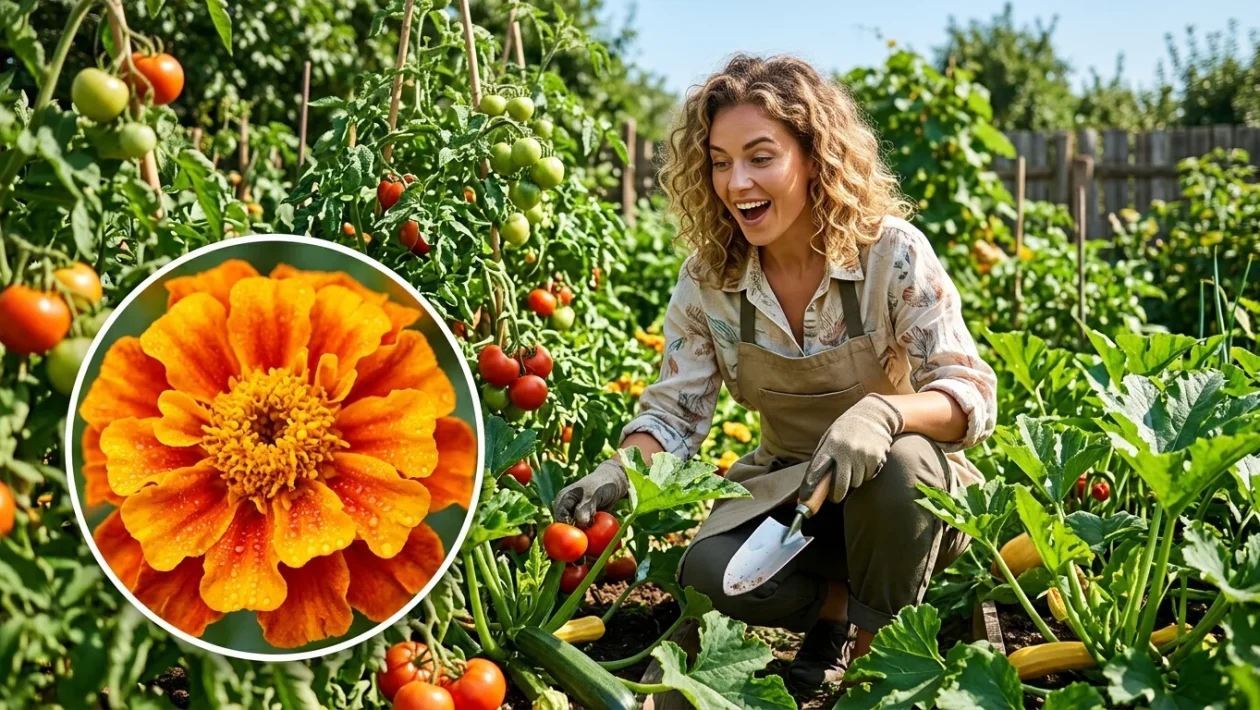
Many gardeners dismiss the marigold as a simple weed or an outdated bedding plant. Its bright orange and yellow blooms are ubiquitous, but the plant carries a surprisingly pungent, almost skunky odor.
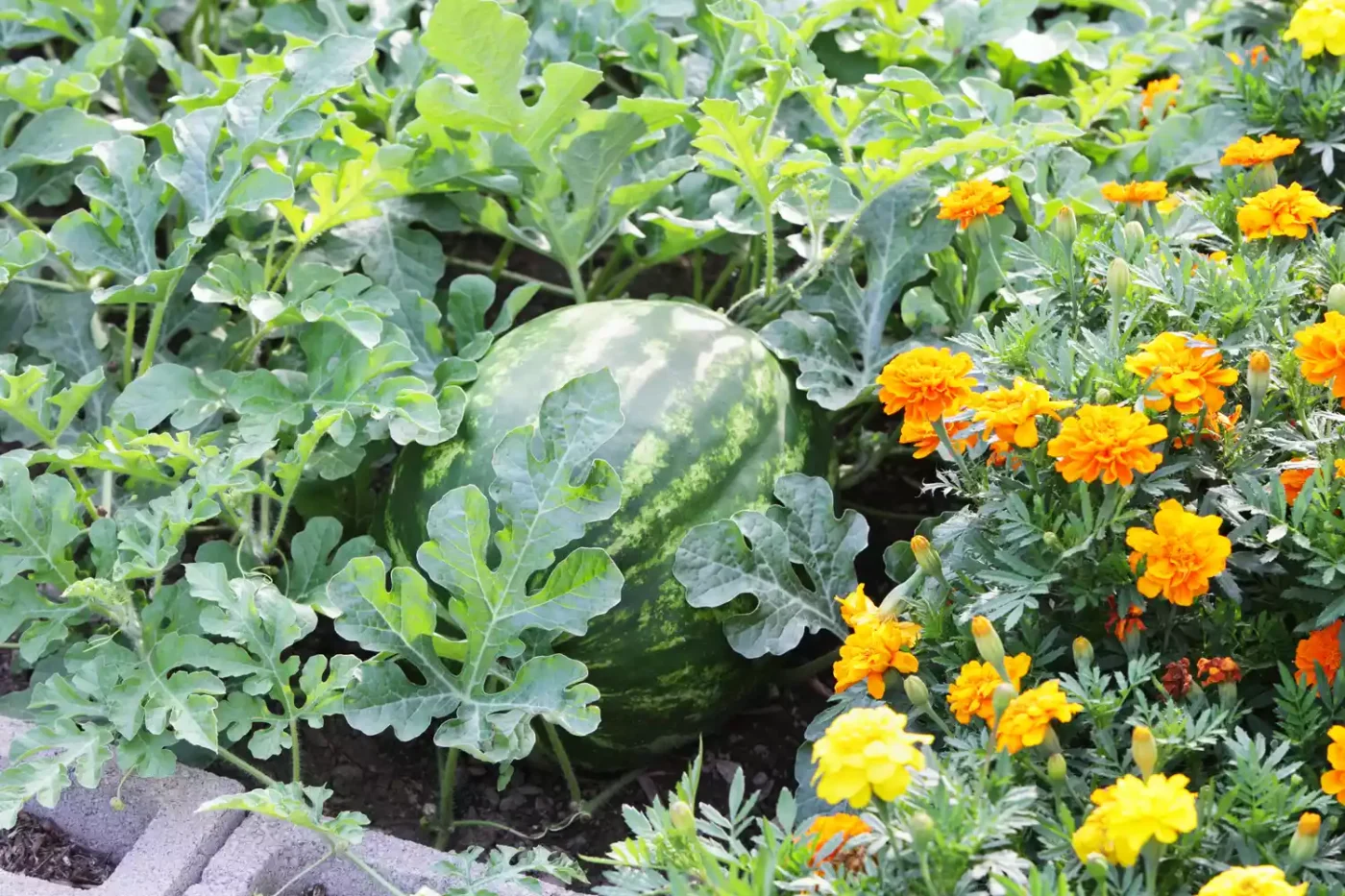
Bright orange and yellow marigolds growing closely together in a lush garden bed.
That intense smell is exactly what makes this native U.S. plant a secret horticultural weapon. Growers increasingly rely on marigolds as companion plants to naturally ward off destructive insects.
The Science of Stink
Do not expect marigolds to magically vaporize every bug in your yard. However, agricultural research backs up their role as a highly effective companion crop.
You can easily find French and African marigolds at local garden centers. Despite their international names, both species originate in the Americas.
If your goal is pest control, bypass the prettiest blooms and hunt for the stinkiest. French marigolds (Tagetes patula) pack the strongest scent and offer the most aggressive defense against garden invaders.
Targeting Specific Pests
Strategic planting is key to maximizing a marigold’s repelling properties.
Nematodes: Studies show marigolds deter several varieties of root-knot nematodes. For maximum effectiveness, plant them densely in your soil two months before introducing your primary vegetables and flowers.
Whiteflies: French marigolds are an excellent companion for tomatoes. They release limonene, a chemical compound also found in citrus peels, which actively repels whiteflies.
Squash Bugs: Interplanting marigolds with zucchini can effectively stall cucumber beetles and squash bugs. While it is not a permanent fix, the flowers distract these pests for several weeks, buying your crops crucial growing time.
The Ultimate Trap Crop
Sometimes, marigolds protect your harvest by taking the hit themselves. In this scenario, they operate as a trap crop, naturally attracting swarms of aphids, spider mites, and Japanese beetles.
Yellow marigolds are particularly magnetic to thrips. By placing these flowers strategically, you can lure destructive insects away from your prized vegetables.
Just ensure you plant these trap crops at a safe distance from the plants you want to protect. Placing them too close risks drawing hungry pests directly into your main harvest.