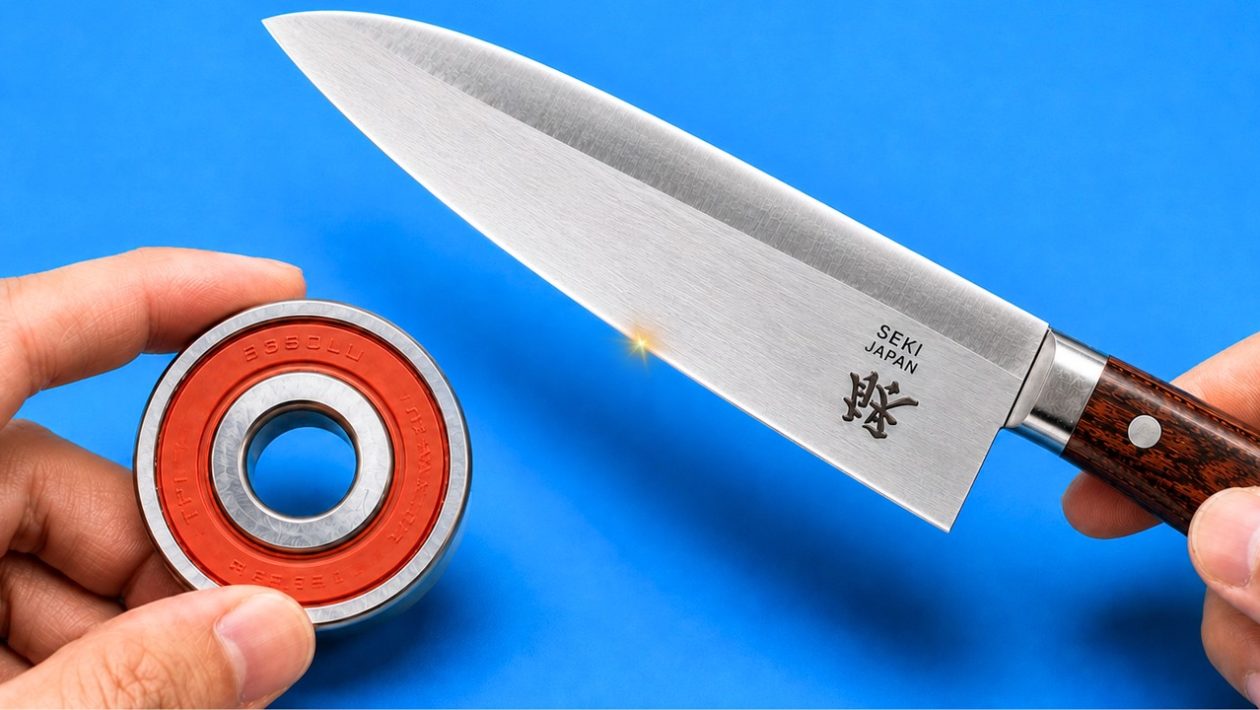
The Anatomy of a Sharp Blade
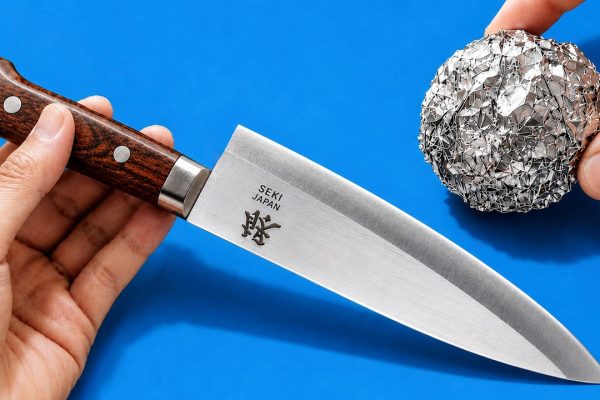
A knife is only as good as its edge. Most kitchen blades lose their efficiency not because the steel itself wears away, but because the microscopic tip of the blade—the apex—folds over. This creates a dull sensation, even if the metal is still technically intact.
To restore a blade to razor-like performance, you must remove enough material to expose a new, clean apex. Achieving a long-lasting edge isn’t about brute force; it is about consistency in angle and the refinement of the steel’s finish.
Establishing the Baseline
Before you begin, inspect the blade. If you have been using a pull-through sharpener, you may have damaged the geometry of the edge. These devices often remove too much metal unevenly.
For a true, lasting edge, switch to manual stones. Start with a coarse grit (around 400 to 600) to reset the bevel angle. Hold the knife at a consistent 15 to 20-degree angle against the stone. If you struggle to maintain this angle, use a guide to ensure you aren’t rounding off the edge.
The Refinement Process
Once you have established a “burr”—a thin, wire-like edge of metal that curls over to the opposite side of the blade—it is time to move to higher grits. Transition to a 1000-grit stone to smooth out the deep scratches left by the coarse abrasive.
Continue moving up in grit, typically to a 3000 or 6000 stone for a finishing polish. Each step should be performed with light pressure. The goal here is to refine the steel, not to remove more material.
Maintaining the Edge for Years
The secret to keeping a knife sharp for years isn’t constant sharpening; it is diligent honing. A sharpening stone removes metal, which eventually shortens the lifespan of the knife. A honing rod, however, simply realigns the edge.
- Use a honing steel: Use this after every few uses to keep the microscopic teeth of the blade aligned.
- Choose the right board: Avoid glass, ceramic, or granite cutting boards. These materials are harder than your steel and will blunt a razor-sharp edge instantly. Stick to wood or high-density plastic.
- Proper storage: Never throw knives into a drawer where they can clang against other utensils. Use a magnetic strip or a wooden block to protect the edge.
Avoiding Common Pitfalls
Many home cooks make the mistake of over-sharpening. If your knife is dulling every few weeks, you are likely either using a cutting surface that is too hard or you are applying too much pressure during the sharpening process, which weakens the apex.
If the edge rolls over immediately after sharpening, your angle may be too shallow. Increase the angle slightly—moving toward 20 degrees—to provide more support for the metal at the very tip of the blade. This added structural integrity prevents the edge from folding under the stress of daily food preparation.
Consistency is your greatest tool. By maintaining a clean, aligned edge through routine honing and avoiding abrasive cutting surfaces, you can maintain a factory-level sharpness for years without needing to grind the blade down again.