Surviving the Summer Heat
When temperatures threaten to break the 95 or 100-degree mark, a functional air conditioner transitions from a luxury to an absolute necessity. The worst possible time for your cooling system to fail is in the middle of a brutal summer heatwave.
To keep your AC operating at peak performance and prevent a mid-summer breakdown, you need to prioritize one non-negotiable maintenance rule.
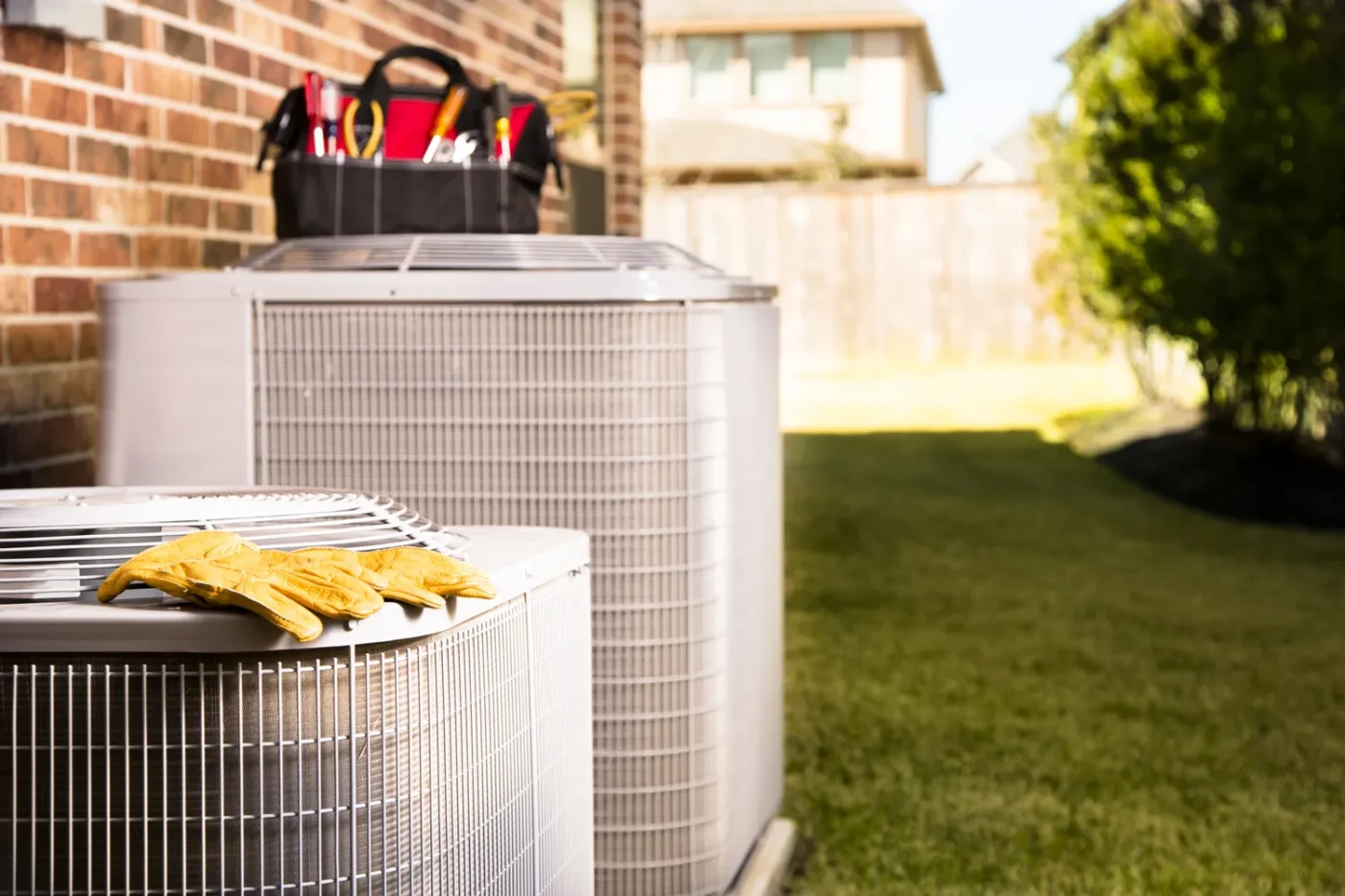
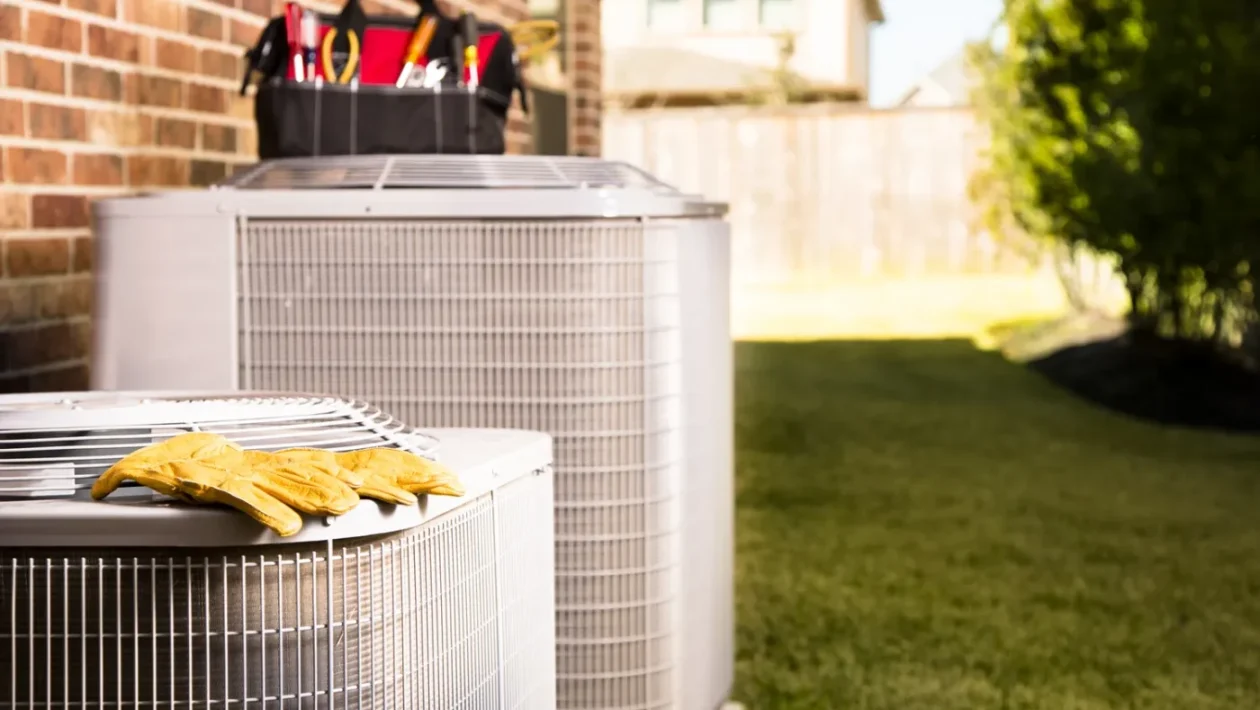
An outdoor central air conditioning unit positioned next to a residential home.
The Golden Rule: Swap Your Filter
If you do nothing else before the hottest week of the year arrives, change your air filter.
A clogged filter severely restricts airflow. This forces your system to work significantly harder to cool your home, driving up utility bills and putting immense strain on the internal hardware.
Ignoring this quick fix can trigger a cascade of expensive mechanical failures. The extra strain routinely causes system overheating, burned-out blower motors, and frozen evaporator coils.
Beyond the mechanical risks, a dirty filter actively compromises your home’s indoor air quality by circulating trapped dust and aggravating summer allergies.
The Replacement Timeline
The standard industry advice is to replace your air filter every one to three months. However, your home’s specific environment dictates the actual timeline.
Homes with multiple shedding pets, like dogs and cats, require much more frequent filter changes. External factors like heavy pollen, local smog, and constant day-and-night AC usage also accelerate how fast a filter degrades.
If you are unsure whether your filter needs replacing, perform a quick visual inspection. Pull the filter out and check if the material looks fuzzy, gray, or noticeably dingy.
You can also hold the filter up to a strong light source. If light cannot easily pass through the mesh, it belongs in the trash.
Proactive Cooling Checks
Changing the filter is the most effective DIY defense against a system failure, but it cannot fix existing mechanical flaws.
If your AC system is already struggling to lower the temperature in your home, do not wait for the heatwave to arrive. Schedule a professional maintenance check immediately to resolve underlying issues before extreme weather hits.