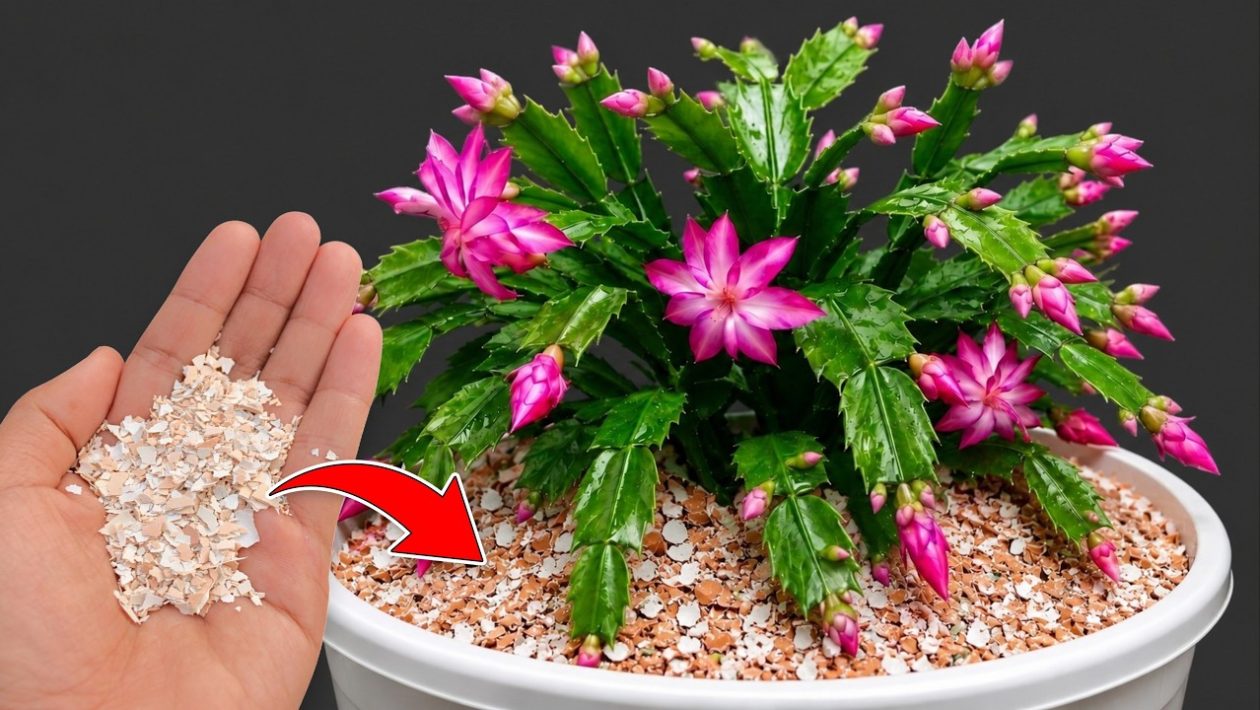
The Christmas cactus (Schlumbergera) is a holiday staple, but it is notorious for one specific frustration: the premature drop of flower buds. You wait all year for that splash of color, only to find the floor littered with shriveled, unopened buds. The secret to a successful, heavy bloom isn’t a complex chemical fertilizer—it is often about providing the right minerals at the right time.
Why Your Christmas Cactus Refuses to Bloom
Bud drop is rarely random. It is almost always a physiological response to stress. When the plant lacks the energy or the specific nutrient density required to support new growth, it aborts its flowers to save the core structure of the plant.
Common triggers include:
- Inconsistent hydration: Drying out too severely or sitting in waterlogged soil.
- Temperature fluctuations: Exposure to drafts or drastic changes in room temperature.
- Nutrient deficiencies: A lack of phosphorus and potassium, which are the engines behind flower production.
The Natural Nutrient Booster
You can improve your plant’s vitality using a simple, nutrient-dense solution prepared from everyday kitchen ingredients. By extracting minerals from organic matter and applying them as a diluted liquid, you provide the plant with an immediate, easily absorbable energy source.
The process involves steeping organic nutrients in hot water. This breaks down the components into a bioavailable liquid. Once strained and diluted with fresh water, this mixture serves as both a foliar spray and a soil drench.
Application Strategy for Maximum Results
Efficiency matters when treating indoor succulents. You aren’t just dumping water; you are delivering fuel to the roots and foliage.
1. Foliar Cleaning and Hydration
Before soil application, use a cotton pad dampened with your diluted mixture to gently wipe the stem segments. This removes dust that blocks sunlight and provides a direct path for nutrient absorption through the leaf pores. A fine misting afterward helps maintain the humidity levels these plants crave, mimicking their native tropical environment.
2. The Root Drench
Watering the soil directly ensures that the phosphorus and potassium reach the root system where energy storage occurs. When the roots are saturated with this nutrient-rich liquid, the plant has the internal resources required to push those buds to full maturity rather than shedding them.
Managing Environmental Conditions
Even with the perfect nutrient routine, environmental discipline is non-negotiable. The Christmas cactus is a “short-day” plant. It requires long periods of darkness to trigger the hormonal shift that results in flowering.
If your plant is in a room with bright lights late into the evening, it may refuse to set buds entirely. Move your cactus to a room where it can experience at least 12 to 14 hours of continuous, uninterrupted darkness each night starting in early autumn.
By pairing consistent darkness with a targeted nutrient regimen, you shift the plant from a vegetative state—where it focuses on stems and leaves—into a reproductive state. With these adjustments, you will see not only more buds but a significantly higher percentage of those buds reaching full, vibrant bloom.
Regular maintenance, such as cleaning the leaves and ensuring proper drainage, ensures the plant stays healthy long after the flowers fade, setting the stage for an even more impressive display next year.