Why Your Washer Needs a Deep Clean
Modern washing machines are wonders of engineering, but they have one major design flaw: they are prone to hidden buildup. Over time, laundry detergent residue, fabric softener, and organic matter from your clothes collect in the nooks and crannies of the drum.
If you have noticed a musty odor emanating from your machine, you aren’t imagining it. This residue creates a breeding ground for mold and bacteria, which can be transferred to your “clean” clothes. Contrary to popular belief, the soap you use to clean your garments is often the primary culprit behind this grime.
The Essential Ingredients
You do not need harsh, expensive chemical cleaners to sanitize your machine. The most effective method relies on two household staples: distilled white vinegar and baking soda. These two ingredients work in tandem to break down mineral deposits, neutralize odors, and scrub away biofilm.
- Distilled White Vinegar: The acetic acid acts as a natural disinfectant and descaling agent.
- Baking Soda: This abrasive powder helps scrub away stubborn residue left behind by detergent buildup.
The Step-by-Step Cleaning Process
To start, ensure the drum is completely empty. If you have a front-loading machine, pay special attention to the rubber gasket around the door. This area is notorious for trapping hair, lint, and standing water, making it the most likely place for mold to take root.
Wipe the gasket thoroughly with a solution of equal parts water and vinegar. Use an old toothbrush to reach into the folds of the rubber, where grime is often hidden from plain sight.
Running the Maintenance Cycle
Once you have manually cleaned the gasket and the detergent dispenser drawer, it is time to sanitize the internal components:
- Pour two cups of distilled white vinegar directly into the detergent dispenser.
- Set your washing machine to its hottest cycle—ideally “Sanitize” or “Heavy Duty”—and run the machine while empty.
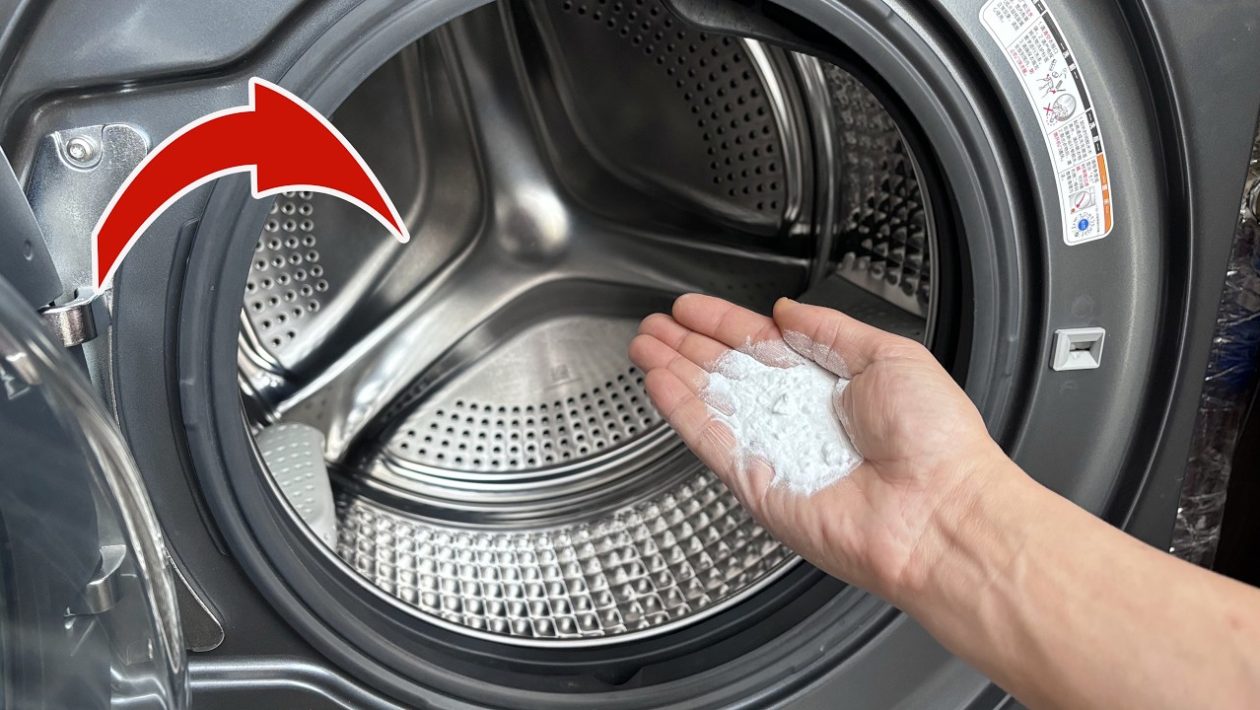
- Once the cycle finishes, sprinkle half a cup of baking soda directly into the drum.
- Run a second hot cycle. The baking soda will neutralize any remaining acidity and scrub the walls of the stainless steel drum.
Preventative Maintenance Tips
Cleaning is only half the battle. To keep your machine functioning like new and smelling fresh, adjust your daily habits. Detergent manufacturers often suggest using far more soap than is actually necessary for a standard load. Excessive soap is the leading cause of buildup.
Furthermore, always leave your washing machine door slightly ajar after a cycle. This allows air to circulate, preventing the moisture buildup that mold requires to survive. By adopting these simple habits, you can extend the lifespan of your appliance and ensure your laundry remains truly sanitary.