The Ultimate Household Detailer
Most drivers drain their wallets on specialty automotive cleaning products, unaware that a gallon of white vinegar—usually found in the pantry for under $5—can outperform expensive, chemical-heavy alternatives. Vinegar is a mild acid, making it a powerhouse for breaking down mineral deposits, grime, and oxidation.
When used correctly, it is safe for most exterior and interior car surfaces. Here are 15 proven ways to keep your vehicle in top shape without the premium price tag.
Exterior Maintenance and Restoration
- Dissolve Hard Water Spots: Mineral deposits from sprinklers can etch into your clear coat. Spray a 50/50 mix of vinegar and distilled water on the area, let it sit for a minute, and wipe clean.
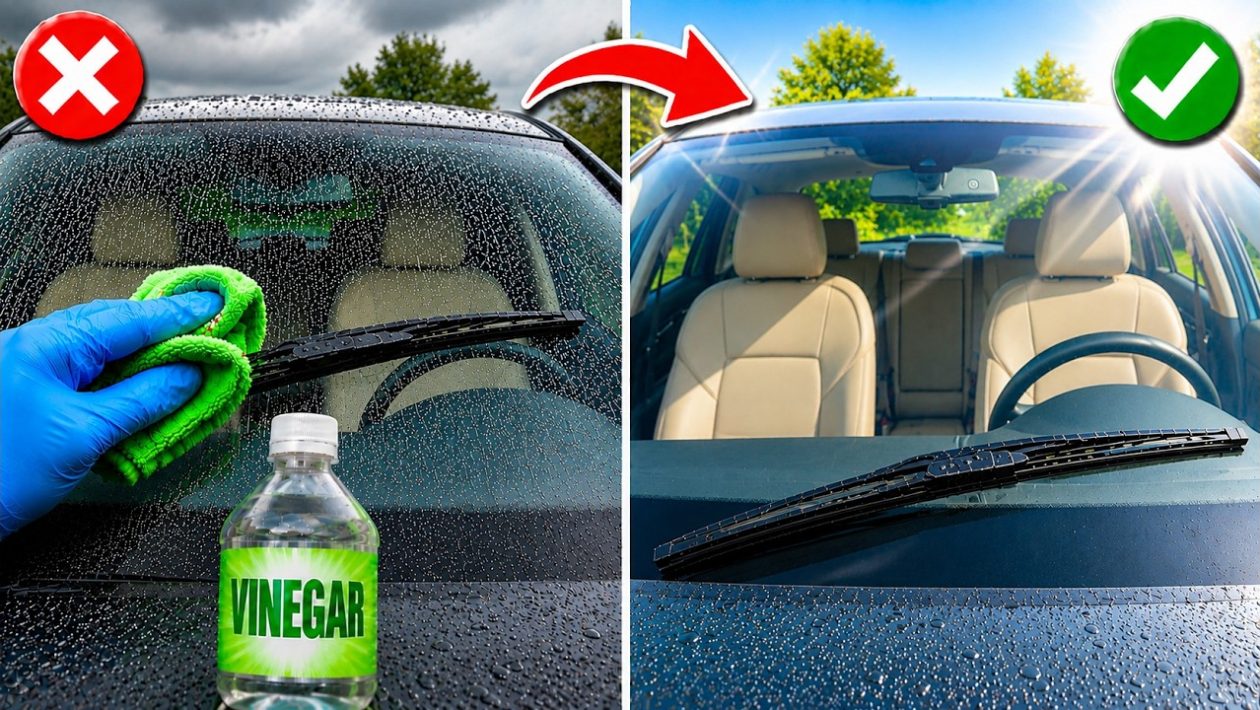
- Deep Clean Windshields: Vinegar cuts through road film and bug splatter better than most ammonia-based glass cleaners.
- Prevent Winter Frost: Before a freeze, coat your windshield with a 3:1 mixture of vinegar and water. It lowers the freezing point of moisture on the glass, making morning de-icing significantly easier.
- Restore Plastic Trim: Faded, grey exterior trim can be brought back to life. Clean the surface thoroughly, then use a light vinegar wipe-down to remove residue before applying a UV protectant.
- Clean Wiper Blades: Road grime causes streaking. Wipe your rubber blades with a vinegar-soaked cloth to restore a clean, streak-free contact with your windshield.
- De-Ice Locks: If your physical key locks freeze, a quick dab of vinegar can help melt the ice and lubricate the mechanism.
Interior Care and Odor Control
- Remove Upholstery Stains: For salt stains or light organic spills on floor mats, scrub gently with a diluted vinegar solution.
- Neutralize Interior Odors: If your car smells like damp gym bags or old food, place a small open container of white vinegar in the vehicle overnight. It absorbs odors rather than masking them with artificial scents.
- Wipe Down Dashboards: Diluted vinegar is excellent for removing dust and nicotine film from hard plastic surfaces without leaving a sticky residue.
Under the Hood and Beyond
- Clean Battery Terminals: Corrosion on battery terminals causes starting issues. A mix of vinegar and baking soda will fizz and neutralize the white, crusty acid buildup. Always disconnect the battery first and brush the solution away carefully.
- Clear Clogged Washer Jets: If your windshield washer fluid isn’t spraying properly, the nozzles may be clogged with mineral deposits. Use a needle to clear the tip, then run a vinegar-heavy mixture through the reservoir system to dissolve internal blockages.
- Remove Bumper Stickers: The acid in vinegar helps soften the adhesive of old stickers or decals. Saturate the sticker, let it sit for ten minutes, and peel it off cleanly.
- Clean Chrome Details: Buff your chrome exhaust tips or trim with a vinegar-dampened microfiber cloth to restore a mirror-like shine.
- Tackle Salt Residue: If you live in a region that uses road salt, regular vinegar rinses on your undercarriage and floor mats help prevent long-term corrosion.
- Clean Microfiber Towels: If your car detailing towels become stiff or waxy, wash them with a cup of white vinegar to break down trapped wax and sealant residue.
Safety and Best Practices
While vinegar is versatile, it is still an acid. Never use it on natural stone (if your car has custom interior work) and avoid soaking sensitive electronic components. Always test a small, inconspicuous area first, especially on tinted windows or specialized interior coatings.
For the best results, always pair your vinegar cleaning with a fresh microfiber towel to avoid cross-contaminating surfaces with dirt or grit. By switching to these basic household methods, you can avoid the “automotive tax” on cleaning supplies while achieving a professional-grade finish.