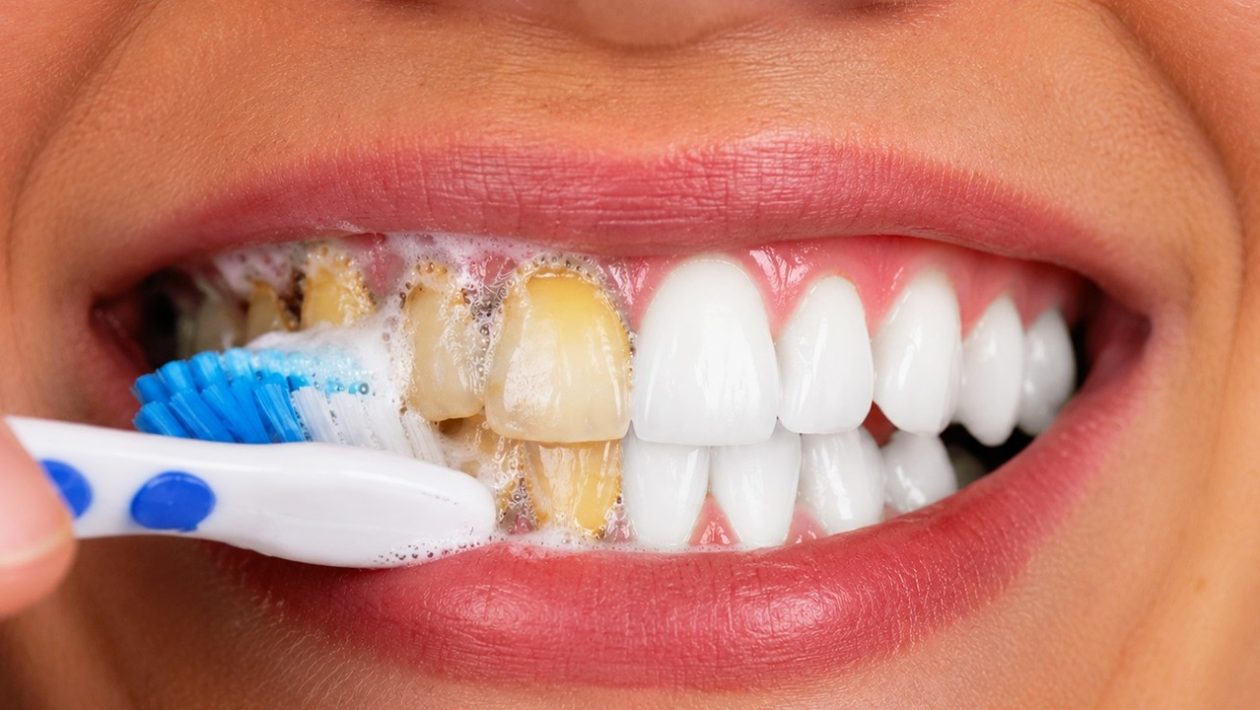
The Reality of Rapid Teeth Whitening
A brighter smile is one of the most sought-after aesthetic goals, but many people are deterred by the high cost of dental office procedures. While professional treatments are effective, they are not the only way to remove surface stains and improve your brightness.
Achieving results at home requires a balance between speed and enamel safety. Most “five-minute” fixes focus on stain removal rather than deep chemical bleaching. Understanding the difference between these two approaches is critical for protecting your dental health.
Surface Stain Removal: The Immediate Fix
Most rapid whitening techniques rely on mechanical abrasion. This involves gently lifting the tea, coffee, and wine stains that cling to the outer layer of your teeth, known as the pellicle film.
- High-Quality Whitening Toothpastes: Look for products containing silica or calcium carbonate. These act as mild abrasives that scrub away debris without damaging the enamel.
- Manual Polishing: Specialized dental sponges or micro-fiber pads designed for teeth can physically lift discoloration in minutes. Use these sparingly to avoid wearing down the tooth structure.
Chemical Whitening: The Deep Clean
If you want to move beyond surface stains, you need a chemical agent. Hydrogen peroxide and carbamide peroxide are the industry standards for whitening because they penetrate the enamel to break down organic pigment molecules.
For at-home use, whitening strips are the most efficient delivery system. They hold the peroxide gel against the tooth surface long enough for the oxidation process to occur. While these take more than five minutes to activate, they provide the most noticeable color shift over a series of applications.
What to Avoid for Enamel Safety
The internet is full of “quick” DIY hacks that can cause permanent damage. Avoid these common traps:
- Baking Soda and Lemon Juice: The acid in lemon juice erodes enamel, while baking soda is often too abrasive. Once enamel is gone, it does not grow back.
- Activated Charcoal: While popular, charcoal is abrasive. Many dentists warn that long-term use can create microscopic scratches on the teeth, which actually trap more stains over time.
- Hydrogen Peroxide Rinses: High-concentration rinses can cause chemical burns on your gums. Always stick to products formulated specifically for dental use.
Maintaining Your Results
Whitening is not a permanent state; it is a maintenance routine. The most effective way to keep your teeth white is to limit the “staining culprits” that hit your teeth throughout the day.
If you consume coffee, tea, or dark berries, try drinking through a straw. Alternatively, rinse your mouth with plain water immediately after consumption. This neutralizes the pH levels in your mouth and prevents dark pigments from settling into the porous surface of your teeth.
Consistency beats intensity every time. Rather than attempting a harsh, one-time deep clean that leaves your teeth sensitive and painful, opt for a gentle, daily maintenance routine. Your enamel will thank you, and your smile will remain consistently bright.