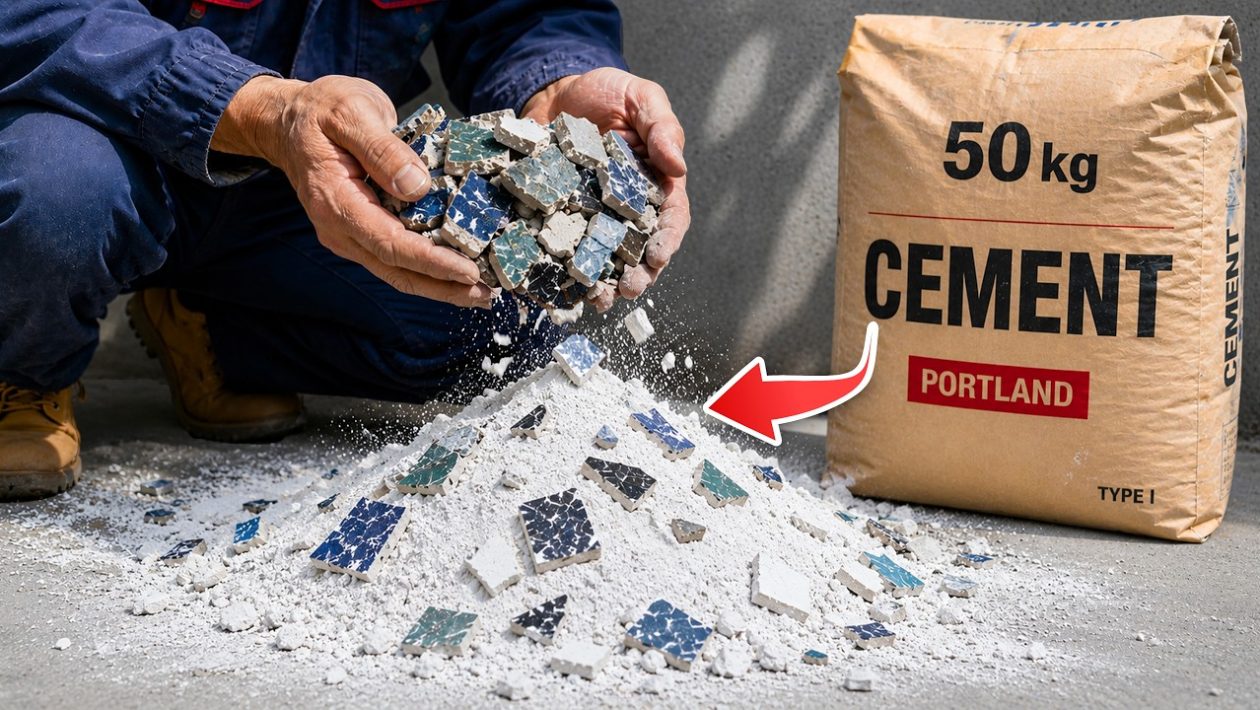
Beyond the Basics: Why Cement is the Ultimate DIY Medium
Cement is often relegated to heavy-duty construction, but it is one of the most versatile materials available for home projects. When understood properly, it transforms from a messy, gray powder into a sleek, durable medium for furniture, decor, and structural repair.
The key to successful concrete work isn’t just following a recipe; it is understanding the chemistry of the mix and the physics of the pour. Once you master these fundamental principles, the limitations of your projects disappear.
Choosing the Right Mix for the Job
Not all cement products are created equal. For high-traffic areas or structural supports, you need a high-strength concrete mix that includes aggregate (sand and gravel) to prevent cracking.
For fine art, intricate garden statues, or tabletops, consider a “topping mix” or a sand-only cement mixture. These allow for a smoother finish and can capture fine details from silicone molds without the interference of larger stone pebbles.
The Golden Ratio: Water and Curing
The most common mistake amateur builders make is adding too much water. Excess water creates “bleed” on the surface, which leads to a weak, chalky final product that is prone to crumbling.
- Use only enough water to achieve a “thick oatmeal” consistency.
- If the mixture runs like syrup, you have compromised the structural integrity of the project.
- Always mix in small batches to maintain control over the viscosity.
Curing is equally critical. Concrete does not “dry”; it cures through a chemical reaction. If it dries too quickly—due to heat or direct sunlight—it will shrink and crack. Keep your projects covered with plastic sheeting or mist them lightly with water for the first 48 hours to ensure a slow, uniform cure.
Pro-Tips for Perfect Finishes
To avoid air bubbles, which appear as unsightly voids in your finished piece, you must vibrate the mold. If you don’t have a professional vibratory table, a simple trick is to tap the sides of your mold repeatedly or run a reciprocating saw (without a blade) against the frame to rattle the air out.
Safety First
Portland cement is caustic. It reacts with moisture on your skin and can cause chemical burns, even if you don’t feel pain immediately. Always wear nitrile gloves and safety glasses when handling dry powder or wet mix. Keep a dust mask or respirator handy, as the silica dust generated during mixing is hazardous to inhale.
Expanding Your Creative Reach
Once you have the basics down, experimentation is the next step. You can use concrete pigments to change the color of the final piece or incorporate embedded materials like glass, metal, or wood for contrast. Just remember that anything you embed must be clean and free of oil, or the concrete will not bond correctly.
Whether you are casting custom planters or repairing a cracked walkway, the durability of cement is unmatched by plastic or wood alternatives. Treat the material with respect, follow the curing times, and you will produce results that last for decades.