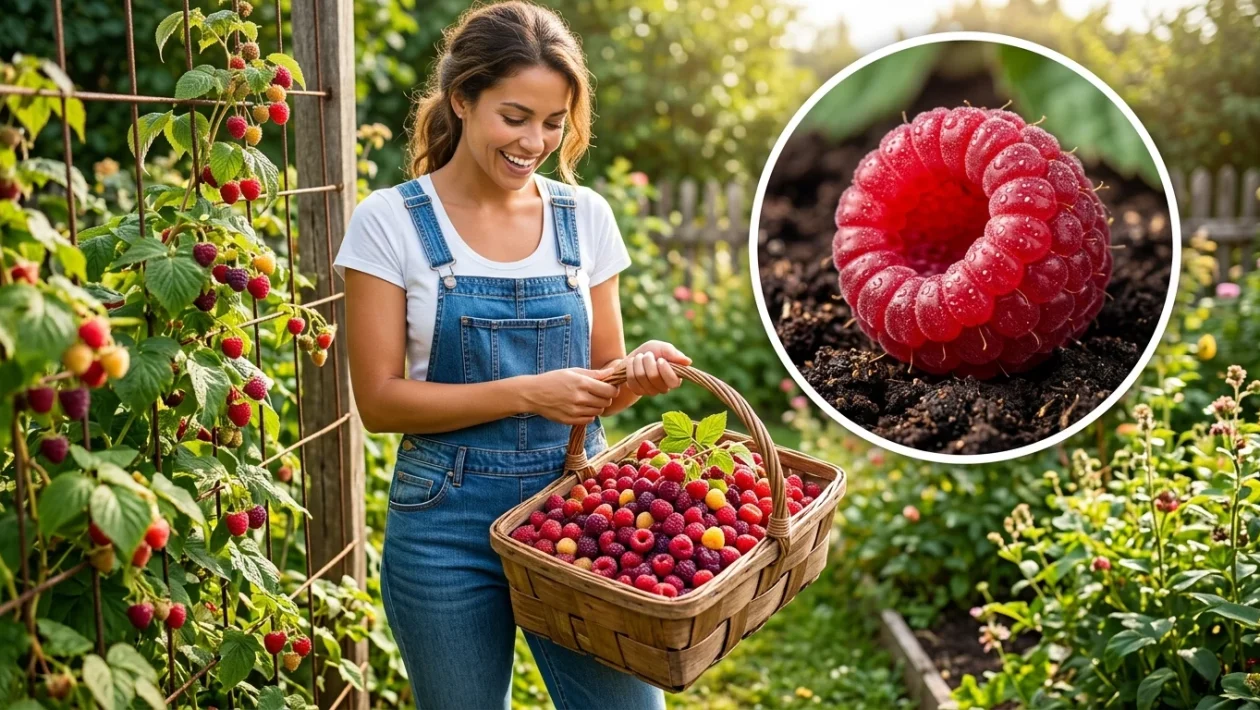
A perfectly ripe raspberry is a seasonal luxury, but you don’t need to rely on supermarket clamshells to get your fix. These plants grow on perennial canes that, with proper management, can yield heavy crops of fruit for decades.
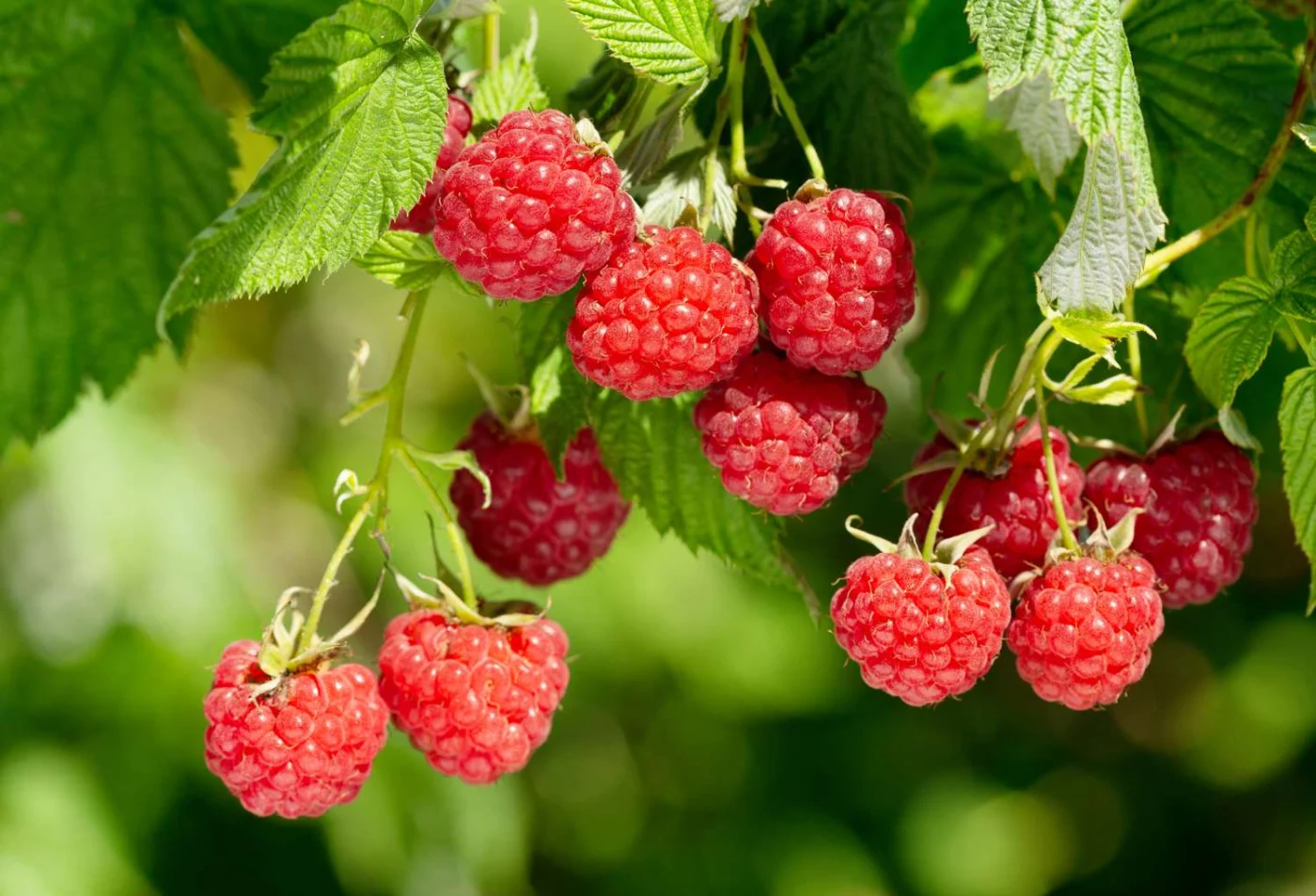
Close-up of vibrant, freshly harvested red raspberries hanging from a lush green bush.
Establishing a permanent berry patch requires strategic variety selection, strict soil preparation, and disciplined pruning. Here is exactly how agricultural experts manage their harvests.
When to Put Canes in the Ground
Planting schedules depend entirely on your growing zone and the format of the plant you purchase. Gary Gao, an extension specialist at The Ohio State University, advises planting dormant bare-root canes in May and June.
Gardeners should wait until after Mother’s Day, ensuring the ground is no longer saturated with spring rains. Container-grown raspberry plants offer far more flexibility. You can plant them at any point during the growing season, provided they receive consistent watering.
Understanding Primocane and Floricane Varieties
Raspberries are categorized by their specific fruiting schedules. Dale Ila Riggs, owner of The Berry Patch, breaks them down into two distinct groups: summer-bearing and everbearing.
Summer-bearing, or floricane, varieties develop green canes one year and yield a single, heavy crop the following summer. Everbearing, or primocane, varieties produce fruit on first-year canes. These typically deliver a late-summer harvest that stretches deep into the fall.
Planting a mix of both types guarantees a prolonged harvest window and a wider spectrum of flavors. Varieties are available in traditional red, as well as yellow, purple, and black.

A cluster of fresh berries ripening on the branch under the summer sun.
A handful of freshly picked summer berries ready for storage or immediate consumption.
Soil Preparation and Spacing Tactics
Raspberries demand fertile, slightly acidic soil with a pH hovering between 5.5 and 6.5. Gao stresses the absolute necessity of well-draining dirt.
Incorporating organic compost builds vital nutrients, while a top layer of mulch helps regulate soil temperature and retain moisture. If your yard suffers from heavy clay or poor drainage, Riggs advises utilizing raised beds to prevent root rot.
Site selection is critical. Choose a location that receives six to eight hours of direct, unobstructed sunlight. Space your canes 18 to 24 inches apart within the row, leaving a massive eight to 10 feet of walking space between rows.
Plant bare-root canes at the exact depth of their original nursery soil line. Installing a wire trellis system immediately at planting will keep future growth upright, making maintenance significantly easier.
Strict Pruning and Maintenance
Maintain consistent soil moisture throughout the summer without waterlogging the root system. Apply a balanced fertilizer or fresh compost every spring and keep the surrounding dirt completely free of competitive weeds.
To guarantee airflow and simplify picking, you must strictly contain your raspberry rows. Riggs recommends cutting back any new canes that wander beyond an 18-inch-wide footprint.
After the harvest wraps up, prune out the old, fruited canes from summer-bearing varieties. This aggressive clearing drives energy into new, healthy growth for the following year.
The Morning Harvest Protocol
A perfectly ripe raspberry advertises itself through deep, uniform color and easy detachment. The berry should slip off its core with zero resistance.
“If you have to tug at it to harvest it, it’s not yet ready. Leave it one more day,” Riggs says. Work gently from the top of the cluster downward to avoid damaging surrounding fruit.
Pick berries in the cool morning hours to avoid heat-induced bruising. Check the patch every few days during peak season, as ripe fruit spoils rapidly on the cane.
Gao advises placing the harvested fruit directly into shallow containers to prevent crushing the bottom layer. “They should be cooled, consumed, or frozen quickly,” he notes.
When planted in the right location and aggressively maintained, a single raspberry patch provides an incredible return on investment. According to Riggs, several active plants at The Berry Patch have been yielding heavy crops for over 20 years.