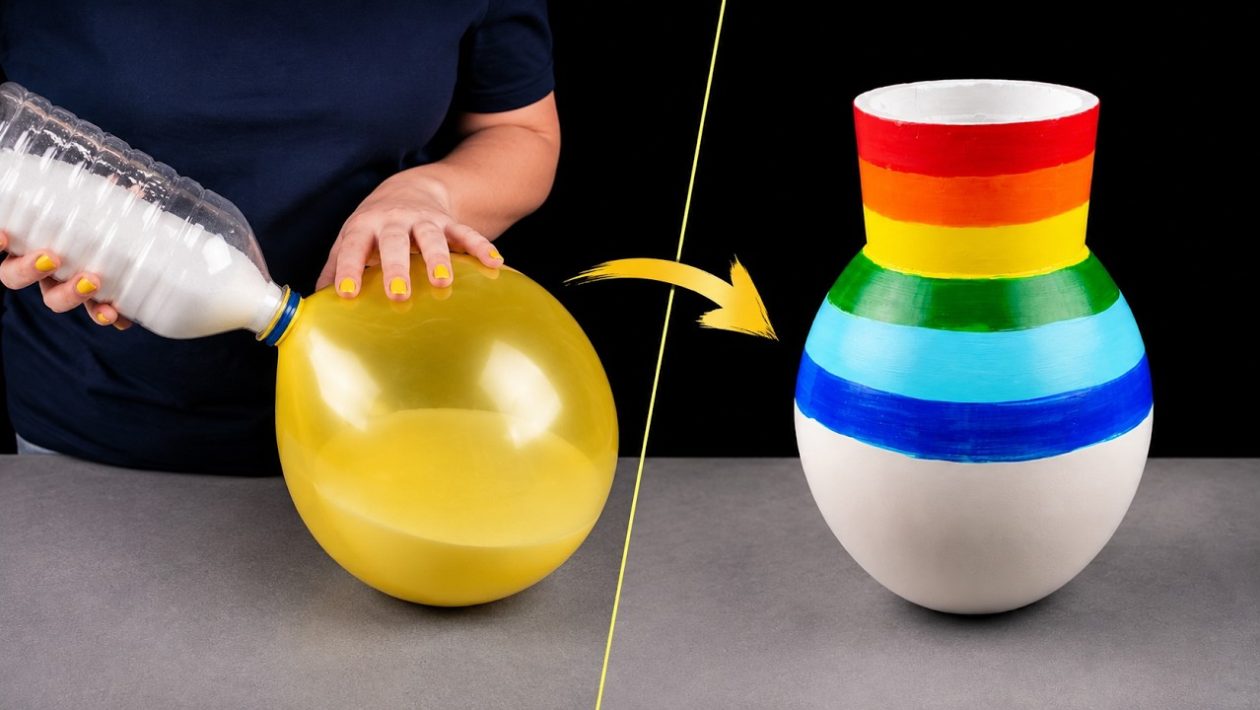
The secret to a successful home-based business often lies in transforming inexpensive, everyday materials into high-end statement pieces. One of the most effective ways to achieve this is by pairing basic construction materials like plaster and PVA glue with common household items like balloons.
The process is surprisingly straightforward and allows for a scalable production model, as evidenced by the consistent sell-through of these unique, hand-crafted rainbow vases.
The Core Materials
You don’t need a professional studio or expensive equipment to get started. The foundation of this project relies on a few key components:
- High-quality plaster: The structural backbone of your design.
- PVA glue: Essential for adding durability and flexibility to the mix.
- Balloons: Acting as the temporary mold for the organic, curved shape of the vases.
- Precision tools: A rotary tool (such as a Dremel) for refining edges and achieving a professional finish.
Refining the Production Process
Achieving a high-end look requires more than just pouring plaster. Success in the craft market depends on the final tactile quality of the product. Once the plaster has cured around the inflated balloon, the balloon is removed, revealing a raw, structural shell.
The professional edge comes during the post-processing phase. Using a rotary tool to sand down imperfections and a high-quality sanding sponge to create a smooth, porcelain-like finish is non-negotiable. This step elevates the piece from “homemade craft” to “designer decor.”
Maximizing Market Appeal
The shift toward vibrant, colorful aesthetics—specifically the rainbow gradient—has made these pieces highly sought after. Painting is the stage where you define your brand identity. By using high-quality acrylics and sealing them with a water-resistant varnish, you ensure the product is not only beautiful but functional and durable for the end consumer.
Consistency is key when you intend to sell your work. By mastering a specific shape or technique, you can batch-produce items, keeping your labor costs low while maintaining a high perceived value. Creating fifteen pieces and selling them quickly demonstrates that there is a genuine market for artisanal, one-of-a-kind home accessories.
Scalability for the Home Entrepreneur
One of the biggest hurdles in DIY business is space. Because this method uses simple molds and does not require a kiln or large-scale machinery, it is highly portable. You can produce a small batch in a kitchen or garage setting without significant overhead costs.
Focusing on the “handmade” aspect of your marketing is vital. Collectors and home decor enthusiasts value the slight variations that come with manual craftsmanship. As long as the structural integrity and the finish meet professional standards, the aesthetic appeal of a custom plaster piece can easily command a premium price point compared to mass-produced decor.
Ultimately, the transition from hobbyist to seller is a matter of refining your technique and understanding what the current interior design market demands. With a few basic supplies and a commitment to detail, you can turn a humble mixture of plaster and glue into a consistent revenue stream.