Why Your Key Fob Stops Working
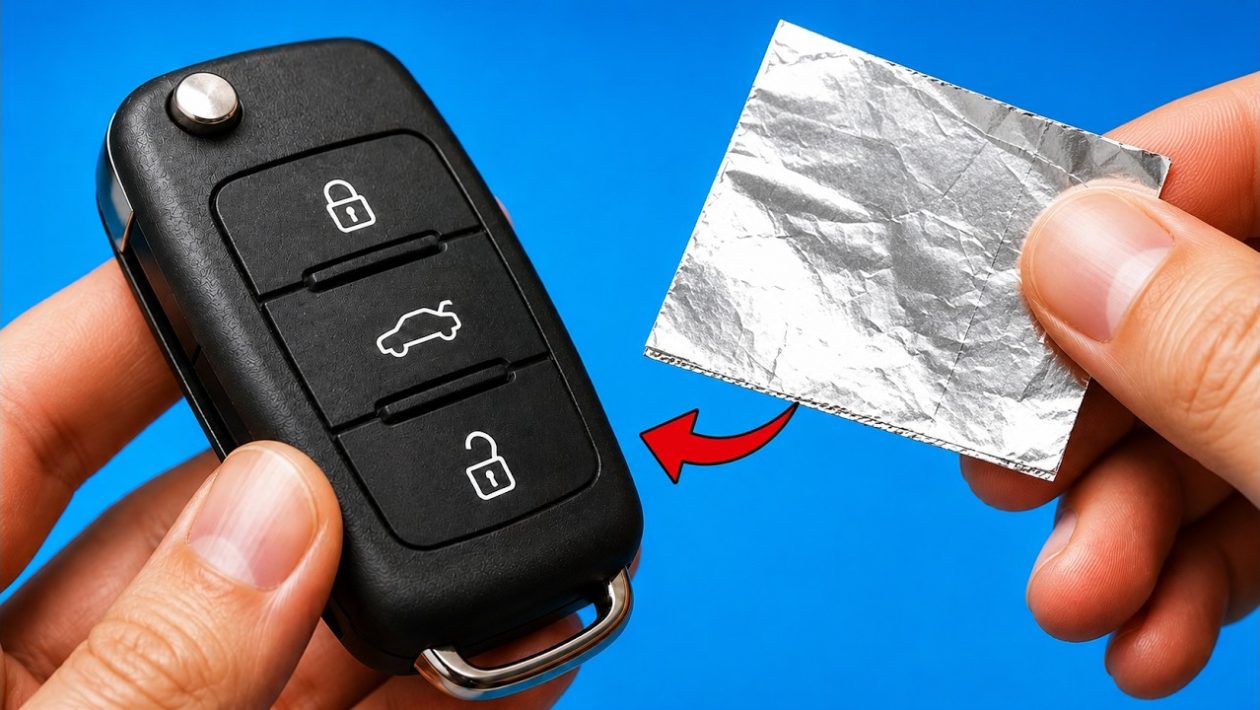
Few things are as frustrating as walking up to your car, pressing the unlock button, and receiving absolutely no response. While many drivers immediately assume the remote is broken or the vehicle’s receiver is shot, the reality is usually much simpler.
Most modern key fobs fail due to two primary culprits: a depleted coin-cell battery or accumulated internal debris. Before heading to a dealership—where you could be charged upwards of $200 for a replacement unit and programming fees—you can troubleshoot the issue yourself in minutes.
Step 1: The Battery Check
The most common cause of a “dead” remote is a battery that has simply reached the end of its lifespan. These small lithium coin cells typically last three to five years.
To verify this, use a flat-head screwdriver or a thin coin to gently pry open the seam of your fob casing. Once opened, inspect the battery. If the voltage has dropped, the signal strength will be insufficient to trigger your car’s lock actuators.
Most key fobs use standard CR2032 or CR2025 batteries. These are available at any local pharmacy, hardware store, or big-box retailer for just a few dollars. Always match the number stamped on the old battery to the new one.
Step 2: Cleaning the Internal Contacts
If swapping the battery doesn’t restore function, look at the circuit board. Over time, dust, lint, and moisture can infiltrate the fob casing and settle on the gold-plated contact points.
This buildup acts as an insulator, preventing the button press from completing the electrical circuit. Here is the professional way to clean it:
- Remove the circuit board carefully from the plastic housing.
- Use a cotton swab lightly dampened with high-percentage isopropyl alcohol (90% or higher).
- Gently wipe the rubber button pads and the corresponding metal contacts on the board.
- Allow the board to air-dry completely before reassembling.
Step 3: Checking the Micro-Switches
If the remote still fails to lock or unlock the doors, the physical micro-switches soldered onto the board may be failing. These tiny buttons can break loose from the circuit board if the fob has been dropped repeatedly.
Inspect the board under a bright light. If you notice a switch that looks crooked or has a loose metal leg, it has likely detached from the soldering point. While this requires a steady hand and a soldering iron to fix, it is still a repairable issue for those comfortable with basic electronics.
When to Consult a Professional
If you have replaced the battery, cleaned the contacts, and ensured the physical switches are intact but the remote still won’t sync, you may have an issue with the key’s internal transponder chip or the vehicle’s receiver module.
At this stage, you may need a specialized automotive locksmith. They can often program a new key for significantly less than a dealership. Always ensure the locksmith is insured and verified before handing over your car’s security information.
By performing this simple diagnostic process first, you avoid unnecessary expenses and get back on the road with the tools you already have at home.