Dryer balls are rapidly replacing traditional, single-use dryer sheets in laundry rooms across the country. These simple spheres promise to reduce static, prevent fabric clumping, and lower energy bills by cutting down drying time.
Wool dryer balls sitting on top of a stack of clean towels.
How the Mechanics Actually Work
Most dryer balls are crafted from tightly compressed wool, though rubber and plastic variants exist. You toss them into the machine with wet laundry, and as the drum spins, the balls bounce between garments, forcing fabrics apart.
This constant physical separation prevents heavy items like towels and sheets from rolling into a damp, wrinkled mass. The increased airflow allows warm air to circulate freely around every individual item.
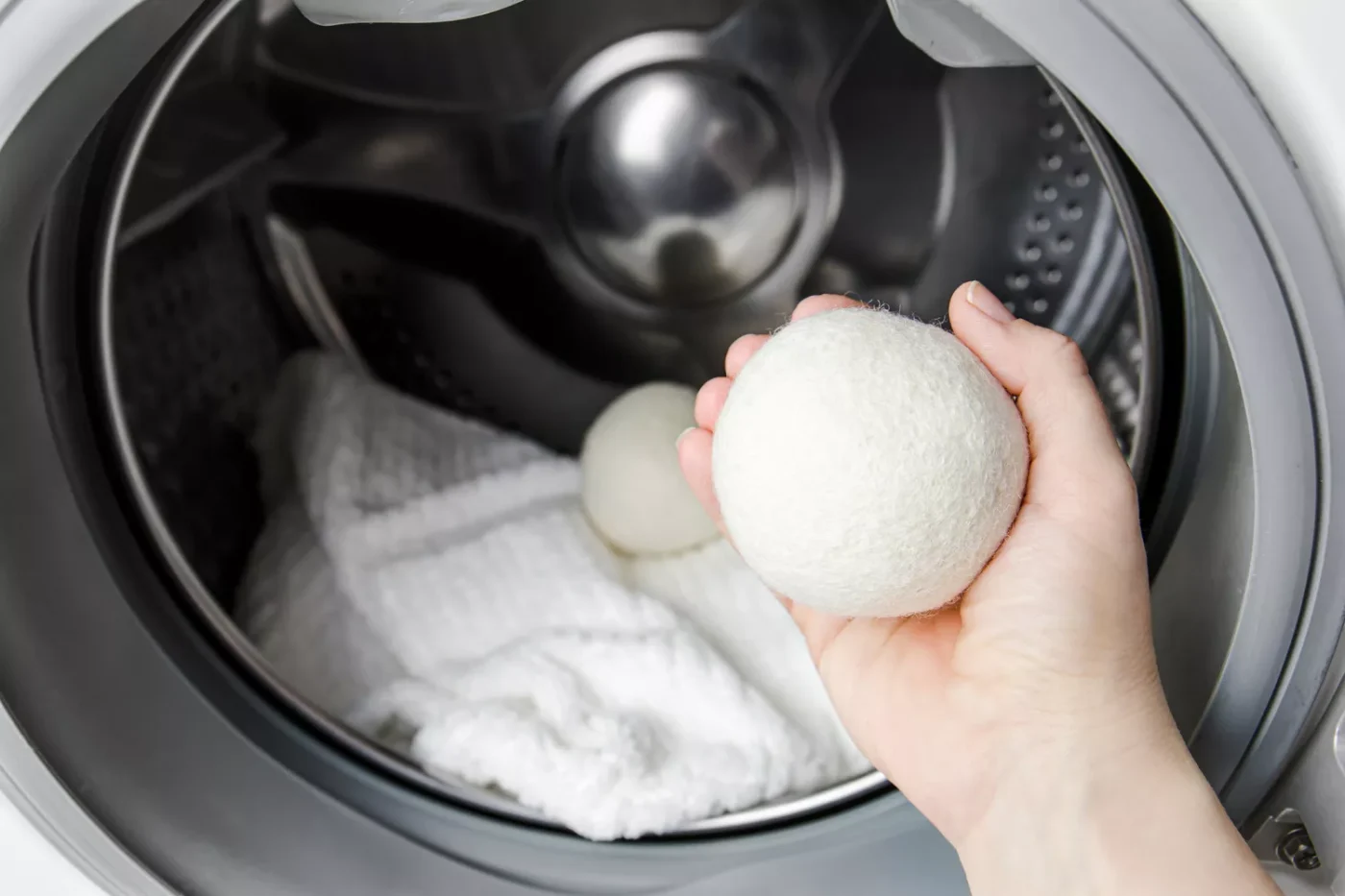
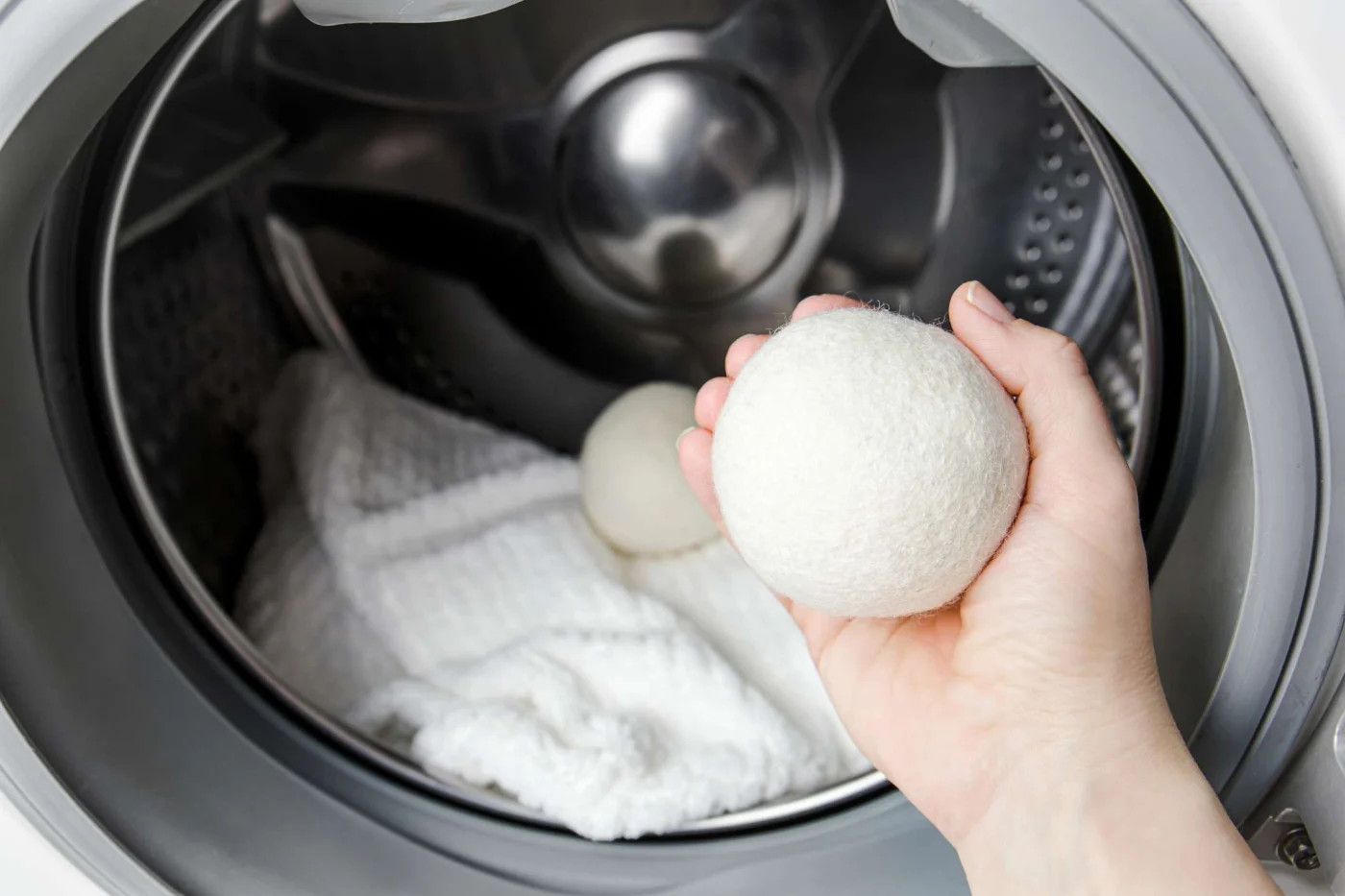
Close-up of a textured wool dryer ball.
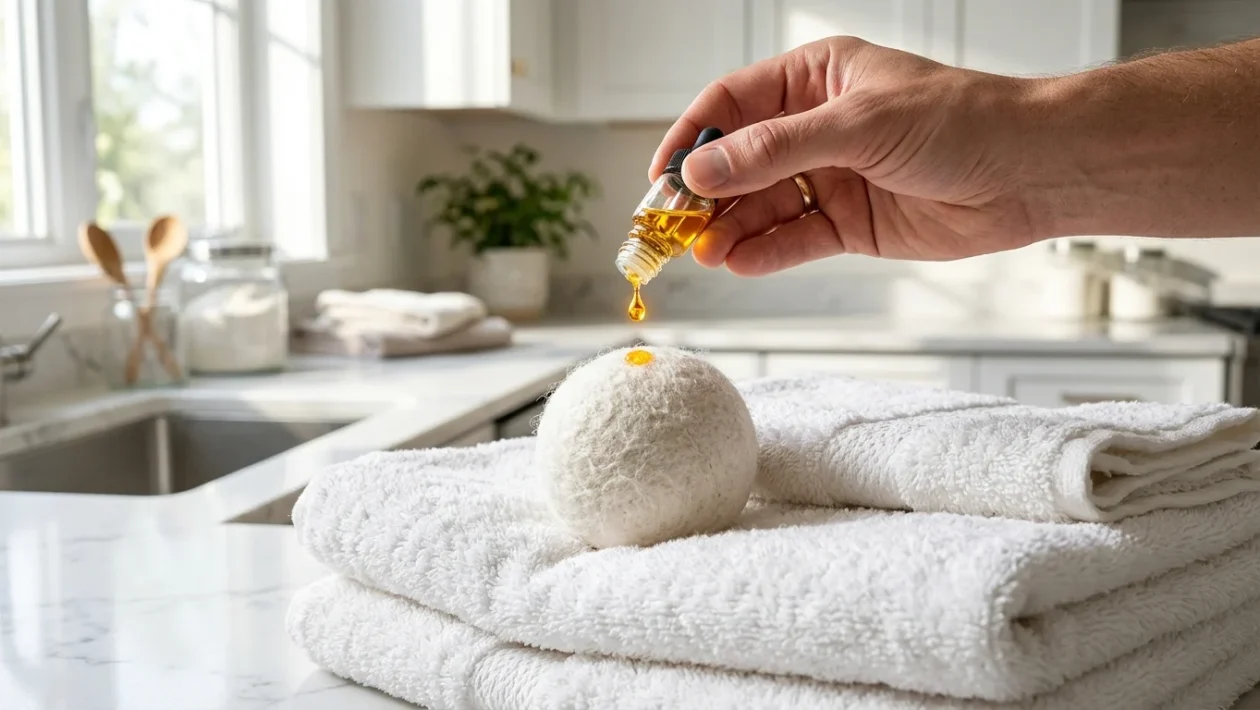
Wool models offer a secondary advantage by actively absorbing moisture from the wet load. If you miss the classic laundry scent of traditional sheets, you can add a few drops of essential oil directly to the wool before hitting start.
The Real Benefits: Time, Money, and Fabric Health
The primary appeal of these laundry tools is efficiency. By separating fabrics and improving hot air circulation, dryer balls can cut drying time dramatically—sometimes by up to half.
Less time in the machine means less wear and tear on your clothes. Limiting prolonged exposure to high heat helps garments maintain their shape and structural integrity, saving you money on wardrobe replacements.
A set of reusable dryer balls tumbling inside a machine drum.
Financially, they eliminate the need to constantly buy single-use sheets. A good set of wool balls easily lasts for hundreds, sometimes thousands, of loads.
They also naturally soften garments without harsh chemicals. The gentle friction of the balls bouncing against fabrics fluffs the material, avoiding the waxy residue commonly left behind by liquid softeners. When wool balls eventually reach the end of their lifespan, they are fully biodegradable and can be composted.
The Drawbacks You Should Know
Dryer balls are not entirely flawless. Heavy plastic or rubber balls can be incredibly dense, carrying the potential to damage the inside of your dryer drum if they hit the walls too hard.
If cheap plastic models crack under high heat, the resulting sharp edges can snag and ruin delicate fabrics. Wool balls are much safer, but they naturally degrade over time and will eventually loosen and fray.
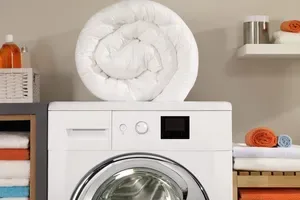
Clean laundry neatly organized in a woven basket.
Maintenance and Lifespan
You should wash your dryer balls approximately every 100 loads, or every one to two months. Toss them in the washing machine on a gentle cycle with hot water, then dry them on high heat to refresh the compressed fibers.
If you prefer, you can hand wash them in the sink using warm, soapy water. If they accumulate pet hair or lint from daily use, simply run a fabric shaver or lint roller over the surface.
Expect a quality set to last well over a year. You will know exactly when it is time to throw them out: the wool will begin to heavily shed, unravel, or break apart in your hands.
For a standard load of laundry, toss in three to four balls for maximum efficiency. Always keep the load size small to medium to allow the balls enough room to bounce and separate the fabrics effectively.