
When Canada’s forests burned at a record pace in 2023, the trees were not the primary climate culprit. The real threat was burning quietly underground.
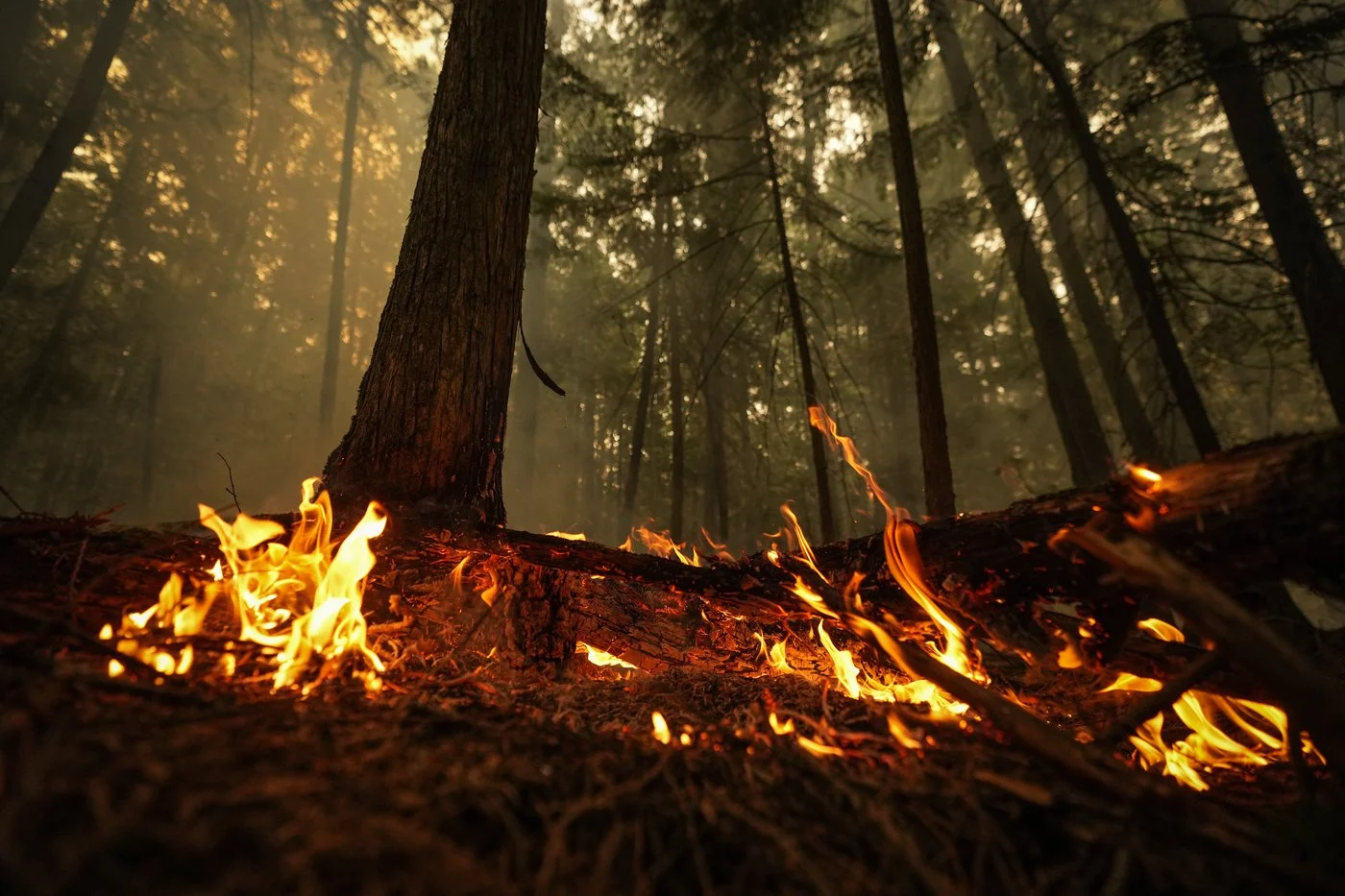
Thick smoke rising from a smoldering Canadian forest.
A new study reveals that the vast majority of carbon released during the devastating fire season came from smoldering peat and soil.
According to the research, 76 percent of the wildfire emissions originated beneath the forest floor. Trees and other aboveground vegetation accounted for less than a quarter of the total carbon release.
The Underground Carbon Bomb
This marks the first time scientists have calculated the exact breakdown of emissions from the historic 2023 disaster.
The findings expose a hidden danger in the world’s northern forests. As global temperatures rise, these ancient, carbon-rich underground deposits are drying out and becoming highly flammable.
A Vicious Climate Loop
The study, published Monday in Geophysical Research Letters, warns of an escalating and dangerous cycle.
Warming temperatures create prime conditions for massive wildfires. In turn, those intense fires burn through deep layers of peat, releasing massive amounts of greenhouse gases that drive further global warming.
The Global Stakes
The sheer scale of the threat is immense. Canada currently holds roughly 20 percent of the world’s soil organic carbon.
“As Canada stores about one‐fifth of the world’s soil organic carbon, these findings underscore the growing vulnerability of northern soil carbon stocks to intensifying wildfires, amplifying climate feedback risks,” the study authors noted.
As fire seasons grow longer and more severe, keeping that deep carbon locked in the ground will become increasingly difficult.