The Legacy of Venetian Craftsmanship
Venetian glass is not merely a material; it is a historical narrative frozen in silica and flame. For centuries, the island of Murano and the surrounding Venetian territories have served as the epicenter of glassmaking, refining techniques that blend extreme heat with human precision. This discipline requires a rare combination of physical endurance and delicate artistry.
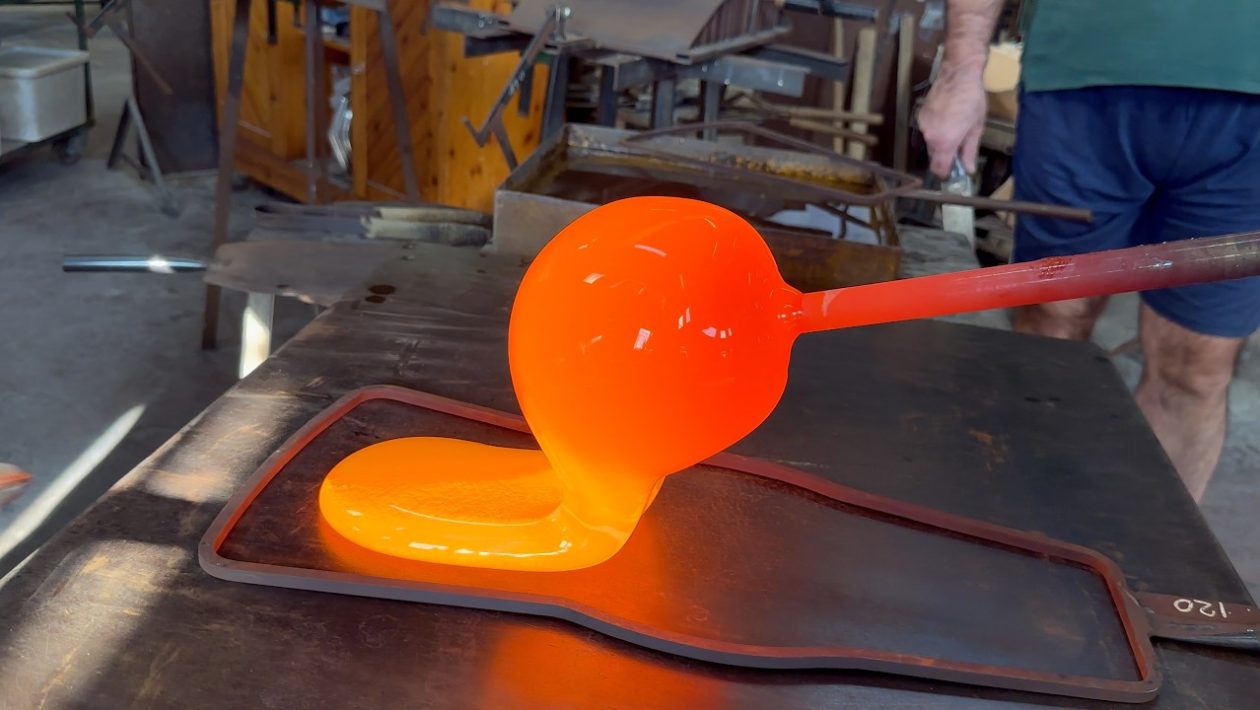
Modern artisans who carry on these traditions continue to utilize the same fundamental methods developed during the Renaissance. The process is a demanding dance with molten glass, where the craftsman must manipulate the substance before it cools and hardens. Because every piece is shaped by hand rather than by machine, each chandelier remains a singular, non-replicable work of art.
Engineering Light and Elegance
Creating a luxury glass fixture involves far more than blowing a vessel. It requires an architectural understanding of how light interacts with translucent surfaces. When crafting a chandelier, the artist must account for the refraction, diffusion, and reflection of light to ensure the finished piece creates a specific ambiance in a room.
The aesthetic goal is to balance weight and transparency. By manipulating the composition of the glass—adjusting mineral content and cooling rates—artisans can achieve a spectrum of opacities and colors. This allows for pieces that range from clear, diamond-like clarity to deep, jewel-toned saturation. These fixtures are frequently commissioned for high-end interiors, including royal palaces, historic villas, and luxury hotels, where they serve as the focal point of the architectural space.
The Disciplined Process of Creation
The transformation from raw sand and minerals to a polished, hanging masterpiece follows a rigorous, multi-stage path:
- Gathering: The master glassblower collects molten glass from the furnace using a blowpipe, carefully rotating it to maintain symmetry.
- Shaping: Using specialized wooden blocks and metal tongs, the artisan coaxes the glass into the desired form, often repeating the heating process to ensure the material remains pliable.
- Detailing: Intricate elements, such as flower petals, leaves, or ornate curves, are sculpted individually and attached to the main structure while still at a high temperature.
- Annealing: The finished piece is placed in a cooling oven, where it sits for hours or even days to slowly reach room temperature. This prevents stress fractures that could shatter the glass.
- Assembly: Individual components are cleaned, inspected, and wired together to form the final structure.
Integrating Art into Interior Design
Selecting a piece of authentic Venetian artistry is an exercise in intentional design. In contemporary spaces, these chandeliers function as a bridge between the traditional and the modern. Their presence often softens the sharp lines of modern architecture, introducing organic shapes and human-made texture into an otherwise sterile environment.
When incorporating these pieces into your own space, focus on the scale and the light quality. A piece designed with traditional flair can elevate a loft or a contemporary dining room by acting as an “anchor.” It is this contrast—between the history embedded in the glass and the modern setting in which it hangs—that gives the piece its magnetic pull.
The labor-intensive nature of this craft ensures that every chandelier is imbued with a sense of permanency. Unlike mass-produced fixtures that rely on synthetic materials, high-quality glass retains its luster for decades. Choosing to invest in this caliber of design is a commitment to keeping an ancient, soul-enriching practice alive while simultaneously defining the character of your personal environment.
For those interested in commissioning specific designs for private residences or professional spaces, clear communication regarding spatial constraints and desired lighting intensity is essential. Authentic Venetian glass artistry is designed to be lived with, transforming even the most functional room into a realm of sophistication.