A vibrant nasturtium plant with green leaves and bright flowers growing in a garden setting.
Bright nasturtium flowers growing among garden vegetables.
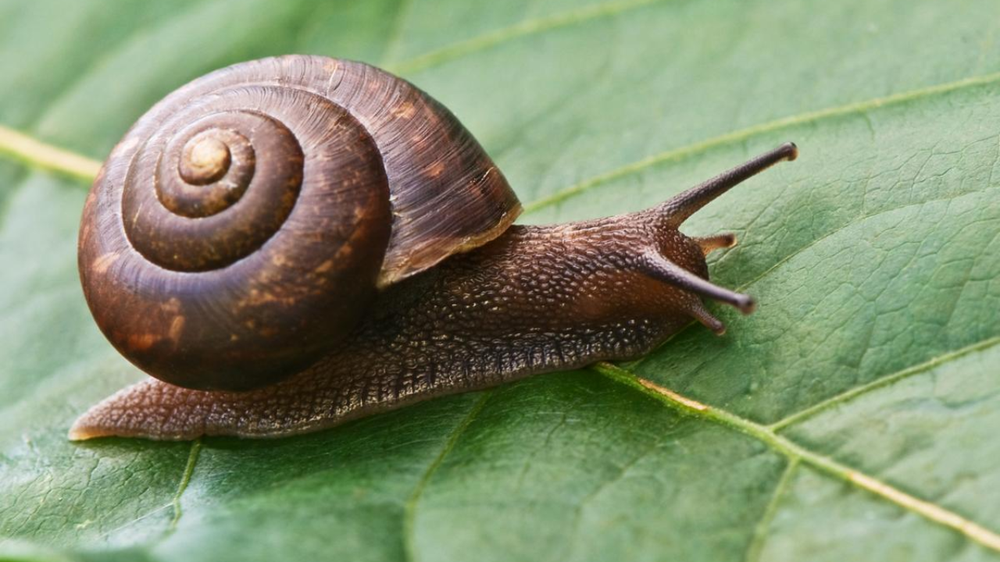
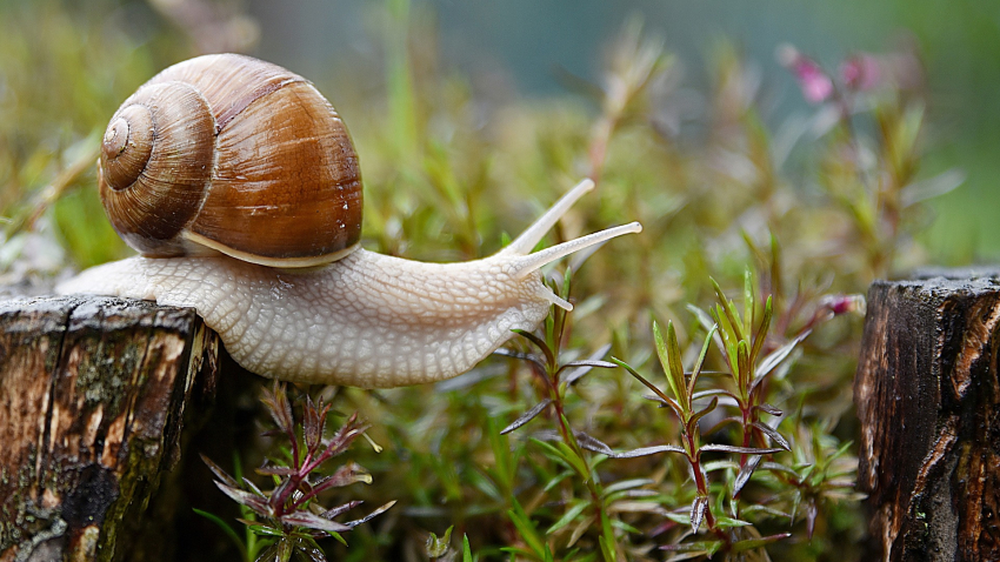
Keeping snails and slugs out of the vegetable garden often feels like a losing battle for growers. However, a natural and aesthetic solution exists: the nasturtium. This versatile plant acts as a biological barrier against pests while doubling as a gourmet ingredient and home remedy.
Lush green nasturtium leaves offering natural ground cover in a garden.
Scientifically known as Tropaeolum majus, the nasturtium originates from South America. It has quickly become an essential tool for gardeners wanting to eliminate synthetic pesticides.
The Chemical Secret Against Garden Pests
The plant’s effectiveness comes down to its unique chemical composition. Both the leaves and stems contain mustard oils, also known as glucosinolates. These compounds produce a sharp, spicy flavor that snails actively avoid, steering them away from your garden’s most tender shoots.
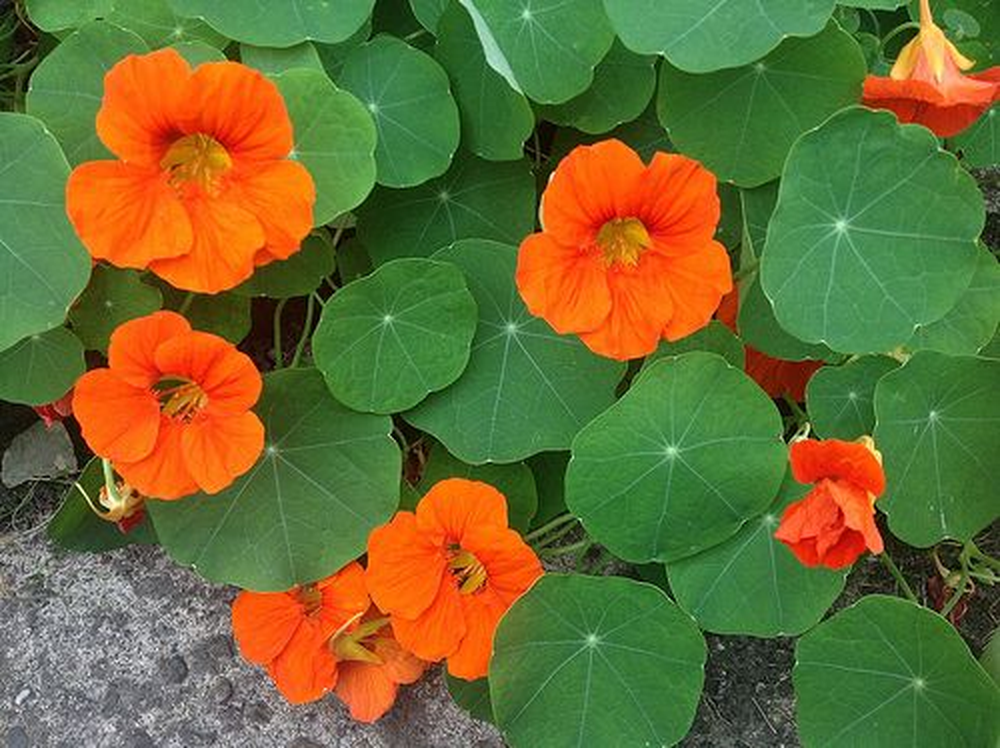
Close-up of a nasturtium flower showcasing its vibrant petals.
Experienced gardeners deploy nasturtium in two distinct ways. First, they use it as a “protection zone,” planting a perimeter around vulnerable crops to block mollusks. Alternatively, they use it as a “distraction plant.” This sacrificial strategy draws pests toward the nasturtium, leaving the primary vegetables completely untouched.
The plant is an ideal companion for tomatoes, zucchini, and potatoes. Its intense aroma confuses insects and disrupts their feeding patterns. When planted near rose bushes, nasturtium acts as an aphid magnet, pulling the parasites away from prized flowers.
From Soil to Plate: Edible Flowers and Capers
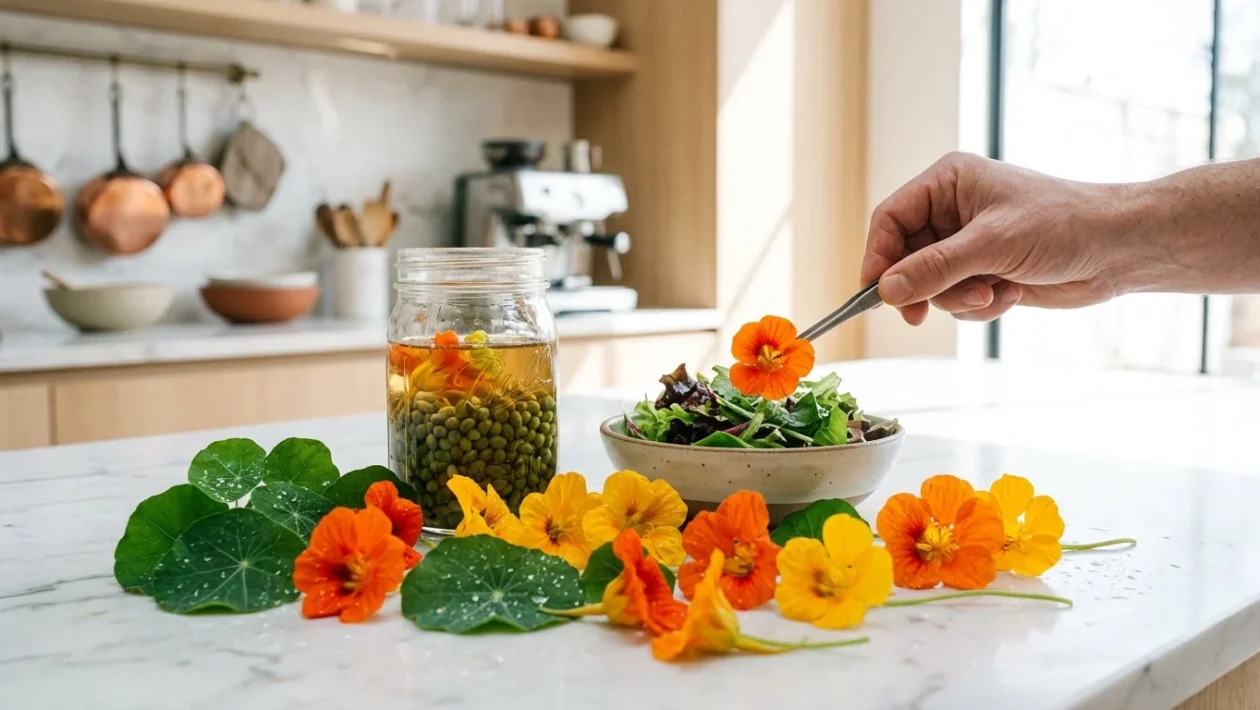
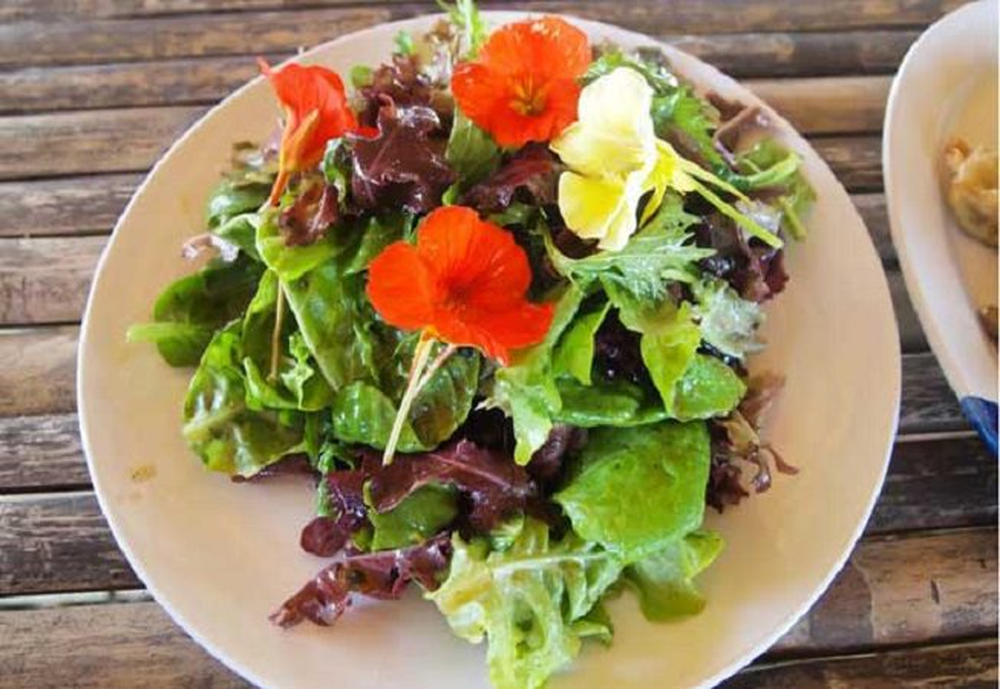
Freshly harvested nasturtium leaves and flowers prepared for a culinary dish.
Nasturtium’s utility goes far beyond pest control. The entire plant is edible and increasingly valued in modern kitchens. The leaves deliver a peppery kick similar to arugula, making them a perfect addition to salads and sandwiches.
The vibrant flowers offer a sweet and spicy flavor, instantly elevating both cold and hot dishes. A lesser-known culinary trick involves the plant’s green seeds. When harvested and preserved in vinegar, they transform into a remarkable substitute for traditional capers.
Nasturtium seeds ready to be pickled in a kitchen setting.
Beyond its culinary appeal, nasturtium offers proven medicinal benefits. Scientific studies show that its essential oils possess strong antibacterial properties. Traditionally, these oils have been used to treat mild respiratory and urinary infections.
While planting nasturtium does not guarantee a completely snail-free yard, it dramatically improves the environment’s biological balance. Integrating it into your vegetable patch provides a highly effective, sustainable alternative to dangerous chemical deterrents.