The Viral Waterproofing Trend
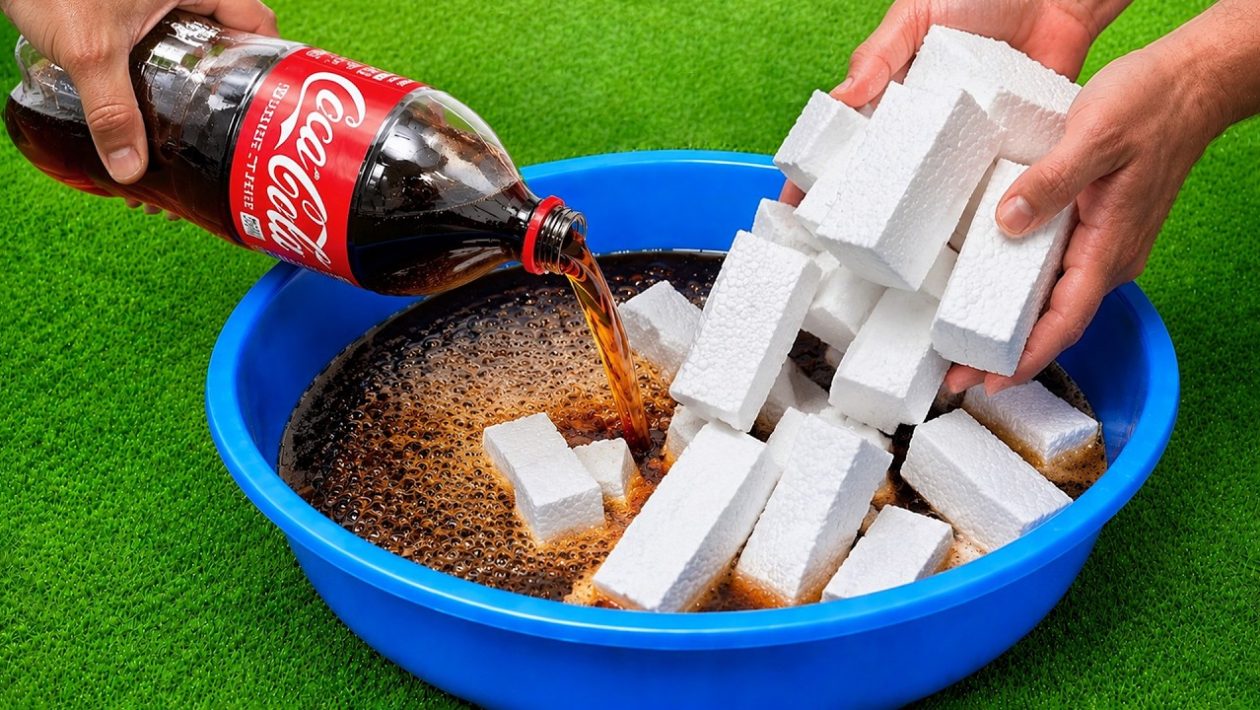
Social media feeds are flooded with demonstrations showing people pouring Coca-Cola over Styrofoam to create a thick, paint-like paste. The claim suggests this combination yields a highly effective, waterproof sealant for home repairs.
This DIY hack has captured the attention of millions looking for cheap ways to fix leaks and upcycle packaging waste. However, the visual magic often hides the real chemical process at play.
What Actually Melts Polystyrene?
Styrofoam is a trademarked name for extruded polystyrene foam, a material made of 98 percent air and 2 percent plastic. It is highly resistant to water, making it notoriously difficult to break down in landfills.
While viral clips prominently feature Coca-Cola, the soda itself does not dissolve polystyrene. The phosphoric acid and carbonation in standard soft drinks are far too weak to break the chemical bonds of the plastic.
The rapid melting effect seen in these demonstrations requires a strong solvent. To achieve the dramatic melting reaction, creators typically use pure acetone or paint thinner, often hidden off-camera or mixed directly into the bottle.
How the DIY Sealant Works
When pure acetone contacts polystyrene, it rapidly releases the trapped air inside the foam. The structure collapses instantly, and the remaining plastic dissolves completely into the solvent.
This chemical reaction leaves behind a dense, viscous liquid. Once the solvent evaporates into the air, the polystyrene hardens back into a solid, waterproof plastic coating.
Homeowners and crafters use this recycled plastic paste to seal cracked terracotta pots, patch minor roof leaks, or waterproof outdoor wood. It effectively acts as a heavy-duty, homemade liquid plastic.
Creating the Mixture Safely
If you want to create this waterproof paste at home, skip the soda and go straight to the hardware store. You will need 100 percent pure acetone, an organic solvent commonly used as heavy-duty nail polish remover or paint thinner.
Place pieces of waste Styrofoam into a glass or metal container. Never use a plastic bowl or cup, as the acetone will immediately eat through the bottom.
Slowly pour a small amount of acetone over the foam and watch it deflate. Stir the mixture with a wooden stick until it reaches the consistency of thick syrup or exterior paint.
Application and Drying Time
Apply the paste immediately to the surface you want to waterproof using a disposable brush or metal trowel. The mixture sets quickly as the acetone flashes off.
Within a few hours, the paste hardens into a rigid, impenetrable seal. It bonds exceptionally well to porous materials like concrete, unglazed ceramics, and raw wood.
Crucial Safety Warnings
Working with chemical solvents requires strict safety precautions. Acetone is highly flammable and emits strong, noxious fumes that can easily overwhelm an enclosed space.
Always mix and apply this sealant outdoors or in a heavily ventilated area. Keep all materials far away from open flames, sparks, or intense heat sources.
Wear chemical-resistant gloves and protective eyewear during the process. While upcycling packaging foam keeps it out of the trash, creating liquid plastics must be done responsibly to avoid respiratory irritation and fire hazards.