Kitchen floors face constant abuse from heavy foot traffic, cooking splatters, and dropped utensils. While hardwood and tile typically dominate modern home renovations, an overlooked contender is quietly reclaiming the spotlight.
Linoleum is making a massive comeback. It offers an unexpected blend of durability, style, and eco-friendly appeal that modern vinyl simply cannot match.
Not Your Grandmother’s Vinyl
Despite common misconceptions, genuine linoleum is entirely different from vinyl. Vinyl flooring is a synthetic plastic product, while traditional linoleum is rooted entirely in nature.
Invented in the mid-1800s, linoleum relies on natural, renewable ingredients. Manufacturers combine linseed oil, wood or cork flour, natural resins, limestone, and pigments, backing the mixture with jute or canvas.
This unique composition makes it one of the most environmentally friendly flooring options available on the market today.
The Cost of Longevity
Beyond its green credentials, linoleum boasts serious staying power. When properly maintained, these floors can last up to 40 years.
This exceptional longevity means fewer structural replacements, preserving natural resources and reducing landfill waste. It also translates to significant financial savings over the lifespan of a home.
National estimates place installed linoleum at roughly $3 to $12 per square foot, depending on the material grade and necessary subfloor preparation. In contrast, hardwood installation typically runs between $6 and $18 per square foot, while ceramic tile costs often climb much higher once skilled labor is factored in.
Modern Aesthetics and Retro Charm
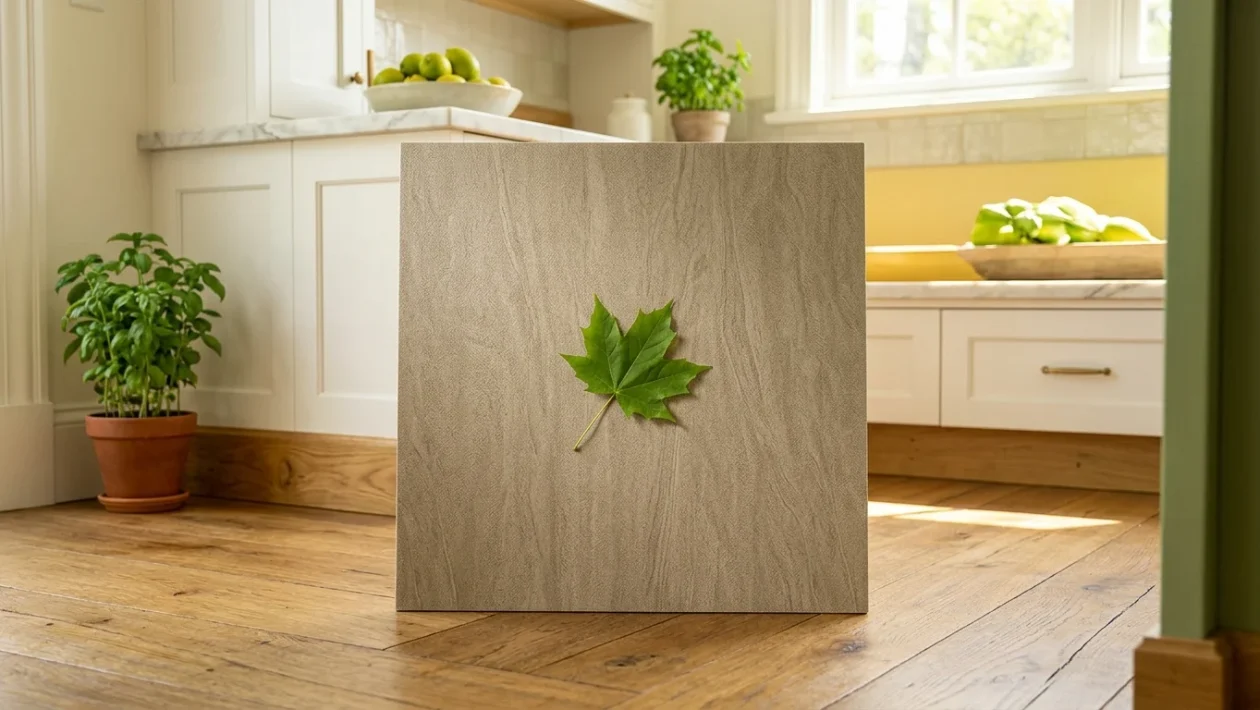
Modern kitchen interior featuring updated linoleum flooring
Historically, linoleum conjured images of dull beige sheets or faded, outdated patterns. Today’s manufacturers have completely rewritten that narrative.
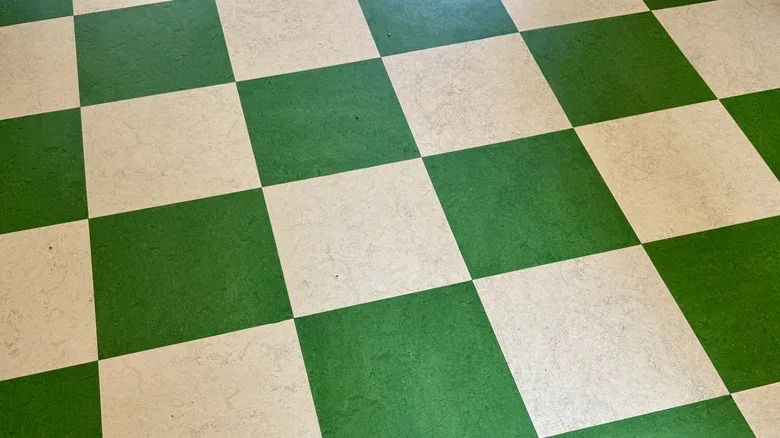
Modern linoleum collections feature intricate designs and dozens of vibrant colors. The material provides a seamless alternative to complex ceramic tile layouts, easily recreating classic retro checkerboards or sleek, contemporary borders without the visual clutter of grout lines.
Installation and Upkeep Realities
Before committing, homeowners should understand exactly how linoleum handles daily wear. The material is highly water-resistant, but it is not completely waterproof.
Professional installation and tightly finished seams are crucial to protecting both the surface flooring and the subfloor beneath it. Household spills also require prompt cleanup to prevent long-term damage.
Direct sunlight can be a factor in bright, heavily windowed kitchens. If the linoleum lacks a factory-applied UV coating, it will require periodic waxing to prevent fading and discoloration.
Even with these basic maintenance requirements, linoleum occupies a highly practical middle ground for renovations. While it costs slightly more than basic laminate, it remains significantly easier on the household budget than premium wood, ceramic, or natural stone.