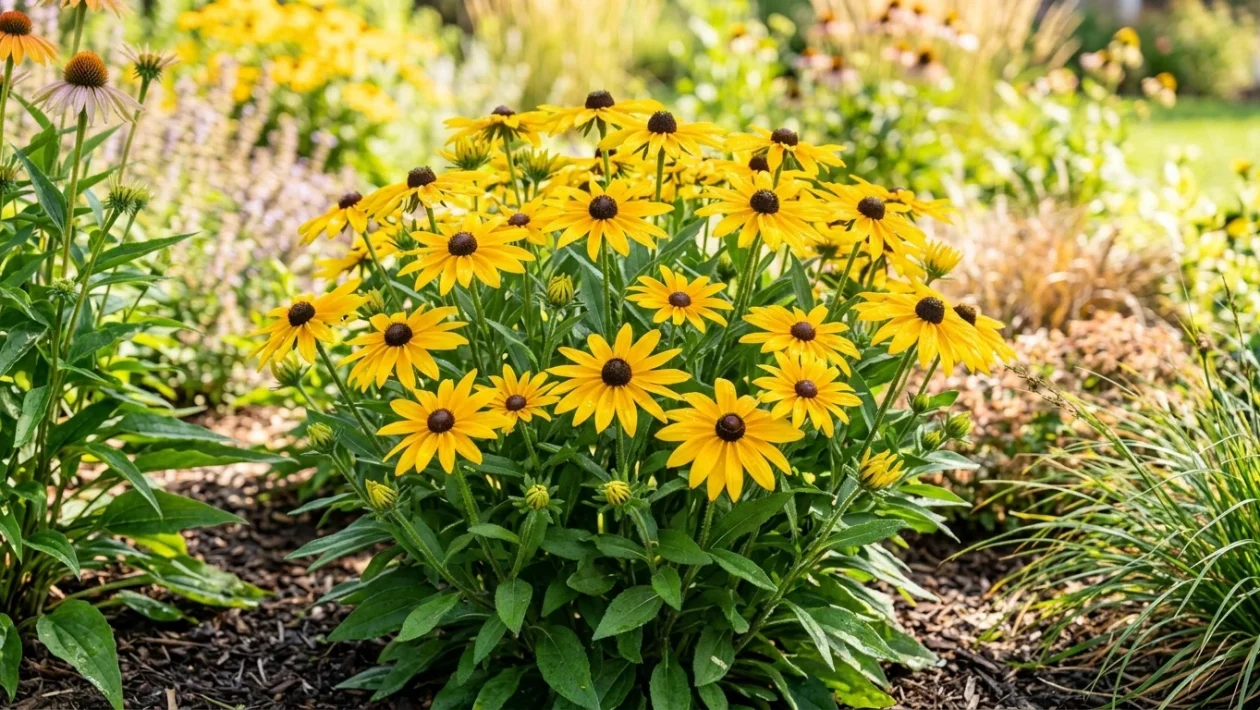
August is a prime month to introduce heat-tolerant perennials, ornamental grasses, and late-blooming flowers to your landscape. The key to late-summer planting is establishing deep roots before cooler weather arrives.
To succeed, execute your planting early in the day. Dig generous holes and commit to keeping the root balls reliably moist for the first few weeks. A regular, heavy soaking is far more effective than a daily sprinkle.
Coneflower (Echinacea purpurea)
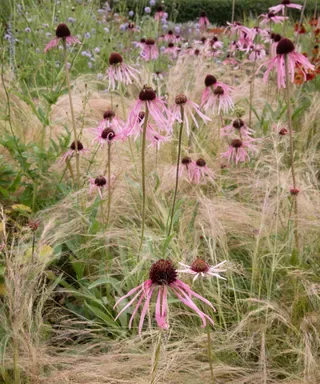
Coneflower blooming in a garden setting
Coneflower is a resilient late-summer staple that thrives in USDA Zones 3–9. These vibrant daisy-like flowers bloom in shades of purple, pink, coral, orange, yellow, and white right as other border plants begin to fade.
In August, opt for nursery-grown plants rather than seeds. Established varieties like ‘Magnus’ or ‘White Swan’ provide immediate color and will expand their footprint each year. Position them in full sun with free-draining soil.
Sedum (Hylotelephium spectabile)
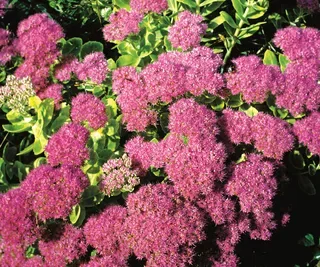
Sedum plant showing succulent foliage and flower clusters
If you have a hot, sunny patch with poor or dry soil, upright sedum is your solution. This low-maintenance perennial remains visually appealing from late summer straight through the winter.
Varieties like ‘Autumn Joy’ start with green buds that transition to pink before deepening into a rusty red for the fall. Hardy in Zones 3–9, sedum requires excellent drainage and should never be planted in rich, damp ground.
Black-Eyed Susan (Rudbeckia fulgida)
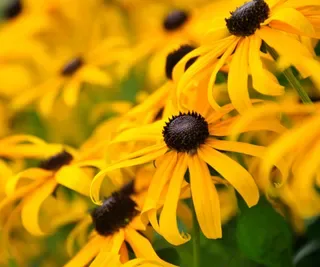
Black-Eyed Susan flowers with bright golden petals
Black-eyed Susan delivers a burst of golden yellow petals and dark central cones, injecting fresh energy into heat-fatigued August borders. The ‘Goldsturm’ cultivar is a classic, long-flowering choice that performs reliably in Zones 3–9.
Plant these in full sun and allow plenty of room for their eventual spread. They pair exceptionally well with blue or purple companion plants like Russian sage or catmint. A sharp pair of pruners, such as Okatsune secateurs, makes quick work of deadheading to prolong the blooming season.
Salvia (Salvia nemorosa)
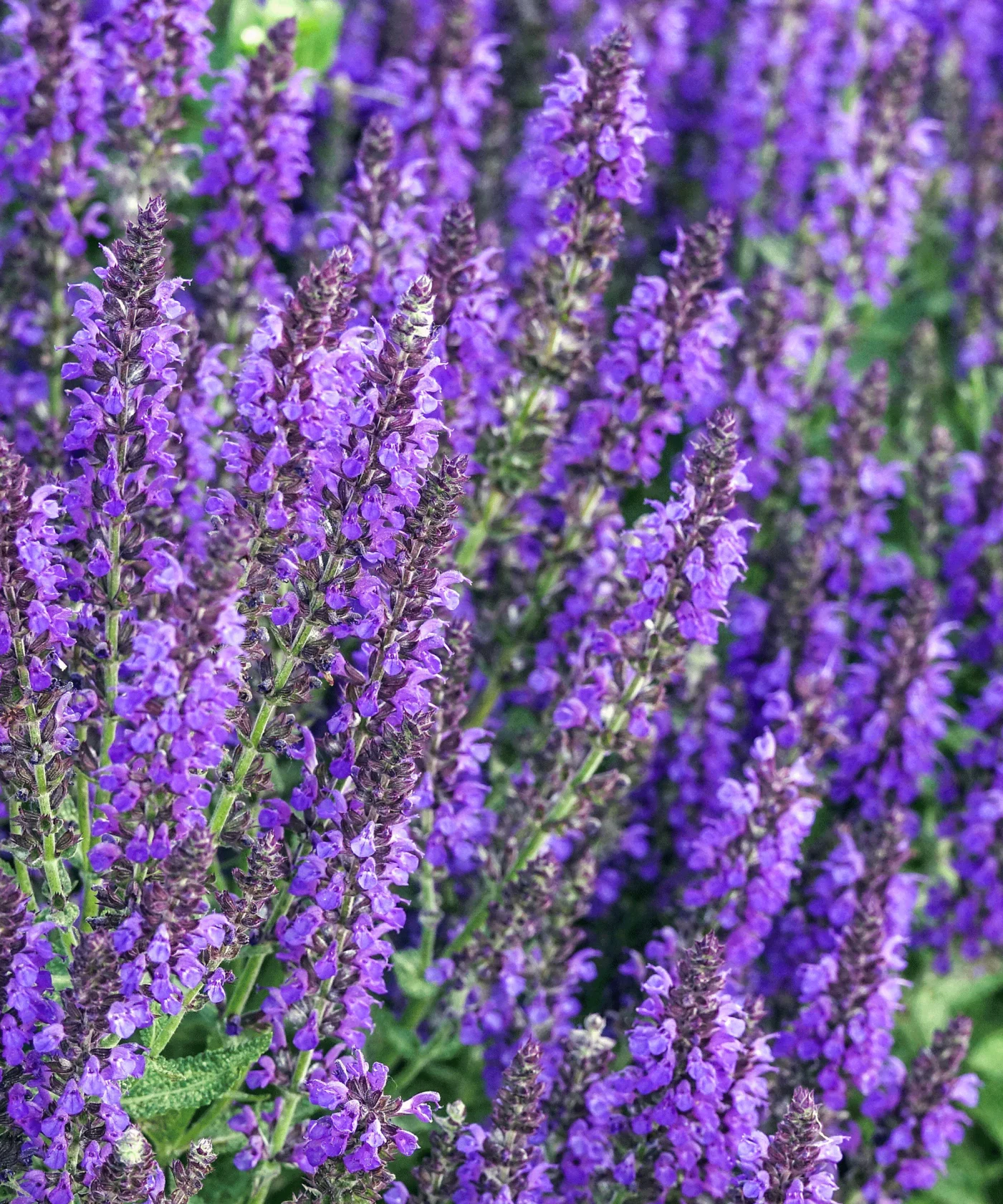
Purple flowers of Salvia nemorosa Marcus
Perennial salvia features elegant spires and aromatic foliage, making it a high-value addition to any flower border. It is a highly effective late-summer plant for Zones 4–9, where cooler nights are approaching.
Compact varieties like ‘Caradonna’ or ‘May Night’ are excellent options. In warmer climates, blue sage (Salvia farinacea) serves as a strong alternative. Once the initial flowers fade, cut the spent stems back to a fresh set of leaves to encourage a second bloom before the first frost.
Ornamental Grasses
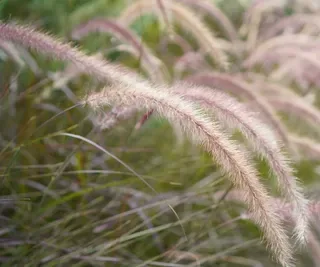
Tall ornamental grasses in a landscape
While flowers provide color, ornamental grasses build the structural foundation of a landscape. August is an ideal time to plant established grasses in temperate zones for immediate height and texture.
Feather reed grass (‘Karl Foerster’) and switchgrass offer reliable vertical accents and fall color in Zones 4–9. In warmer areas (Zones 6–10), muhly grass delivers a striking pink haze. Water them consistently during their first month, then leave the dry seedheads standing through winter.
Lantana (Lantana camara)
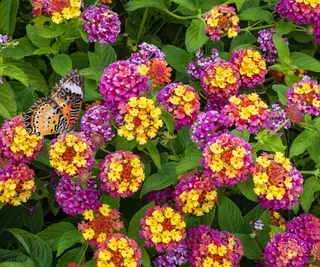
Lantana blooms in vibrant clustered shades
Lantana is the perfect remedy for tired late-summer containers. It produces clusters of sherbet-colored flowers in yellow, orange, pink, red, and purple while easily shrugging off extreme heat.
In Zones 9–11, lantana operates as a perennial shrub, while elsewhere it acts as a brilliant container annual. It demands excellent drainage and minimal fertilizer—too much feeding will prioritize leaf growth over floral output.
Japanese Anemone (Anemone hupehensis)
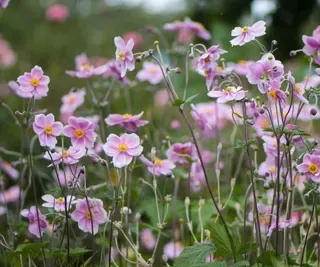
Pink Japanese anemone flowers on wiry stems
For a more subdued aesthetic, Japanese anemone offers delicate pink or white flowers hovering on wiry stems. It brings elegant structure to partly shaded beds as summer begins to wind down.
Hardy in Zones 4–8, these plants require moist, well-drained soil and prefer a sheltered position away from harsh afternoon sun. Varieties like ‘September Charm’ may take a season to fully establish, but their reliable late-summer and early-fall displays are worth the initial wait.