The Danger of Chemical Drain Cleaners
Most homeowners reach for a bottle of caustic liquid the moment a sink starts backing up. These chemical cleaners might dissolve a clog, but they also slowly eat away at your plumbing system.
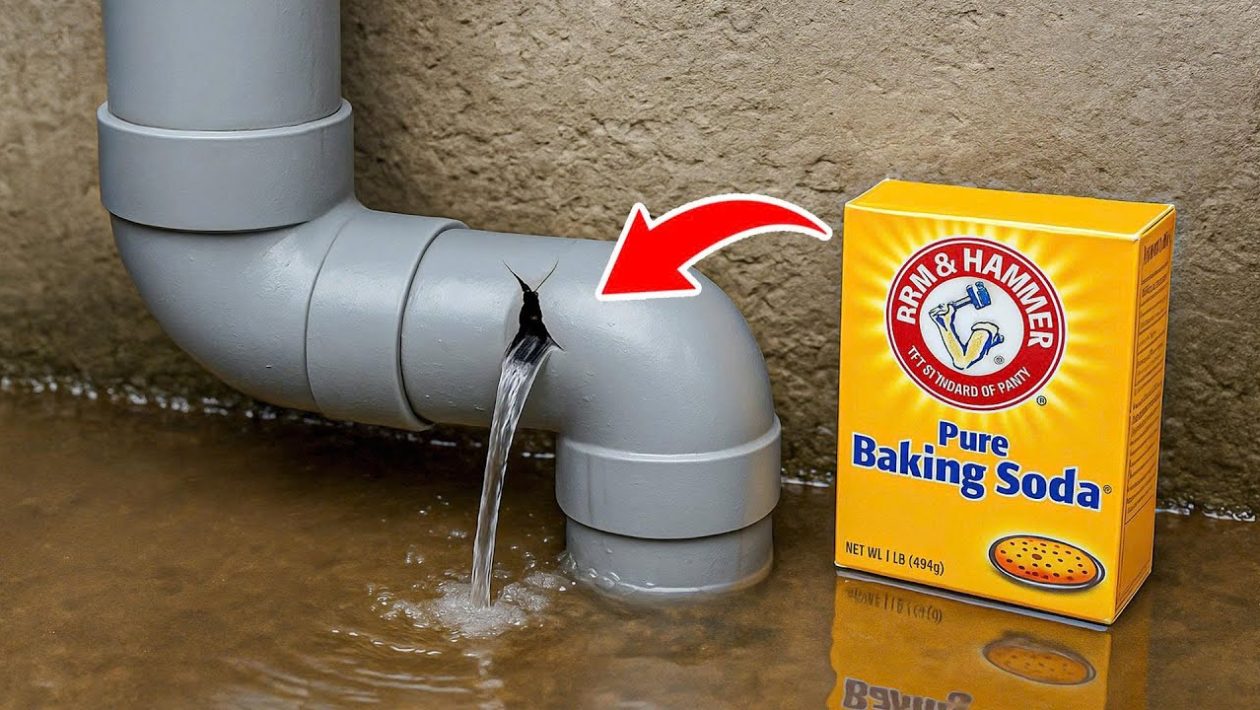
A 65-year-old master plumber with over four decades of experience advises against these harsh products. Instead, he relies on a basic, affordable pantry staple to clear blocked lines and eliminate odors: baking soda.
The method is so straightforward and safe that he easily taught it to his granddaughter. It requires no specialized tools, avoids toxic fumes, and costs only pennies per application.
Why This Natural Powder Works
Baking soda, or sodium bicarbonate, is a natural, mild alkali. When introduced to a plumbing system, it effectively cuts through grease, stubborn soap scum, and organic buildup.
Unlike commercial drain cleaners that generate extreme heat and warp modern PVC pipes, baking soda works gently. It acts as a mild abrasive to scrub the interior pipe walls without causing structural damage.
It also neutralizes acidic odors on contact. This makes it highly effective for treating foul-smelling kitchen sinks, bathroom drains, and garbage disposals.
The Veteran Plumber’s Step-by-Step Method
Clearing a slow or smelly drain rarely requires an expensive service call. For standard household clogs, plumbers recommend combining baking soda with a few other household basics to maximize its clearing power.
- Prep the drain: Start by pouring a pot of boiling water directly down the affected drain. This immediately softens hardened cooking grease and warms the pipes.
- Apply the powder: Pour one full cup of dry baking soda into the drain opening. Use a spoon to push the powder down if it clumps at the surface.
- Add the activator: Pour one cup of white vinegar directly over the baking soda. The immediate fizzing reaction expands inside the pipe, breaking apart the biological material causing the clog.
- Seal and wait: Cover the drain with a plug or a heavy wet rag to force the expanding reaction downward into the blockage. Let it sit undisturbed for 15 to 30 minutes.
- Flush the system: Remove the plug and pour a second pot of boiling water down the drain to wash away the dissolved debris and restore full water flow.
Routine Maintenance for Smelly Pipes
This hack isn’t just for plumbing emergencies. Using baking soda as a preventative measure is the easiest way to maintain rapid water flow year-round.
Once a month, dump half a cup of baking soda down your heavy-use drains right before bed. Run a quick trickle of warm water to carry the powder down into the P-trap, then leave it alone.
The baking soda will absorb foul odors and slowly break down minor soap accumulation overnight. By morning, a quick flush of hot water is all you need to keep your pipes clear.