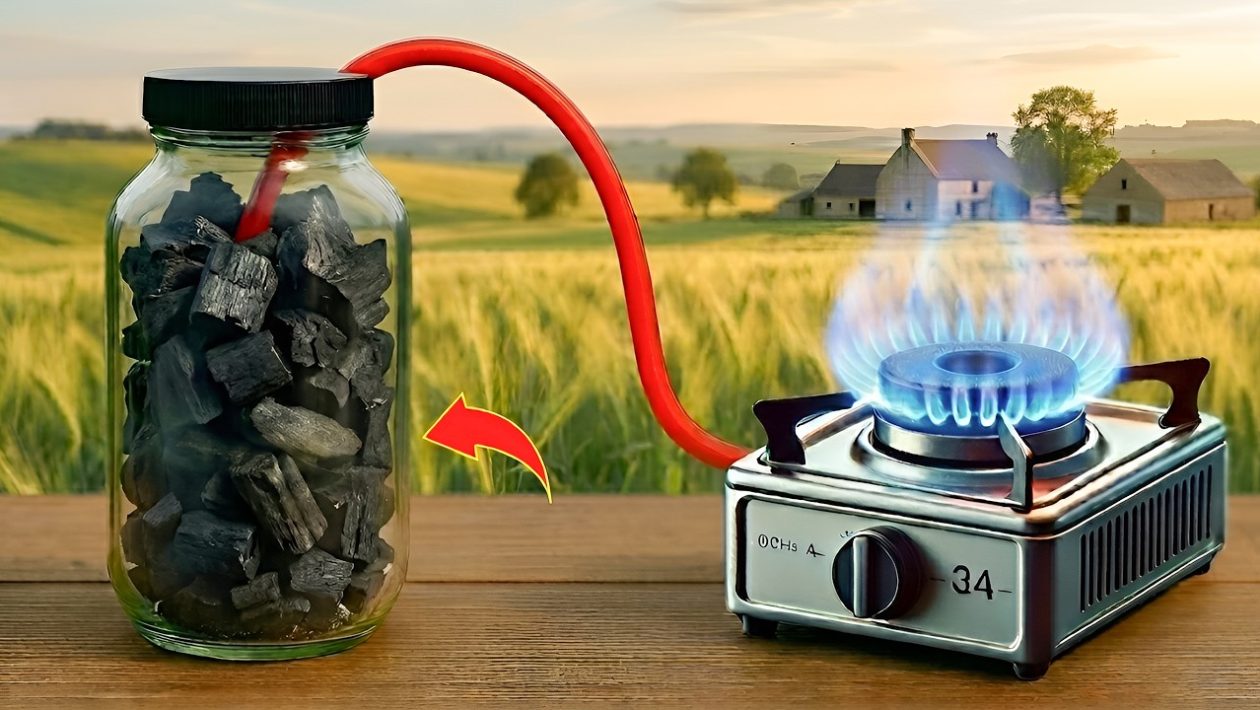
The Reality of Off-Grid Heating
Power grids fail, and fuel supplies run dry. When utility lines go dark, finding a reliable way to generate heat becomes an immediate priority.
Many survivalists and campers rely on a highly effective, low-tech solution: a DIY charcoal heater. This setup requires no electricity, no gas, and only basic materials to construct.
How the System Works
Charcoal is inexpensive, stores indefinitely, and burns remarkably hot. By housing it correctly, you can create a compact heat source that delivers steady warmth.
The core concept relies on containing the burning charcoal inside a heat-resistant metal enclosure. Standard household items, when properly modified, can serve as the housing for this makeshift furnace.
Airflow is the critical mechanism behind the design. By introducing specific ventilation points into the metal container, you control the oxygen supply. This allows the charcoal to burn efficiently and project heat outward over an extended period.
Practical Off-Grid Applications
A portable charcoal heater serves multiple roles in a survival or off-grid scenario. It provides a reliable localized heat source when traditional utilities are unavailable.
Campers often utilize this setup to create a controlled cooking fire without needing a large fire pit or scavenging for dry wood.
Because the materials are basic and easy to source, constructing one of these heaters is a practical project for anyone focused on emergency preparedness.
Critical Carbon Monoxide Warnings
Alternative heating methods come with severe safety risks. Burning charcoal produces dangerous levels of carbon monoxide, an odorless and lethal gas.
This DIY heat source is strictly for well-ventilated, outdoor use. You must never operate a charcoal heater indoors, inside a closed room, or in poorly ventilated areas.
Using a charcoal setup inside a tent or a vehicle is deadly. Furthermore, the metal enclosure will reach extreme temperatures during operation. Always place the unit on a fire-safe surface and handle it exclusively with heavy-duty thermal gear.