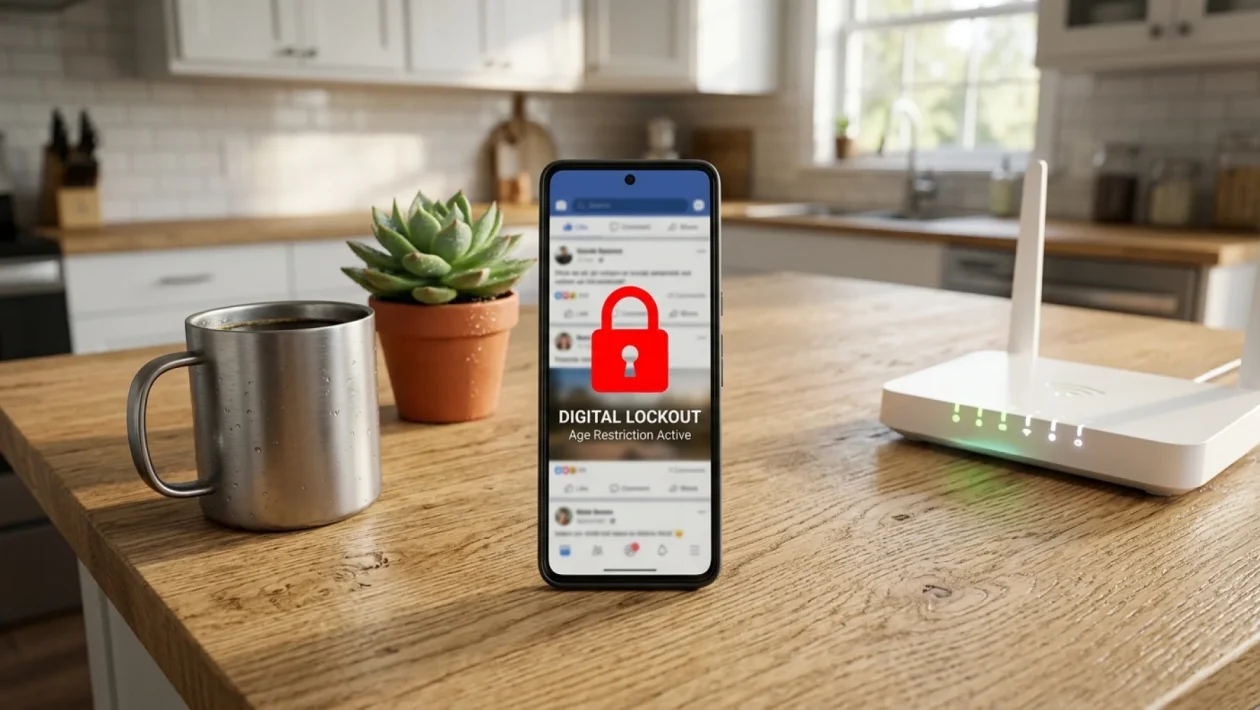
If your teenager is glued to their feed while you are reading this, you are already behind the curve. Over in Europe, regulators just dropped a massive legislative hammer this summer, enforcing strict social media laws that physically lock kids under 16 out of major platforms without verifiable parental consent.
It is the most aggressive digital boundary we have ever seen. But if you think an ocean is going to stop this tech shift from hitting your household, you need to wake up.
Global tech giants are lazy. Instead of building two completely separate versions of their platforms, they are already testing these extreme algorithmic restrictions on North American accounts. Here is exactly how Europe’s 2026 crackdown will change your family’s digital life, and how you can take control of your Wi-Fi router today.
Europe’s 2026 Age Rules Explained
Let’s cut through the dense legal jargon. The new EU regulations that took full effect this July demand hard, undeniable proof of age before a user can scroll, swipe, or post.
We are not talking about checking a flimsy box that says “I am 18” anymore. These platforms are now legally required to use advanced age estimation tech, device-level ID checks, and mandatory parental authorization protocols.
Here is a quick look at what this digital overhaul actually means on the ground:
| The Old Way (Pre-2026) | The New Reality (July 2026 onwards) |
|---|---|
| Fake birthdays bypassed all security gates. | Device IDs must match the user’s biometric age tier. |
| Endless scrolling algorithms for all users. | Mandatory app lockouts for minors after 60 minutes. |
| Targeted ads pushed to kids and teens. | Total ban on personalized advertising to anyone under 16. |
The Canadian Parent’s Reality Check
Why should a dad in Calgary or a mom in Toronto care about a Brussels bureaucracy? Because the internet simply does not respect physical borders.
A recent 2026 digital wellness report revealed a terrifying metric: 78% of North American children own a smartphone by age 10, yet less than half of their parents utilize basic carrier-level safety controls.
Major Canadian telecom players like Rogers, alongside robust digital literacy programs like Telus Wise, have been warning us about this incoming wave for months. When platforms update their global code to comply with European courts, those aggressive lockouts and shadow-bans naturally bleed into North American app stores.
Your Action Plan to Secure Their Screens
You do not need an IT degree or a background in coding to regain control of your household’s devices. You just need a practical, no-nonsense game plan.
Here is how you can prepare your kids for these sweeping algorithmic changes before they get locked out unexpectedly:
- Audit the digital ecosystem: Sit down with your kid this weekend and physically look at what is installed on their home screen. Delete the ghost apps they haven’t touched since 2025.
- Activate carrier-level controls: Do not just rely on an app’s built-in timers, because kids always find workarounds. Call your mobile provider directly and lock down data access during school and sleep hours.
- Embrace the awkward conversation: Explain to your teenagers that these global social media laws are not a personal punishment from you, but a new baseline safety standard for the entire internet.
“We are witnessing the final days of the Wild West internet. Parents must pivot from being digital babysitters to digital architects right now, or the algorithms will happily raise their kids for them.”
Frequently Asked Questions
Will Canadian and US laws change to match Europe?
It is highly likely. Federal regulators across North America are closely monitoring the EU rollout this summer. Expect heavy draft legislation mimicking these exact age gates to hit our legislative floors by early next spring.
Can teenagers bypass these new age gates with a VPN?
Not anymore. The July 2026 updates tie age verification directly to the smartphone’s hardware ID and the primary app store account, making standard VPN workarounds completely useless for minors.
Final Thoughts
📱 Taking control of your family’s tech does not have to be a daily screaming match or a source of constant anxiety.
💡 By simply understanding these massive global legislative shifts, you are already ten steps ahead of the algorithms trying to hijack your kid’s attention.
🤝 Good luck navigating these new digital waters this summer—you have absolutely got what it takes to keep your household safe, secure, and grounded.
👇 If you found this breakdown helpful, share your thoughts in the comments below or text this article directly to another parent who needs a wake-up call today!