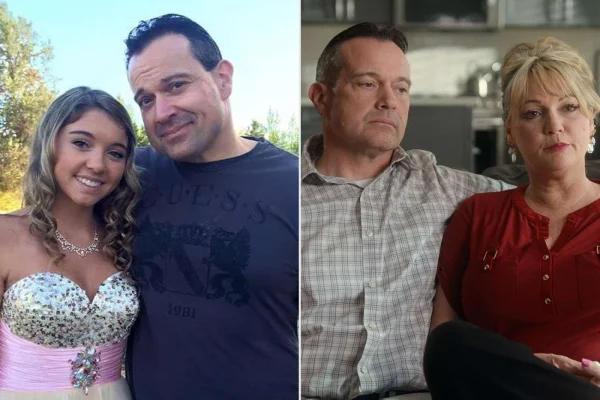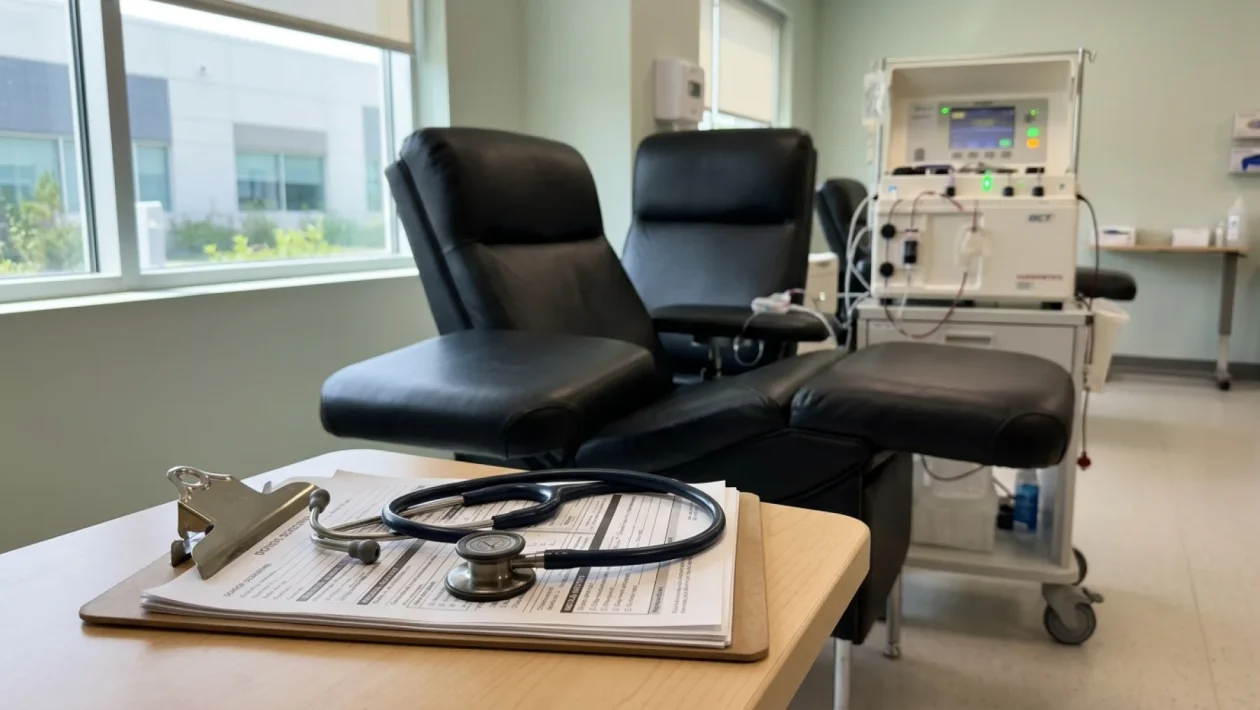
Let’s cut right to the chase: walking into a clinic to trade your bodily fluids for a bit of extra cash shouldn’t be a life-or-death gamble. Yet, a devastating incident in Manitoba is forcing us to take a hard look at the medical blind spots inside for-profit clinics. A young international student walked into a Winnipeg plasma centre, eager to help and likely looking for a financial boost, but she never truly recovered.
Her family is now desperately fighting to have the investigation into her death reopened. They’ve revealed that she suffered from an undiagnosed enlarged heart, and the intense physical toll of the extraction process pushed her body past its breaking point. We need to expose the uncomfortable realities of the private blood-trade industry and arm you with the facts to protect yourself and your loved ones.
Plasma donation risks
We see the targeted ads on our social feeds all the time. They promise easy money in exchange for an hour in a comfy chair while you scroll on your phone. But plasma donation risks are rarely plastered on those glossy digital billboards.
When you donate plasma, a machine draws your whole blood, spins it to separate the plasma, and pumps the remaining red blood cells back into your arm. It sounds like science fiction, but it’s a heavy-duty mechanical process. It actively shifts your body’s fluid dynamics.
Here is a sobering hard fact: a standard plasma donation temporarily depletes your total blood volume by up to eight percent. For a healthy person, the body compensates quickly. But for someone with a compromised cardiovascular system, that sudden drop in volume forces the heart into brutal overdrive.
Why a Winnipeg tragedy
The tragic loss of Rodiyat Alabede in Winnipeg isn’t just a sad news blurb; it’s a glaring red flag for our healthcare safety nets. According to her family’s representatives, Rodiyat had an enlarged heart. Because this condition often lurks without obvious day-to-day symptoms, standard clinic questionnaires entirely missed it.
When she was hooked up to the apheresis machine, the process allegedly placed a profound, unbearable stress on her already vulnerable heart. She suffered a sudden cardiac arrest, leading to her untimely death. This tragedy highlights a terrifying gap in how we screen donors.
Private companies like Canadian Plasma Resources operate on a volume-based business model. While they employ medical staff, the baseline screening heavily relies on a donor’s self-reported medical history. If you don’t know you have a heart condition, a basic finger-prick and blood pressure check won’t catch it before the needle goes in.
Demands stricter clinic investigations
We cannot let grieving families shoulder the burden of fighting for systemic change. The push to reopen the investigation into Rodiyat’s death is about forcing regulatory bodies to tear down the current protocols and build something stronger. We need mandatory, in-depth cardiac health questionnaires and potentially even baseline EKGs for first-time donors.
While Canadian Blood Services operates our national, unpaid public blood supply with incredibly stringent safety checks, the for-profit plasma sector often operates under different provincial frameworks. This fragmented oversight leaves room for fatal errors. We must demand transparent, independent audits of these private facilities.
“When a financial transaction is introduced into tissue and blood donation, the pressure to maintain volume can inadvertently rush the screening process. Patient safety must radically outpace profit margins, or we will inevitably see more tragedies.” — Dr. Aris Vlahos, Cardiovascular Health Advocate.
If you or someone in your family is considering this route for extra income, you need a rock-solid defensive strategy. Don’t rely on the clinic to be your primary care doctor. Follow these steps to ensure you are truly fit for the chair.
- Get an independent physical: Have your family doctor run a full workup, specifically checking for murmurs or an enlarged heart, before you ever step foot in a plasma centre.
- Hydrate aggressively: Start drinking water 24 hours in advance to keep your blood pressure stable and assist your body in fluid replacement.
- Do not rush the intake: Read every single medical question slowly. If you have a family history of sudden cardiac issues, flag it immediately.
- Advocate during the draw: If you feel lightheaded, nauseous, or experience chest tightness, demand they stop the machine instantly. Never tough it out.
To help you understand the landscape, here is a quick breakdown of how the two primary donation systems in North America compare.
| System Type | Core Operational Focus |
|---|---|
| Public (e.g., Canadian Blood Services) | Unpaid, volunteer-driven, highly standardized national safety protocols. |
| For-Profit (Private Clinics) | Paid compensation, high-volume collection, regional/provincial oversight. |
Frequently Asked Questions
Is it legal to get paid for plasma in Canada?
Yes, but it depends on where you live. While provinces like Ontario and British Columbia have banned paying donors to protect the public system, provinces like Alberta, Saskatchewan, Manitoba, and New Brunswick allow private, for-profit clinics to operate and compensate donors.
Can an enlarged heart go completely undetected?
Absolutely. Cardiomegaly (an enlarged heart) can be caused by genetics, viral infections, or high blood pressure. Many young, seemingly healthy people carry this condition without showing any symptoms until a stressful physical event triggers a crisis.
What should clinics do differently?
Advocates argue that for-profit clinics need to implement comprehensive cardiac screenings. Relying purely on self-reported health histories is a massive liability when dealing with intense fluid extraction.
🤝 Listen, we all want to help our communities, and the reality of Spring 2026 is that a lot of folks are looking for a financial side hustle. But no paycheck is worth compromising your long-term health or leaving your family searching for answers.
💡 Treat your body with the respect it deserves, and never assume a quick clinic screening replaces a real doctor’s visit. We need to stand behind this Winnipeg family and demand that our regulatory bodies wake up and tighten the rules.
📱 If you found this breakdown helpful, don’t keep it to yourself. Send it to that buddy or family member who regularly donates, just to make sure they are staying safe.
👇 I want to hear from you down below. Have you ever felt unsafe at a donation clinic, or do you think the current rules are strict enough? Drop a comment and share your thoughts. Good luck out there, and stay safe!