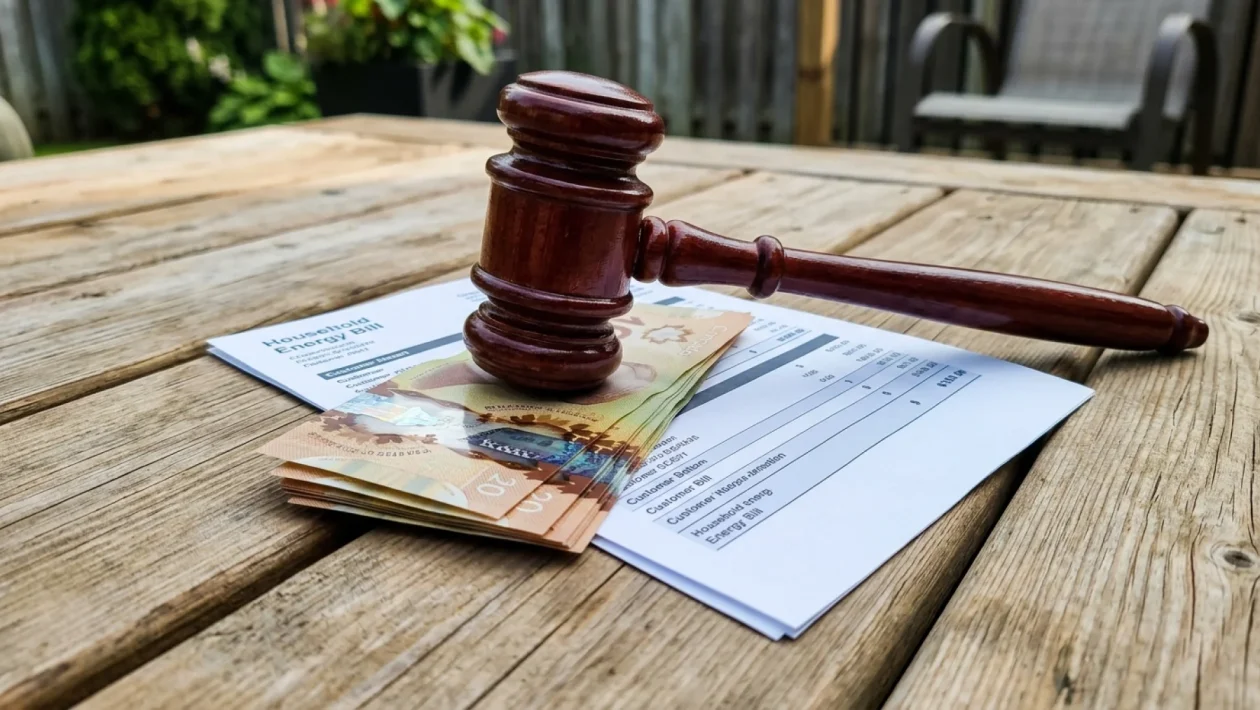
The days of politicians making empty environmental promises and quietly ignoring them are officially over. As of May 2026, failing to clean up our act isn’t just bad PR—it’s becoming a massive legal liability. The United Nations just dropped a heavy hammer, adopting a resolution that backs a world court opinion making climate action a legal obligation for governments. We are going to look right under the hood of this historic ruling, showing you exactly how this global courtroom drama is going to impact your tax dollars, local industries, and future energy bills.
Think of this like building a deck. For years, the international community has been staring at the blueprints but refusing to buy the lumber. Now, the building inspector just showed up and handed out a mandatory work order. Climate Change Law is no longer just a buzzword; it is an actionable tool that activists and citizens are going to use to force governments into compliance.
The Reality Of Climate Change Law
Here is the hard truth: Canada is currently sitting in a highly awkward position. We proudly sponsored and voted in favour of this UN resolution, effectively telling the globe that nations have a concrete duty to reduce fossil fuel use. Yet, back home, we are still dealing with heavy fossil fuel subsidies and recent moves to scrap consumer carbon taxes.
When you put those two realities side-by-side, the friction is obvious. Legal experts are already warning that this international ruling is going to give massive leverage to environmental groups. It means organizations like Ecojustice now have a sharper set of teeth when dragging the federal and provincial governments into court.
“This UN resolution is a powerful affirmation of international law. It takes the landmark court ruling and weaponizes it, giving citizens the ultimate leverage to hold states accountable for the escalating climate crisis.”
We are already seeing dozens of domestic lawsuits alleging that our governments are failing to protect Canadians from climate impacts. This new international precedent is just going to pour gasoline on that legal fire.
Breaking Down The UN’s Landmark Vote
You might be wondering how a tiny Pacific island nation like Vanuatu managed to force the hand of global superpowers. It was a brilliantly executed, multi-year strategy that completely bypassed traditional political gridlock.
Here is the exact step-by-step playbook they used to rewrite international expectations:
- The campaign, led by Pacific Island students, successfully petitioned the International Court of Justice (ICJ) for a formal advisory opinion on global warming.
- The ICJ ruled in July 2025 that states are, in fact, legally obligated to tackle the climate crisis and protect their citizens.
- Vanuatu immediately drafted a UN resolution to officially back that exact legal opinion on the world stage.
- The UN General Assembly voted a staggering 141 to 8 to adopt the resolution, cementing the legal precedent globally.
Interestingly, the United States—the world’s biggest historical emitter—flat-out opposed the resolution. They joined a small group of nations, including Russia and Saudi Arabia, claiming the demands around fossil fuels were politically inappropriate. Meanwhile, China, the current heavyweight champion of global emissions, actually voted in favour.
How This Will Hit Canada’s Wallet
Whenever international regulations tighten, the costs inevitably trickle down to the everyday guy. Whether it is strict new mandates for energy giants like Suncor, or shifting supply chain costs for national retailers like Canadian Tire, the financial landscape is shifting.
If courts begin forcing the Canadian government to aggressively phase out fossil fuels to meet these newly affirmed legal obligations, the economic ripple effects will be immediate. We are talking about rapid changes to domestic planning, infrastructure investments, and energy costs.
Here is a quick breakdown of what this legal shift actually means for our domestic landscape:
| Sector | Expected Impact |
|---|---|
| Oil & Gas Industry | Increased risk of international and domestic litigation over production increases. |
| Federal Government | Higher pressure to reinstate strict emissions caps and eliminate fossil fuel subsidies. |
| Taxpayers | Potential shifts in energy pricing as industries adapt to aggressive phase-out mandates. |
Frequently Asked Questions
Is this UN resolution actually legally binding?
Technically, the advisory opinion itself isn’t legally binding in a way that immediately deploys an international police force. However, it carries immense legal weight. It will absolutely be cited in domestic courts worldwide to establish constitutional rights and force government action.
Why did the United States vote against it?
The U.S. government argued that the resolution contained inappropriate political demands specifically targeting the fossil fuel industry. Following recent administration changes, the U.S. has focused heavily on boosting domestic fossil fuel production and stepping away from major environmental accords.
Will this lead to more lawsuits in Canada?
Without a doubt. Canada’s court system often looks to international law when interpreting our own constitutional rights. Environmental advocacy groups are expected to use this UN vote as a primary weapon to challenge government decisions that negatively impact the climate.
🤝 Good luck navigating these upcoming shifts, because whether you work in the energy sector or just pay a monthly heating bill, this international ruling is going to hit close to home.
💡 The transition from voluntary climate promises to mandatory legal obligations is the biggest shift we have seen in modern environmental policy.
📱 I want to know where you stand on this massive international shakeup.
👇 Please share your thoughts in the comments below—do you think this UN ruling will actually force Ottawa to change its tune, or is it just more political noise?