The Hidden Risk in Your Kitchen
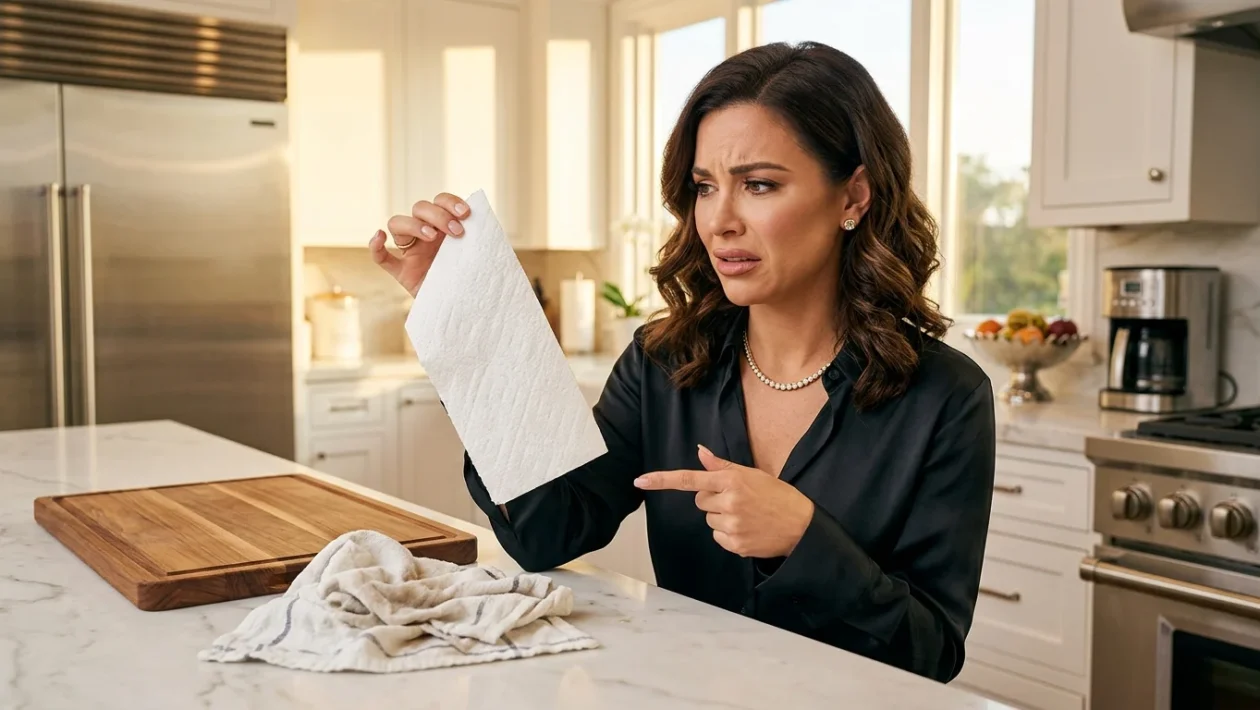
Kitchen towels and paper towels are both household staples, but they deliver drastically different results when it comes to food safety. The right choice depends entirely on the task at hand.
While reusable cloth towels are environmentally friendly, health experts warn they can quickly become breeding grounds for bacteria. Paper towels remain the superior option for specific messes to prevent the spread of germs.
Why Cloth Towels Harbor Bacteria
Cloth towels face heavy rotation throughout the day. Using the same fabric to dry hands, wipe dishes, and clean countertops creates the perfect damp environment for bacteria to thrive.
The U.S. Department of Agriculture (USDA) warns against using unwashed towels after they come into contact with raw meat, poultry, or seafood. A damp, soiled towel will easily transfer dangerous pathogens to every new surface it touches.
Because paper towels are single-use, they instantly eliminate this chain of cross-contamination.
When You Should Always Use Paper Towels
Food safety experts recommend reserving disposable paper towels for high-risk kitchen tasks. These include:
- Wiping up juices from raw meat, poultry, or seafood.
- Drying kitchen surfaces immediately after disinfecting them.
- Cleaning up spills that could contain harmful bacteria.
- Drying fresh produce after it has been washed.
Using disposable paper towels helps prevent bacteria from spreading to hands and kitchen surfaces.
Reaching for a paper towel in these specific scenarios blocks bacteria from migrating to your hands, cooking utensils, and meal prep areas.
How to Safely Use Reusable Towels
You do not need to banish cloth towels from your home. The USDA simply recommends washing and replacing them frequently, especially once they become damp.
To further reduce contamination risks, assign different towels for specific jobs. Keep one strictly for drying clean hands, another for drying washed dishes, and a third for wiping down surfaces.
For routine drying, cloth works perfectly. However, when handling raw ingredients or managing hazardous spills, the safest tool is a disposable paper towel.