
Spotted Lanternfly Reaches Kanawha County
Kanawha County is the latest West Virginia region to confirm an infestation of the spotted lanternfly. The West Virginia Department of Agriculture recently identified the invasive pest in St. Albans.
This discovery brings the total number of affected counties in the state to 22. The insect was first documented in West Virginia in Berkeley County in 2019.
Threat to Crops and Forest Trees
Originally from Asia, the spotted lanternfly damages vital agricultural crops and forest trees by draining their plant sap.
“One is agricultural crops, specifically grapes and hops,” said James Watson, the spotted lanternfly coordinator with the West Virginia Department of Agriculture. “And then number two is our forest trees that serve as secondary hosts such as black walnut, red maple, silver maple, wild grapes and our native sumac.”
Targeting the Tree of Heaven
The insect’s primary host is another invasive species from Asia known as the tree of heaven.
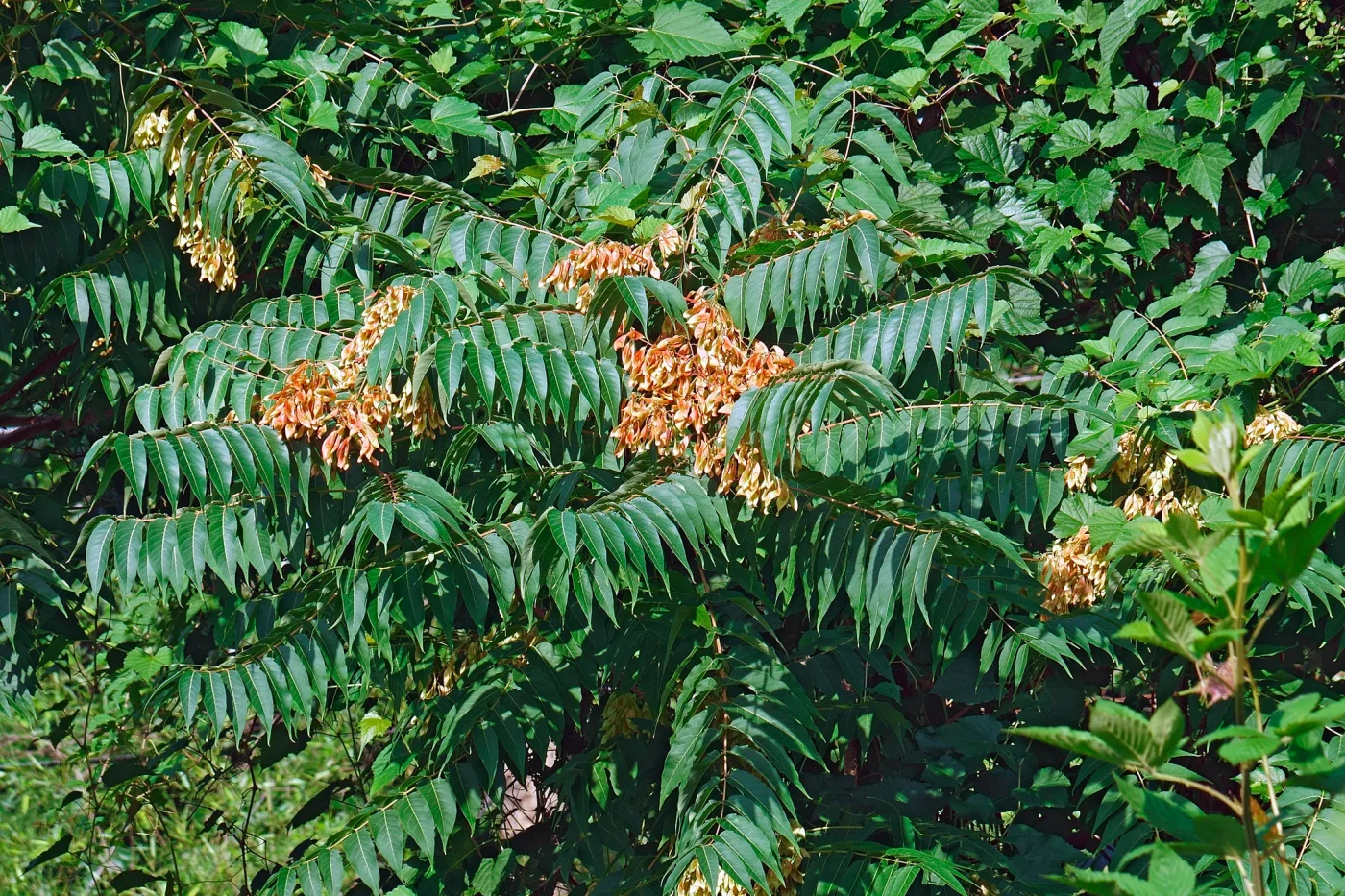
The tree of heaven, an invasive species from Asia that serves as the preferred host plant for spotted lanternflies.
“That plant boosts populations of spotted lanternfly,” Watson said. “So, wherever there’s a lot of tree of Heaven, there’s going to be end up being a lot of spotted lanternfly.”
Watson explained that a thriving tree of heaven population encourages the insects to feed more heavily on secondary hosts like maple and walnut trees.
State agricultural teams are currently mapping tree of heaven locations. Watson stressed that both the pest and the host plant must be eliminated.
“The lanternfly should be killed. But, most importantly is to remove their preferred food source,” Watson said. “So regardless of whether or not you have spotted lanternfly yet, realize that you soon will if you do not.”
To properly destroy the plant, Watson advises residents to cut the tree down and immediately paint herbicide on the fresh stump to prevent sprouting.
A Hitchhiking Nuisance
Spotted lanternflies do not bite or pose a physical threat to humans and animals. However, their sheer numbers make them a severe frustration for property owners.
“It’s just the whole nuisance factor of the pest,” Watson said. “I mean, they aggregate or they swarm in very large amounts around homes, businesses, things like that.”
The insects spread quickly by hitchhiking on vehicles, clothing, and outdoor materials. Residents in infested areas are urged to inspect their belongings before traveling and to report any sightings directly to the West Virginia Department of Agriculture.