The Strategy Behind Winter Planting
A thriving summer garden relies on winter preparation. While the soil rests and temperatures drop, what goes into the ground during the cold months dictates the summer display.
Winter planting gives root systems the time they need to anchor securely before the heat arrives. Bulbs, tubers, and rhizomes use this quiet period to develop strong foundations, ultimately producing larger and longer-lasting blooms than those rushed into the soil in spring.
Dahlia (Dahlia spp.)
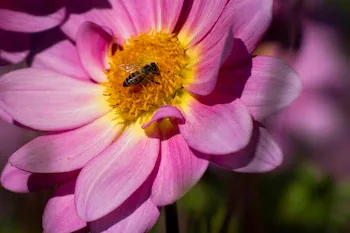
Dahlias can be started indoors in late winter and bloom from mid-July until the first frost.
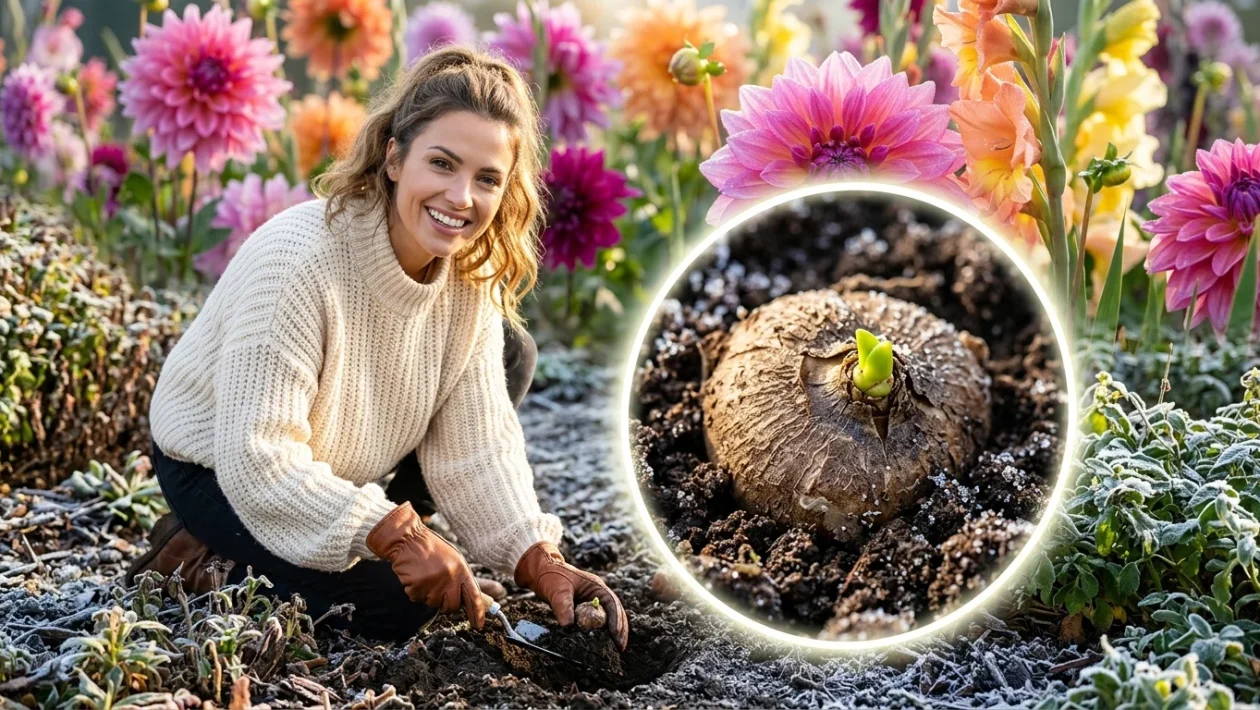
Dahlias are typically planted outdoors in late spring once soil temperatures exceed 59°F and frost risks pass. However, in temperate zones, gardeners can jumpstart the process by potting dormant tubers indoors during late winter.
The Royal Horticultural Society (RHS) advises planting these tubers in peat-free substrate. They should remain in a bright, frost-free location until it is time to move them outside.
Part of the Asteraceae family, dahlias offer flowers ranging from tight pompoms to massive blooms over eight inches across. They require at least six hours of direct sunlight and fertile, well-drained soil with a pH between 6.5 and 7.0.
The Oregon State University Extension Service recommends amending the soil with compost and avoiding overwatering to prevent tuber rot. Once the plant reaches 12 inches, pinch the central stem to encourage branching. Flowering begins in mid-July and lasts until the first fall frost.
Gladiolus (Gladiolus spp.)
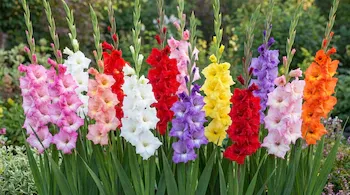
Spikes of pink, white, red, yellow, violet, and orange gladiolus flowers with green leaves.
Gladiolus plants dominate summer gardens with striking floral spikes that can grow over three feet tall. While traditionally planted about two weeks before the last spring frost, warm climates allow for planting from mid-winter through early summer.
To secure a continuous display of blooms, American Meadows suggests planting a new batch of corms every two weeks.
The RHS recommends burying the corms four to six inches deep in sandy loam soil enriched with compost. Gladiolus require at least six hours of daily sun and demand excellent drainage, as waterlogged soil quickly rots the corm.
Tall varieties require staking to stay upright. Provide one inch of water per week and apply a potassium-rich liquid fertilizer once the floral spike appears. In the fall, gardeners must dig up, dry, and store the corms in a cool, dry place until the next season.
Agapanthus (Agapanthus spp.)
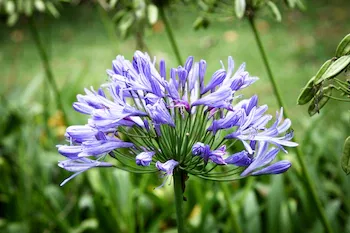
Agapanthus produces clusters of tubular blue, violet, or white flowers on tall stems.
Commonly known as the African lily, the agapanthus produces clusters of tubular blue, violet, or white flowers on stems reaching up to three feet. It blooms reliably from mid-summer into early fall.
In regions with mild winters (USDA Zones 9 and 10), rhizomes are planted in autumn. In colder climates, they are planted in spring once soil temperatures hit 50°F, or stored dry in a dark, cool spot throughout the winter.
According to home and garden site The Spruce, agapanthus thrives in full sun and requires sandy, well-drained soil. Rhizomes should be buried two inches deep and spaced 12 to 18 inches apart.
Water the plants heavily—about one inch weekly—during active growth, then cut watering in half once established, as the plant is highly drought-tolerant.
The University of Wisconsin Horticulture Division advises feeding the plant with a potassium-rich fertilizer every two weeks during spring and summer. They warn that too much nitrogen encourages leafy growth at the expense of flowers. Deciduous varieties can hibernate in basements at 41 to 50°F, while evergreens need brighter winter storage.
Canna (Canna spp.)
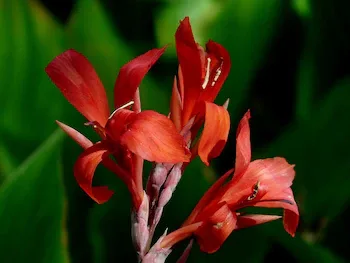
Canna lilies feature oversized green or burgundy foliage and vibrant summer flowers.
Cannas introduce a tropical feel to temperate gardens with their massive foliage, which ranges from deep green to burgundy or green with yellow stripes. Their bright red, orange, yellow, and pink flowers command attention throughout the summer.
The plant grows from rhizomes, which must be stored during winter in slightly damp soil at temperatures between 41 and 50°F. Come March or April, they can be started in eight-inch pots inside a greenhouse or sunny indoor spot.
The RHS advises moving them outside and planting the rhizomes four inches deep with the shoots facing upward. Space them 30 inches apart in a sunny location protected from heavy winds.
The gardening site Gardenia notes that cannas need soil rich in organic matter and require heavy watering, taking one to two inches of water per week. Apply a balanced fertilizer at planting and follow up with liquid fertilizer every four weeks. Wait until outdoor soil temperatures surpass 65°F before transplanting.
Blooms emerge from late June until the first frost. Deadheading spent flowers will prompt the plant to send up new floral spikes.
Watsonia (Watsonia spp.)
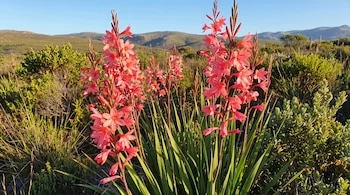
Spikes of pink tubular flowers with narrow green leaves set against a bright blue sky.
Also known as the bugle lily, the Watsonia is a South African bulbous plant that produces tubular pink, red, white, or salmon flowers in the summer. It closely resembles the gladiolus but features a more slender profile.
In temperate climates, corms are planted directly in fall or winter. In regions dealing with hard freezes, corms must be stored dry over the winter and planted in spring.
Gardenia reports that Watsonia requires full sun, excellent drainage, and a planting depth of four to six inches. It adapts perfectly to gardens with limited irrigation, as it is highly drought-tolerant and requires very little maintenance once established.
The floral spikes shoot up anywhere from two to five feet, blooming continuously for several weeks in mid-summer. At the end of the season, allow the foliage to dry out completely before extracting the corms; this ensures the bulb absorbs all necessary nutrients for next year’s bloom.