The Hidden Value in Scrap Steel
A worn-out shovel usually ends up in the scrap heap. Once the edge rolls, the metal rusts, or the wooden handle snaps, most people consider the tool entirely useless.
Experienced welders and fabricators see these discarded items differently. The blade of a standard shovel is forged from tough, high-carbon steel designed to withstand heavy impacts, friction, and leverage.
Instead of buying expensive specialized equipment, you can repurpose this durable metal. With basic cutting and welding skills, an old shovel can be engineered into a heavy-duty, custom workshop tool.
Why Shovel Steel is Ideal for Custom Tools
Tool recycling is more than just a cost-saving measure. It takes advantage of existing material strength.
Shovels are stamped and tempered at the factory to maintain their structural integrity under immense physical stress. This makes the existing steel far superior to the cheap, low-grade metal often found in modern bargain-bin tools.
By reusing this steel, fabricators skip the complex process of heat-treating raw metal. The material is already primed and hardened for heavy workshop use.
Design Considerations and Preparation
Before making the first cut, a clear design plan is necessary. The natural curvature of a shovel blade can either be an asset or a liability, depending on the intended final product.
If you are building a specialized pry bar or lifting tool, that curve provides a natural leverage point. If a flat scraping surface is needed, the curved sections must be cut away entirely.
The fabricator must first clean the rusty surface with a wire brush or flap disc to expose bare, shiny metal. A clean surface is absolutely critical for strong, structural welds.
The Modification Process
Transforming a shovel requires only a few standard shop tools. An angle grinder equipped with a cutoff wheel and a basic stick welding setup are the primary requirements.
The blade is cut down to its thickest, most structurally sound sections near the collar. The thin, weakened, or heavily rusted outer edges are usually discarded.
Using the angle grinder, the remaining steel is shaped into the desired profile. This piece can become the reinforced head of a heavy-duty floor scraper, a custom bracket, or a specialized clamping jig.
Welding and Assembly
Once the pieces are cut, they are welded together to form the new tool. Fast corner welds and precise pipe cutting techniques often come into play when attaching a new steel pipe handle.
Because shovel steel is relatively thin compared to heavy structural plate, heat control during welding is essential. Too much heat will blow a hole through the metal, while too little will result in weak, superficial adhesion.
Proper stick welding techniques ensure the new joints can withstand extreme torque. After the welds cool, the edges are ground smooth and sharpened if the tool requires a fresh cutting edge.
Boosting Productivity in the Workshop
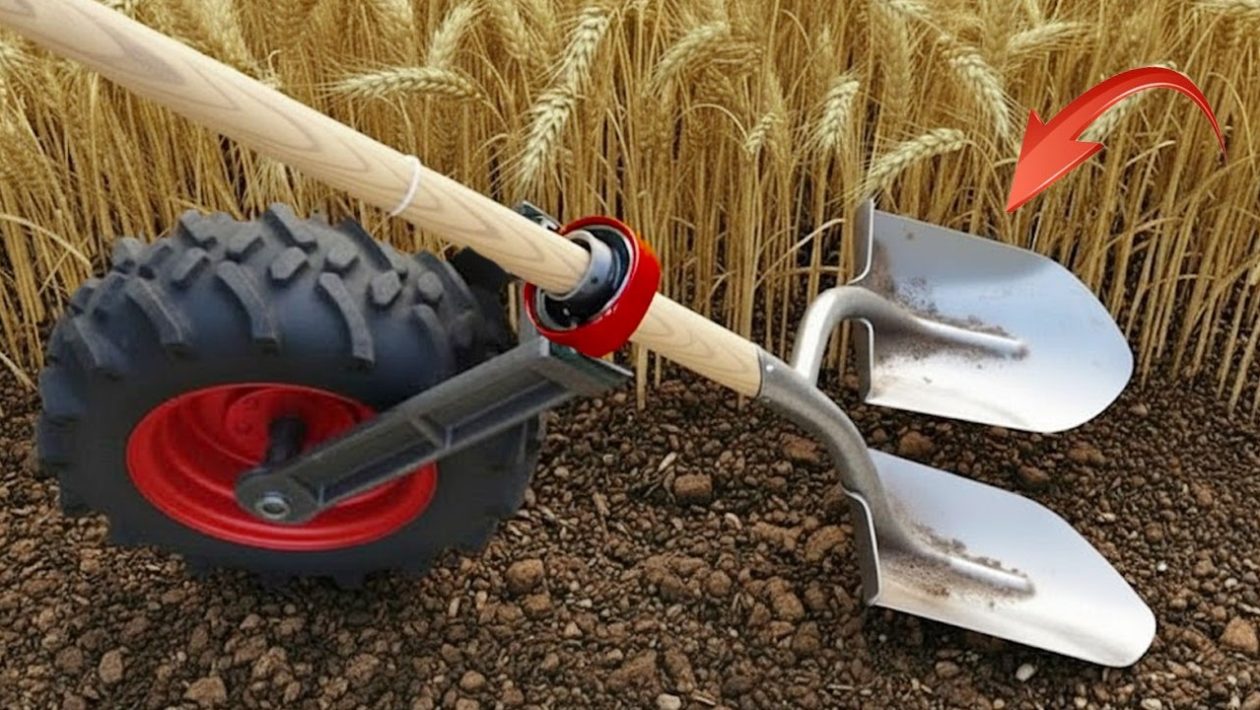
Custom tools solve specific mechanical problems that off-the-shelf equipment cannot handle. A repurposed shovel can become a heavy-duty concrete scraper, a customized root extractor, or a leverage bar for automotive mechanics.
Building tools from scrap also develops critical fabrication skills. It forces builders to think creatively about geometry, leverage, and material limits.
A discarded shovel holds tremendous potential for any builder willing to put in the work. It simply takes a cutting wheel and a welder to unlock it.