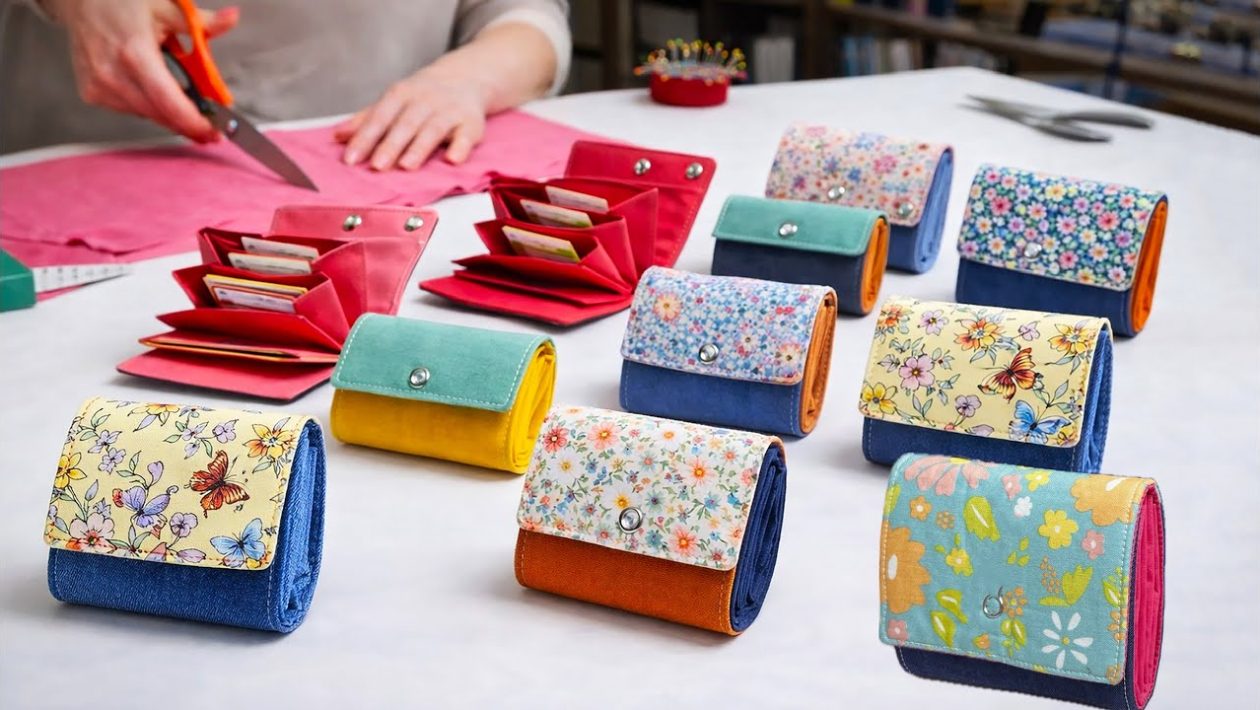
Every sewing enthusiast knows the struggle of the overflowing scrap bin. After finishing a major project, you are inevitably left with offcuts that seem too small to use but too beautiful to throw away.
Those leftover textiles hold massive potential. With just a basic straight stitch and a little creativity, you can turn a disorganized pile of scraps into practical, everyday items.
Why Scrap Busting Makes Sense
Using leftover material is the ultimate form of sustainable crafting. It keeps usable textiles out of landfills while maximizing the return on your initial fabric investments.
Scrap projects are also incredibly forgiving. They offer a low-pressure environment for beginners to practice tension control, seam allowances, and machine handling without risking expensive yardage.
Top Projects for Small Fabric Pieces
You do not need advanced skills or special tools to create something useful. Small offcuts are perfect for crafting items you use around the house or carry in your bag every day.
- Zipper Pouches: Perfect for holding cosmetics, pencils, or travel cords.
- Quilted Coasters: Protect your wooden furniture while utilizing tiny cotton squares.
- Fabric Key Fobs: A highly durable and easily giftable accessory that requires only a strip of fabric, interfacing, and a metal D-ring.
- Tote Bag Accents: Use larger scraps to create sturdy exterior pockets for canvas bags.
Prepping Your Materials
Organization is the secret to successful scrap sewing. Before starting any project, dump your scrap bin and sort the pieces by weight and fiber content.
Never mix a heavy canvas with a lightweight silk in a structural project. Stick to similar weights, like 100% quilting cottons, to ensure your final piece sits flat, wears evenly, and survives the washing machine.
Press everything with a hot iron. A crisp, flat scrap is much easier to measure and cut cleanly with a rotary cutter or fabric shears.
The Simple Assembly Process
The easiest way to utilize irregular scraps is through an improvisational patchwork method. Simply take two pieces of fabric, place them right sides together, and sew a straight quarter-inch seam.
Press the seam open, then grab another scrap and attach it to the newly created block. Repeat this process until you build a piece of “new” fabric large enough to fit your desired pattern.
Once your patchwork panel reaches the right dimensions, treat it exactly like standard yardage. Cut out your pattern pieces, add some lightweight fusible interfacing for structure if needed, and assemble your final item.
Handmade scrap items also perform exceptionally well at local craft fairs and online marketplaces. Because the material cost is practically zero, any sales you make translate almost entirely to pure profit.