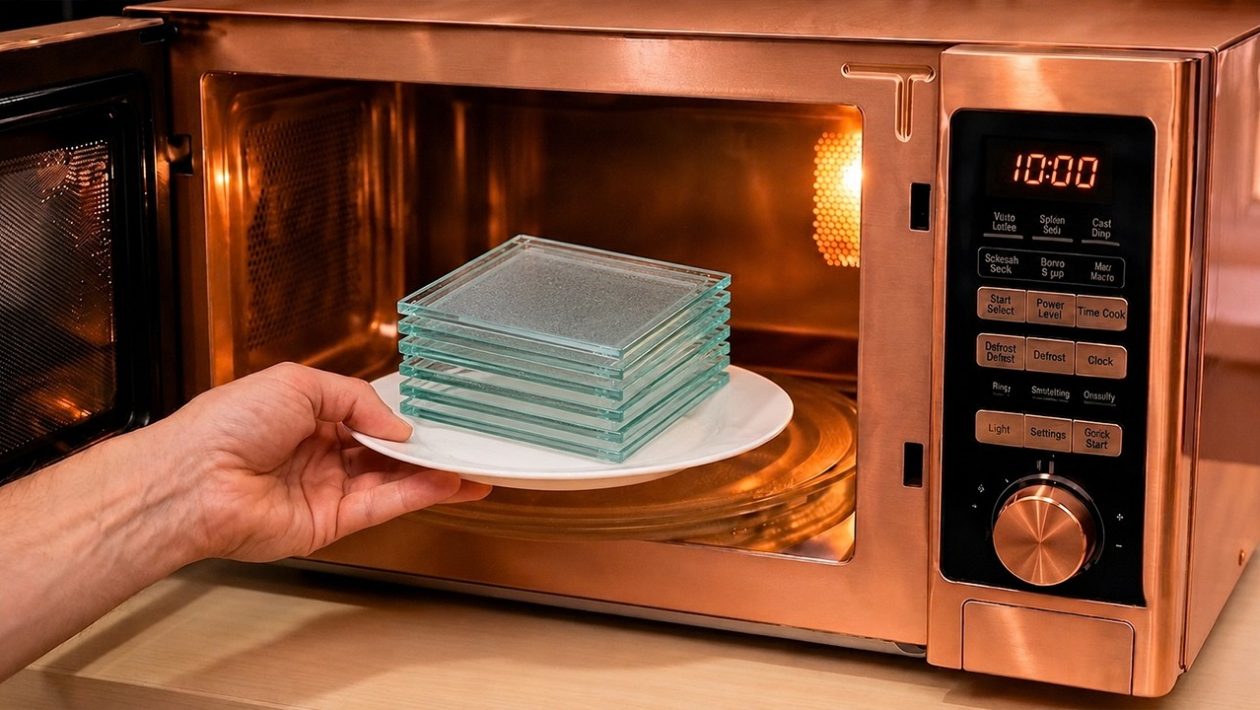
The Truth About Microwaving Glass
The internet is full of claims about tossing broken glass into a household microwave to create DIY art. While the core concept is real, the execution is often misunderstood.
Glass is largely transparent to microwave radiation. If you place a shattered bottle directly on a microwave turntable, nothing happens.
To actually melt and fuse broken glass at home, you need a specific, inexpensive tool that transforms your appliance into a miniature furnace.
The Secret is the Microwave Kiln
The trick relies entirely on a device called a microwave kiln. This is a small, cylindrical container made of ceramic fiber.
The magic happens inside its lid. The interior is coated with a susceptor material, which absorbs microwave energy and converts it into extreme heat.
While the microwave stays relatively cool, the inside of the kiln quickly reaches temperatures up to 1,650 degrees Fahrenheit. This is more than enough to melt glass shards into smooth, fused beads or pendants.
How the Fusing Process Works
Turning sharp shards into safe, decorative pieces requires careful preparation. First, you must clean the broken glass thoroughly to remove any adhesives or impurities.
Next, a piece of specialized kiln paper goes on the base of the kiln. This prevents the molten glass from permanently sticking to the ceramic floor.
Arrange the broken glass fragments on the paper. You can stack different colors or shapes, keeping the overall footprint small to ensure even heating.
Firing and Cooling
Place the closed kiln into the microwave and set it to high. The exact time depends on the wattage of your appliance and the size of the glass, but it typically takes between three to five minutes.
You must monitor the kiln closely. A glowing orange light will eventually become visible through the small vent hole in the top of the kiln, indicating the glass has reached a molten state.
Once melted, the cooling phase is critical. If glass cools too quickly, thermal shock will cause it to shatter.
Leave the kiln closed and untouched for at least 30 to 45 minutes to allow the glass to anneal safely.
Crucial Safety Rules
Fusing glass at home carries serious risks if done carelessly. You are dealing with temperatures capable of causing severe burns or starting a fire.
Always wear heavy-duty, heat-resistant gloves and safety glasses when handling the kiln.
Never use your primary kitchen microwave for this project. The firing process can release toxic fumes from colored glass, kiln wash, or unseen adhesives. Always buy a cheap, secondhand microwave dedicated exclusively to workshop projects and use it in a well-ventilated area.