The Rise of Extreme Eco-Plumbing
Standard bathroom fixtures are no longer the only option for off-grid homes and eco-conscious builders. A growing trend in DIY plumbing involves constructing fully functional toilets entirely from PVC pipes.
Taking the concept a step further, innovative builders are integrating small-scale fish farming systems directly into the toilet’s water reservoir. The idea sounds bizarre, but it relies on basic fluid dynamics and standard hardware store materials.
Constructing the PVC Foundation
Polyvinyl chloride (PVC) is the backbone of modern residential plumbing, though it is rarely used to construct the fixture itself. By utilizing thick-walled 4-inch PVC drainage pipes, builders can construct a custom toilet bowl, trap, and pedestal.
Standard PVC pipe fittings allow the custom design to integrate seamlessly with existing home wastewater lines. The plastic material is naturally waterproof, highly durable, and easily sanitized.
How the Fish Farming Tank Works
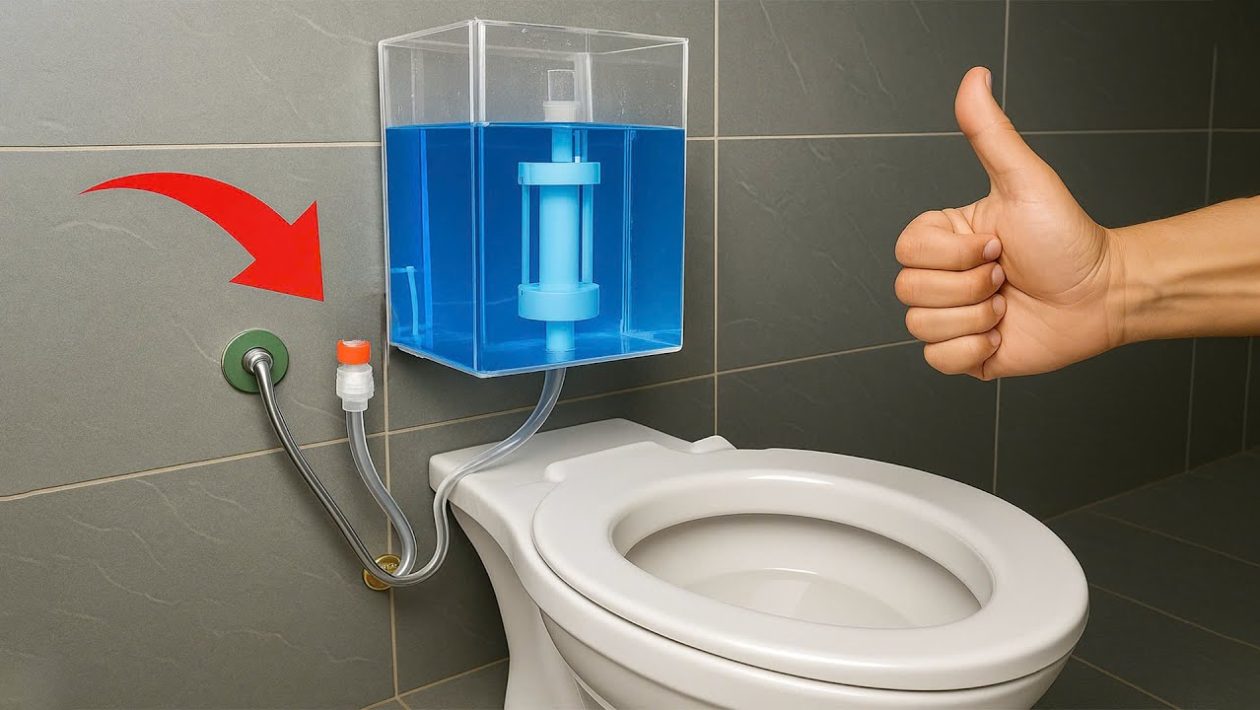
The most radical element of this DIY build is the flushing reservoir. Instead of a standard opaque porcelain tank, the system utilizes a customized tank that doubles as a mini aquaculture environment.
Clean water fills the reservoir, providing a habitat for hardy freshwater fish. When the toilet is flushed, a controlled volume of this water is released into the bowl below to clear the waste.
An internal baffle and fine mesh screen prevent the fish from being pulled into the flush valve. As the flush completes, the mechanical float drops, and the tank automatically refills with fresh water.
Technical Challenges and Filtration
Maintaining a healthy environment for the fish inside a plumbing fixture requires strict water management. Chlorine and chloramine found in standard municipal tap water are highly toxic to aquatic life.
To solve this, the incoming water line must be routed through a heavy-duty inline carbon filter before it enters the tank. The reservoir also requires a dedicated air stone to maintain safe oxygen levels for the fish between flushes.
The structural integrity of the PVC joints is equally critical. Every load-bearing connection must be heavily primed and permanently welded with industrial PVC cement to handle the combined weight of the water and the user.
Rethinking Water Sustainability
Combining a toilet with a fish tank is more than an experimental plumbing hack. It visually connects daily water usage with a living ecosystem, forcing users to rethink household water consumption.
The organic fish waste generated in the upper tank acts as a natural biological additive as it flushes down the drain. For homes utilizing off-grid septic systems or methane digesters, this added biological material can actually improve the breakdown of solid waste.