The Unexpected Utility of Boiled Cellulose
Boiling toilet paper sounds like a bizarre internet prank. In reality, it is a highly effective, decades-old technique used by artisans to manufacture bulk paper clay.
Hot water rapidly dissolves the weak adhesive bonds in commercial tissue. This process reduces standard rolls into a fine, clump-free cellulose pulp.
When mixed with basic binding agents, this cheap pulp transforms into a versatile sculpting medium. Crafters use it to create high-end home decor, textured canvas art, and custom sculptures.
The Paper Clay Recipe
Transforming raw tissue into a workable medium requires just a few standard household and hardware supplies.
- Toilet paper: Cheap, single-ply paper breaks down the fastest.
- Water: Used to boil and dissolve the fibers.
- PVA Glue: Standard white wood glue or craft glue acts as the primary binder.
- Joint Compound: Standard drywall mud gives the clay its smooth, sandable texture.
The Extraction Process
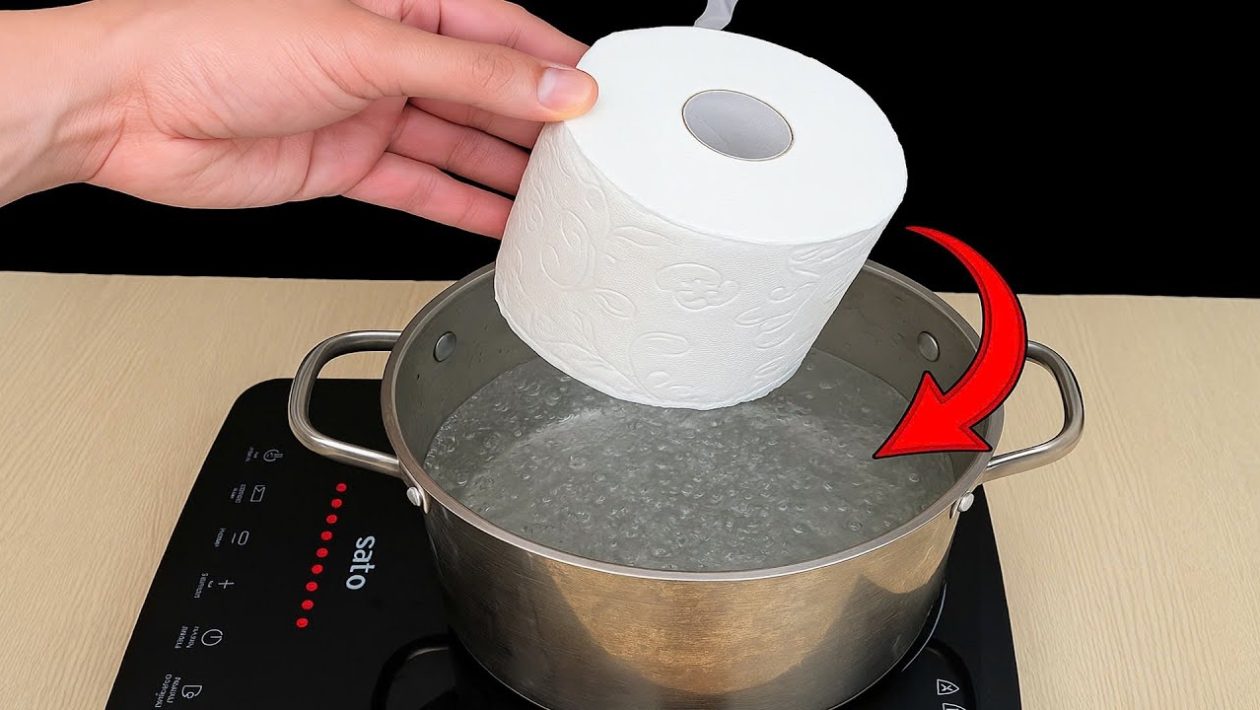
The process begins by removing the cardboard core from the toilet paper roll. The paper is then submerged in a pot of boiling water.
The heat forces the paper to disintegrate almost immediately. Once the paper breaks down into a thick slurry, the heat is turned off, and the mixture is left to cool.
The most critical step is moisture extraction. The wet pulp is poured into a cheesecloth or a fine mesh strainer. Crafters must squeeze out as much water as physically possible until the pulp resembles dry, crumbly flakes.
Mixing the Medium
The dry pulp is transferred to a mixing bowl. PVA glue and joint compound are added in equal parts to the paper base.
Kneading the mixture by hand integrates the ingredients. The resulting compound is a smooth, highly malleable paper clay that mimics commercial air-dry clay.
Turning Pulp Into Profit
The financial appeal of this DIY medium lies in its extreme cost efficiency. A batch of paper clay large enough to sculpt a massive decorative vase costs only a few dollars to produce.
Artisans utilize this material to mimic heavier, more expensive mediums like ceramic, stone, or carved wood. Once the paper clay dries, it becomes incredibly rigid and lightweight.
The cured material can be sanded to a glass-like finish, carved with rotary tools, and painted with standard acrylics. Finished pieces, ranging from minimalist textured wall art to complex cosplay props, are highly marketable.
Sellers frequently list these handmade pieces on digital marketplaces or offer them at local craft fairs. By keeping raw material overhead strictly tied to toilet paper and hardware store staples, the profit margins on the finished art remain exceptionally high.