The political bloodbath of the mid-terms is officially here, and the casualty list is already piling up. If you look under the hood of this week’s election results, one thing is blindingly obvious: crossing the party boss right now is career suicide. But while a hard-right pivot might win you the nomination in May, it is creating a massive, glaring vulnerability for the general election in November.
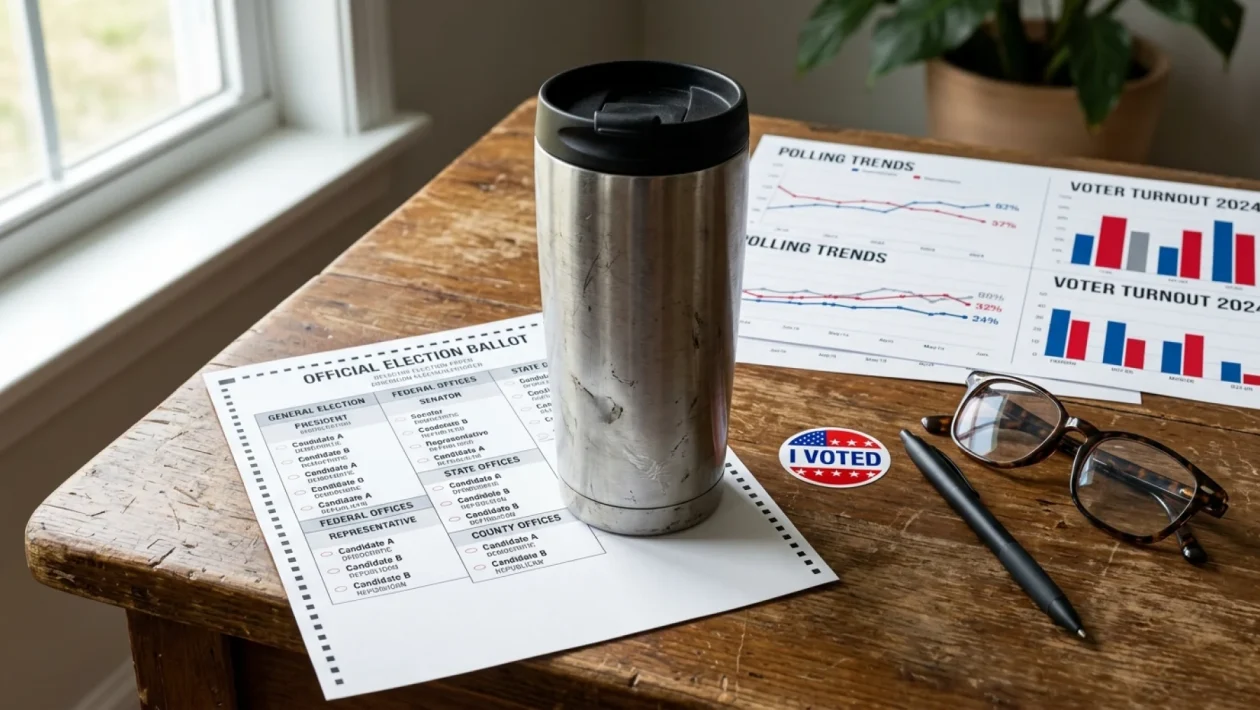
Sitting here this morning, staring at the latest polling data while clutching my beat-up Yeti travel mug, the reality of the situation is staggering. Candidates are blowing through cash at unprecedented rates just to survive their own party. In fact, a jaw-dropping $33 million was spent on TV ads just to take down Rep. Thomas Massie in Kentucky, making it the most expensive House primary in American history.
Let’s break down exactly what the headline promises and look at the gears driving this chaotic election cycle.
Trump’s Vengeance Tour
The former president made it crystal clear that he is still the undisputed alpha dog of conservative politics. His endorsement record this spring isn’t just a winning streak; it is a calculated house-cleaning operation.
Thomas Massie is out in Kentucky, replaced by Ed Gallrein, a Navy SEAL whom Trump enthusiastically backed. Down in Louisiana, Senator Bill Cassidy lost his seat over the weekend. And in Georgia, Secretary of State Brad Raffensperger—the man who famously refused to “find” votes in 2020—didn’t even make it to a runoff.
The message to rank-and-file politicians is brutal but effective. You either fall in line with the MAGA agenda, or you pack your bags. But winning a primary is like winning a drag race; the general election is an endurance rally over broken glass.
Swing State Survival Tactics
Here is the mechanical flaw in the current primary strategy. The exact rhetoric needed to win a conservative primary in a purple state like Georgia or Pennsylvania is highly toxic to independent swing voters.
Right now, Trump’s economic approval ratings among moderates are sitting in the 30s. If front-line candidates want to survive the autumn chill, they have to execute a flawless pivot. Out in Pennsylvania’s 7th District, Republican Rep. Ryan Mackenzie is trying to do exactly that against Democrat Bob Brooks.
If a candidate wants to survive the jump from a radicalized primary to a moderate general election, they have to follow a very specific playbook:
- Secure the Base: Lean heavily into cultural issues and secure the highly coveted MAGA endorsement to survive the spring.
- Pivot to the Wallet: Immediately transition the messaging in June to kitchen-table economics, focusing entirely on inflation, tax cuts, and local job growth.
- Dodge the Traps: Avoid nationalizing the race and keep the opponent on the defensive regarding corporate greed and working-class struggles.
When you put the two election phases side-by-side, the contrast is stark.
| The Primary Election | The General Election |
|---|---|
| Requires extreme partisan loyalty and massive early ad spend. | Requires independent appeal and localized, economic messaging. |
| Voters prioritize cultural issues and party purity. | Voters prioritize grocery prices, inflation, and stability. |
“When a candidate swings too hard to the fringes in May, they often find themselves completely alienated from the suburban swing voter by November. You simply cannot pay your autumn rent with spring primary votes.” – David Winston, Senior North American Electoral Strategist
The Texas Wildcard
Just when the political mechanics thought they had the engine tuned, Trump threw a massive wrench into the gears down in Texas. Everyone expected him to endorse incumbent Senator John Cornyn to avoid a messy runoff.
Instead, Trump flipped the script and threw his weight behind controversial Attorney General Ken Paxton. This single move has completely altered the electoral map for November.
By backing the uber-MAGA Paxton against Cornyn, Trump has forced the GOP to back up a massive money truck to defend a Texas Senate seat that should have been an easy win. Democrat James Talarico is waiting in the wings, and while a Democrat hasn’t won statewide in Texas since 1994, Paxton’s polarizing nature puts the Lone Star state officially in play.
Frequently Asked Questions
Why did an incumbent like Thomas Massie lose so badly?
Massie became a vocal thorn in Trump’s side, and in today’s political climate, that makes you a target. Combined with a staggering $33 million opposition ad blitz, he simply couldn’t survive the financial and political onslaught from his own party.
Is the Pennsylvania 7th District really that important?
Absolutely. It is the ultimate bellwether district. The way working-class voters react to the “kitchen-table” economic messaging there will serve as a massive indicator for how the entire Rust Belt will vote in the next presidential cycle.
Can Democrats actually win the Senate seat in Texas?
It remains a steep uphill battle. However, Ken Paxton is a highly controversial figure with plenty of baggage. If suburban Texas voters reject his extreme primary rhetoric, the GOP will have to spend millions of defensive dollars that they desperately wanted to spend elsewhere.
🤝 Thank you for reading! Navigating the mechanics of North American politics can feel like trying to rebuild a transmission in the dark.
💡 I hope this breakdown gave you some clarity on how the primaries are actually shaping the battles we will see this November.
📱 Share your thoughts with me on social media or grab a coffee at Tim Hortons and debate it with your neighbors.
👇 Good luck out there, stay informed, and always look past the headlines to see how the political engine is truly running!