Used coffee grounds are highly praised as a free fertilizer for houseplants. But dumping them into an orchid pot is a massive gamble that usually ends in disaster.
The success of this garden hack depends entirely on the specific type of orchid you own and how the coffee is prepared. Getting it wrong will cost you the plant.
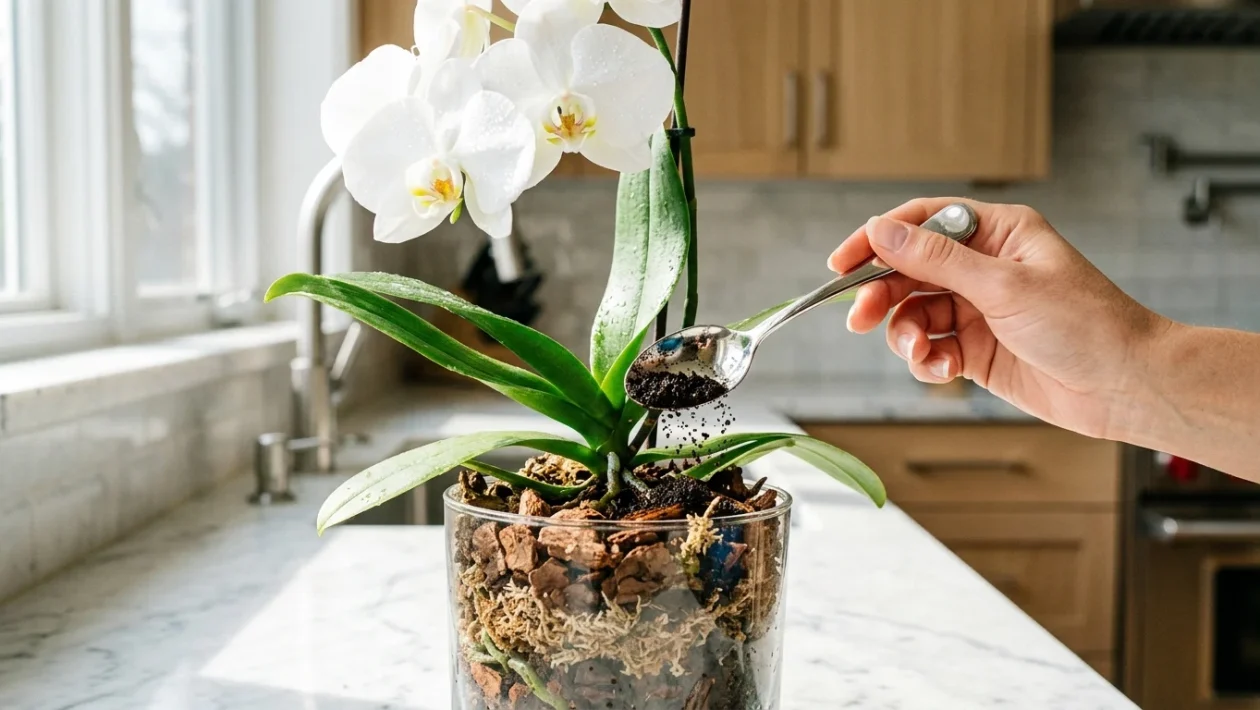
Coffee grounds and a potted orchid
The Coffee Acidity Myth
Internet advice frequently claims acid-loving plants thrive on coffee waste. This logic falls apart quickly upon testing.
Brewing extracts the water-soluble acids into your cup, leaving the spent grounds close to neutral with a pH between 6.5 and 6.8. Used grounds will not acidify your orchid’s medium.
They do, however, contain roughly 2 percent nitrogen by weight. They also carry trace amounts of potassium, magnesium, and organic matter.
Not All Orchids Are the Same
The core problem with the coffee trick is treating all orchids identically. Moth orchids (Phalaenopsis), Cattleyas, Dendrobiums, and Vandas are epiphytes.
In their natural wild habitat, epiphytic orchids cling to tree bark with their roots exposed to moving air. These roots feature a spongy outer layer called velamen, which absorbs water rapidly and must dry out completely afterward.
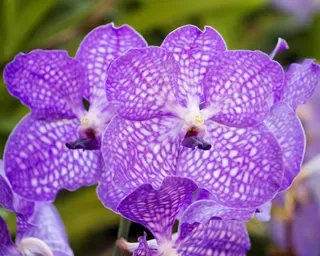
An epiphytic orchid growing in coarse bark mix
Commercial orchid bark mimics this airy, elevated environment. Providing nutrition is not its primary purpose.
Terrestrial orchids follow completely different rules. Hardy ground orchids like Bletilla striata, which thrive outdoors in USDA zones 5 to 9, grow directly in ordinary soil. Lady’s slippers (Cypripedium) and ladies’ tresses (Spiranthes) also root in dirt, where they naturally interact with decomposing organic matter.
Why Raw Grounds Destroy Bark Mix
Wet coffee grounds behave like dense silt. If you sprinkle them into a pot of chunky orchid bark, the particles wash down and permanently seal the necessary air gaps.
This blockage traps moisture, creating an oxygen-starved environment where roots rot from the outside in. Premium blends, like Rosy Soil mix, specifically rely on coarse materials like biochar and mycorrhizae to maintain airflow. Clogging that structure defeats its engineering.
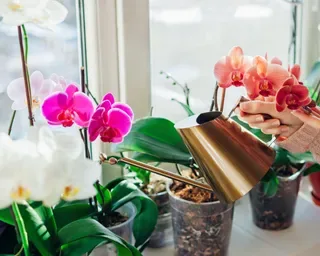
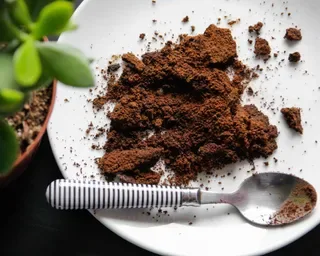
Used coffee grounds
Once the gaps pack with wet coffee, pests quickly follow. Fungus gnats (Bradysia species) breed rapidly in the damp sludge.
Within a few weeks, fuzzy white mold will usually colonize the surface. Furthermore, residual caffeine is known to stunt root growth in various plant species, presenting an unnecessary toxic risk to delicate orchid roots.
The Safe Route: Composting First
If you grow terrestrial orchids in soil, coffee grounds can be beneficial—but only if you compost them first. Throwing fresh grounds directly on top of dirt triggers a temporary nitrogen deficiency.
Soil microbes will aggressively consume all available nitrogen to break down the fresh carbon. This starves the orchid just when it needs to put on growth, often costing you an entire season of flowering.
Instead, mix the wet grounds with brown materials like shredded cardboard or dry leaves. Let the pile break down in a dual-chamber tumbler for about six months.
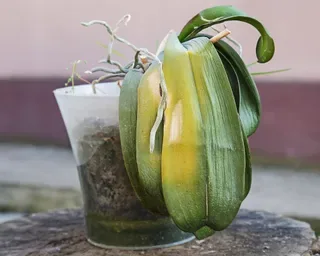
Checking orchid roots for signs of health
Spotting the Damage
Your potting medium will sound the alarm if coffee grounds are suffocating your plant. Bark that remains wet for several days after watering has lost its drainage capacity.
A sour, fermented smell coming from the pot or a sudden flush of dark flies both point to severe trouble. At this stage, repotting the orchid into fresh medium is your only real option.
The ultimate verdict lies in the roots. Healthy orchid roots look plump and silvery-green when damp. Drowned roots turn soft, brown, and collapse entirely under light pressure.
Stick to Specialized Fertilizer
Orchids grown in bark fundamentally lack the complex soil bacteria necessary to break down natural waste like coffee grounds or organic urea.
This is exactly why high-quality, specialized fertilizers—like Better-Gro Orchid Plus 20-14-13—are engineered to be completely urea-free.
For potted epiphytes, apply a weak, water-soluble fertilizer at every other watering. Flush the pot occasionally with plain water to clear salt buildup, and keep the kitchen waste strictly in the compost bin.