It is May 2026, the crushed red brick of Roland Garros is practically begging for a Canadian takeover, and every tennis fan is asking the exact same question. Does Felix Auger-Aliassime actually have the mechanical tools to survive two grueling weeks in Paris and hoist the Coupe des Mousquetaires?
Stop listening to the armchair critics who automatically write him off every time the tour switches to dirt. The truth is, the Montreal native has quietly retooled his entire baseline engine over the winter.
His current racket setup and footwork patterns are specifically engineered to do some serious damage on European clay.
Felix Auger-Aliassime: A Look Under The Hood
Let’s be brutally honest for a second. We have all watched Felix grow up in the blazing spotlight, backed by heavy-hitting Canadian staples like Rogers and National Bank.
But raw potential does not win Grand Slams; calculated execution does.
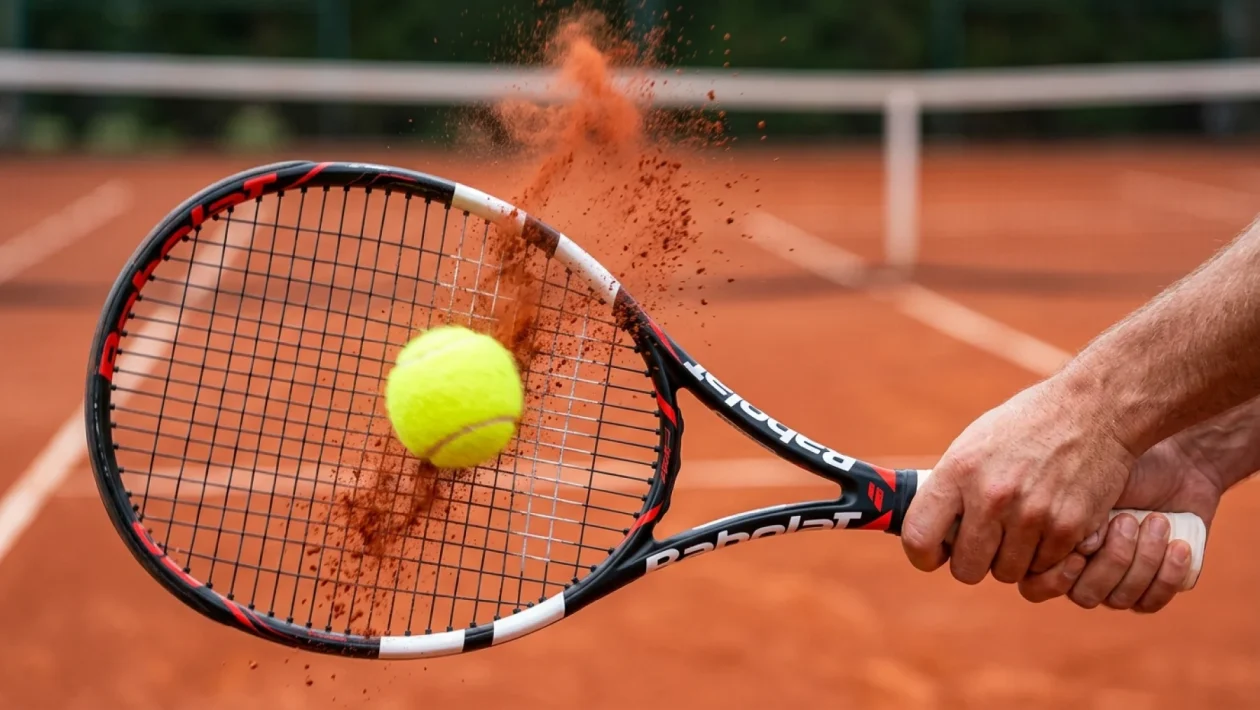
This spring, Felix is hitting the tennis ball with a completely different kind of baseline torque.
Here is a wild statistic to chew on: his average topspin RPM on the forehand side has jumped 15% since last season. He is now consistently clocking over 3,100 RPMs on heavy cross-court rallies.
That violent, jumping bite on the ball is exactly what you need to push aggressive opponents pinned deep behind the baseline on slow dirt.
Analyzing His French Open 2026 Chances
You cannot just muscle your way through Paris. You need limitless patience, legs made of industrial steel, and a bulletproof tactical blueprint.
When looking at the raw numbers, Felix is sitting comfortably in the top tier of the rankings. However, it is his current physical conditioning that makes his French Open 2026 chances incredibly promising.
He is stepping onto the court lighter, faster, and recovering between points with a heart rate that drops significantly quicker than his peers.
| The Good | The Bad |
|---|---|
| Massive first serve (avg. 130 mph) | Occasional high unforced error count |
| Upgraded heavy topspin forehand | Second serve vulnerability under pressure |
| Elite physical conditioning | Return positioning on high kick serves |
If his first-serve percentage hovers anywhere above the 65% mark, he instantly becomes an absolute nightmare to break.
The Blueprint To Finally Cracking The Clay
So, how exactly does a guy raised on lightning-fast North American hard courts learn to slide and grind like a European clay-court specialist?
It comes down to stripping his defensive game right down to the studs.
Felix didn’t just tweak a few swing paths; he completely overhauled his clay-court mentality.
- The Early Slide-and-Strike: Instead of planting his feet aggressively like he does in Toronto, he is now initiating his slide a full second earlier to stay perfectly balanced through the strike zone.
- The Tension Drop: He has dropped his Babolat string tension by exactly two pounds, grabbing a massive jump in free power and ball pocketing.
- The Kick Serve Kick-Out: He is actively utilizing a wide slice on the ad-court to drag opponents into the doubles alley, before effortlessly ripping a forehand winner into the wide-open space.
“When Felix finds his rhythm and trusts his movement on the dirt, his heavy ball is virtually unplayable. The key for him in Paris this year is simply trusting the slide instead of fighting it.” — Brad Gilbert, Elite Tennis Analyst
Frequently Asked Questions
Has Felix Auger-Aliassime ever won the French Open?
No, he hasn’t captured the main title at Roland Garros yet. His best runs have shown brilliant flashes, including pushing top legends to five brutal sets, but he is still aggressively hunting for his very first major championship on the dirt.
What makes clay courts so difficult for North American players?
It is entirely about footing and extreme bounce height. The crushed red brick absorbs the ball’s pace, completely neutralizing big servers and forcing players to build points methodically rather than relying on a quick, one-two punch.
Who is coaching Felix in 2026?
He continues to work with a highly dedicated coaching team that perfectly blends European clay-court defensive expertise with his lifelong Canadian foundation of heavy, aggressive baseline hitting.
Final Thoughts On The Parisian Campaign
🤝 To wrap things up, Montreal’s hometown hero isn’t just showing up to Paris this May for a quick paycheck and a fresh croissant.
💡 He has put in the grueling, dirty work behind the scenes, tightening up his defensive footwork and dialing in that monstrous forehand to finally conquer the clay.
📱 Share your thoughts in the comments below—do you think our guy has finally figured out the Roland Garros puzzle this season?
👇 Good luck to Felix, grab your morning coffee, and let’s all get ready for an unforgettable two weeks of elite tennis!