The Mastery of Japanese Blade Care
Japanese kitchen knives carry a fearsome reputation for precision. The traditional santoku, for instance, translates to its three key uses—slicing, dicing, and mincing—across meat, fish, and vegetables.
While these tools are engineered for flawless execution, their longevity relies entirely on meticulous maintenance. The way you handle knife storage dictates how long that legendary edge will survive in your kitchen.
Leonard Tanyag, executive head chef at Los Mochis, understands this discipline intimately. Over a 20-year career spanning high-profile kitchens like Nobu, Zuma, and Juno Omakase, Tanyag has mastered the art of Japanese culinary philosophy.
Here are the fundamental Japanese rules to implement for your own kitchen knives.
1. Ban the Loose Drawer
A kitchen setup showing knives safely stored away from cluttered drawers.
“Japanese blades are particularly fine and sharp, so allowing them to knock against other utensils can chip or dull the edge,” Tanyag warns.
Throwing precision steel into a chaotic drawer is a fast track to ruining the blade. Instead, Tanyag recommends relying on dedicated storage systems.
“Consider using a sleek wooden knife block, a magnetic rack, or even an individual blade guard to keep them protected,” he advises.

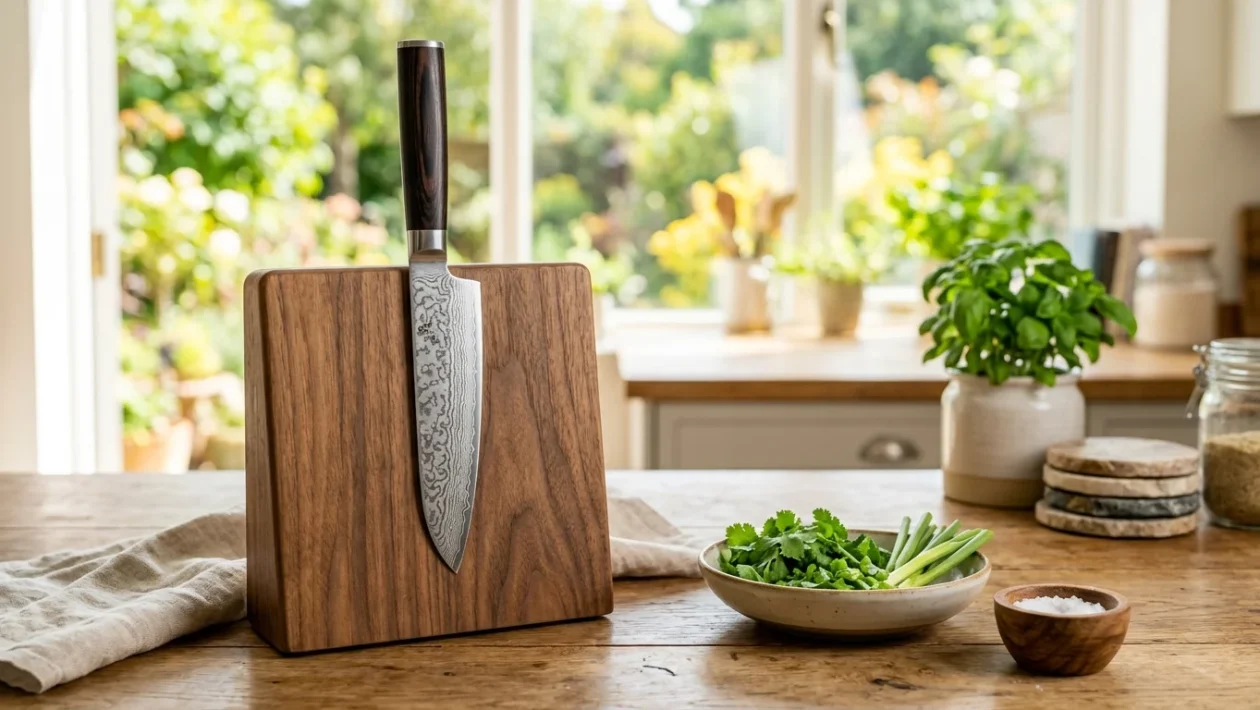
The Kai Stonehenge 2 Pillar Walnut Knife Block.
2. Embrace the Traditional Saya
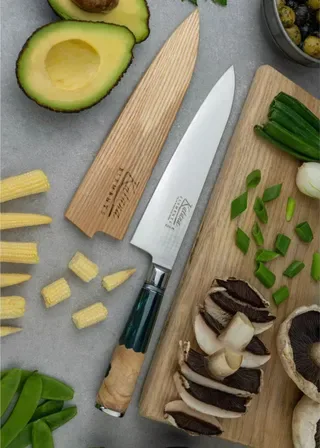
A traditional wooden saya resting next to a kitchen knife.
The saya is a fitted wooden sheath traditionally used to guard Japanese steel. It is the gold standard for protecting the blade without damaging the edge.
“It shields the blade without pressing against the cutting edge and is particularly useful if the knife needs to be stored in a drawer or transported,” Tanyag explains.
Finding a perfectly sized saya for an older knife can be difficult. If you are upgrading your collection, look for sets that include these custom wooden covers by default.
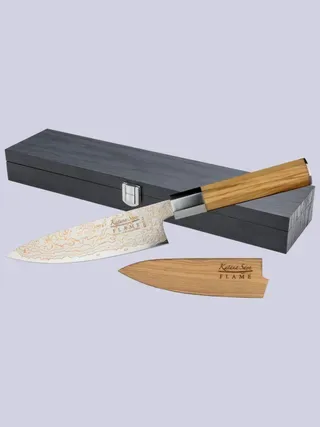
The Katana Saya Flame 15 cm Chef’s Knife with a matching sheath.
3. Ditch Leather for Long-Term Storage
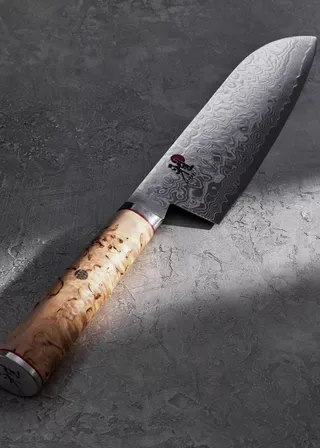
A professional Japanese chef’s knife kept in pristine condition.
Leather knife rolls look professional, but they are designed strictly for transit, not permanent storage.
“Leather can retain moisture, so it is better suited to transporting knives than storing them for extended periods,” Tanyag notes.
Trapped moisture leads directly to rust. For everyday home storage, breathable wood remains the superior material.
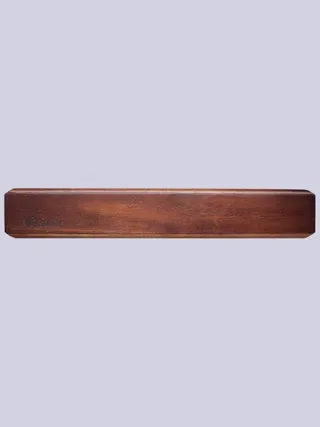
A MITSUMOTO SAKARI Japanese Knife Rack.
4. Secure Without Pressure
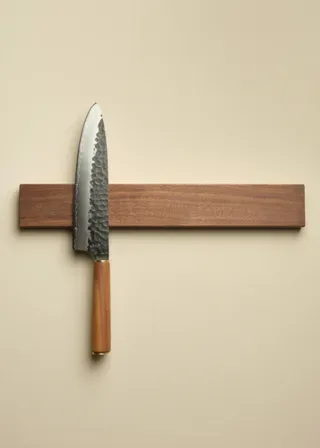
A knife mounted on a wooden magnetic stand.
Accessibility should never come at the cost of the blade’s integrity. How the knife rests on its display matters immensely.
“A knife should sit securely without pressure on its edge,” says Tanyag.
Magnetic stands or wall-mounted bamboo blocks offer easy access while ensuring the blade’s sharpest point makes zero contact with hard surfaces.
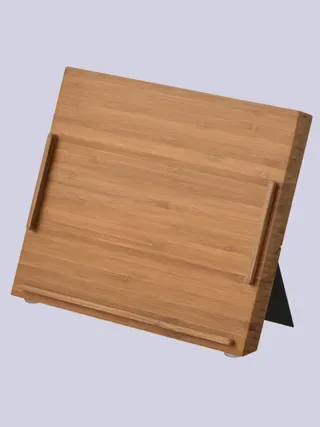
The IKEA SPJUTFISK magnetic bamboo knife holder.
5. Bone-Dry Storage Only
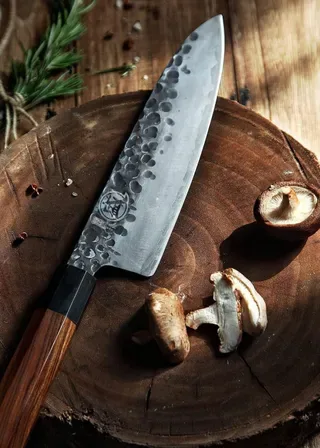
Cleaned and thoroughly dried kitchen knives ready for storage.
In a professional Japanese kitchen, returning a wet knife to its block is an unforgivable error. Water is the immediate enemy of high-quality steel.
“It’s important to immediately dry your knives after washing,” Tanyag says. “This is especially essential for carbon-steel knives, as any moisture left on the blade can lead to rust or discolouration.”
Keep microfiber cloths stationed by the sink. If you use an architectural holder, always store the knives with the slicing side facing up to protect the edge.
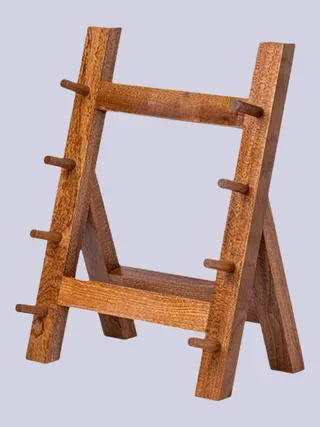
A Japanese-style 4-layer salmon knife holder.