The Reverse Meal Plan
Most home cooks start their weekly meal prep backwards. They write down recipes, make a grocery list, and force ingredients into a schedule.
Letting your garden dictate the menu flips this routine. Instead of wandering supermarket aisles, your meal planning starts by stepping into the backyard to see what the soil is offering right now.
This approach eliminates food waste and guarantees peak freshness. If the onions are ready to pull and the herbs are exploding, they become the mandatory flavor profile for the week.
Taking the Garden Inventory
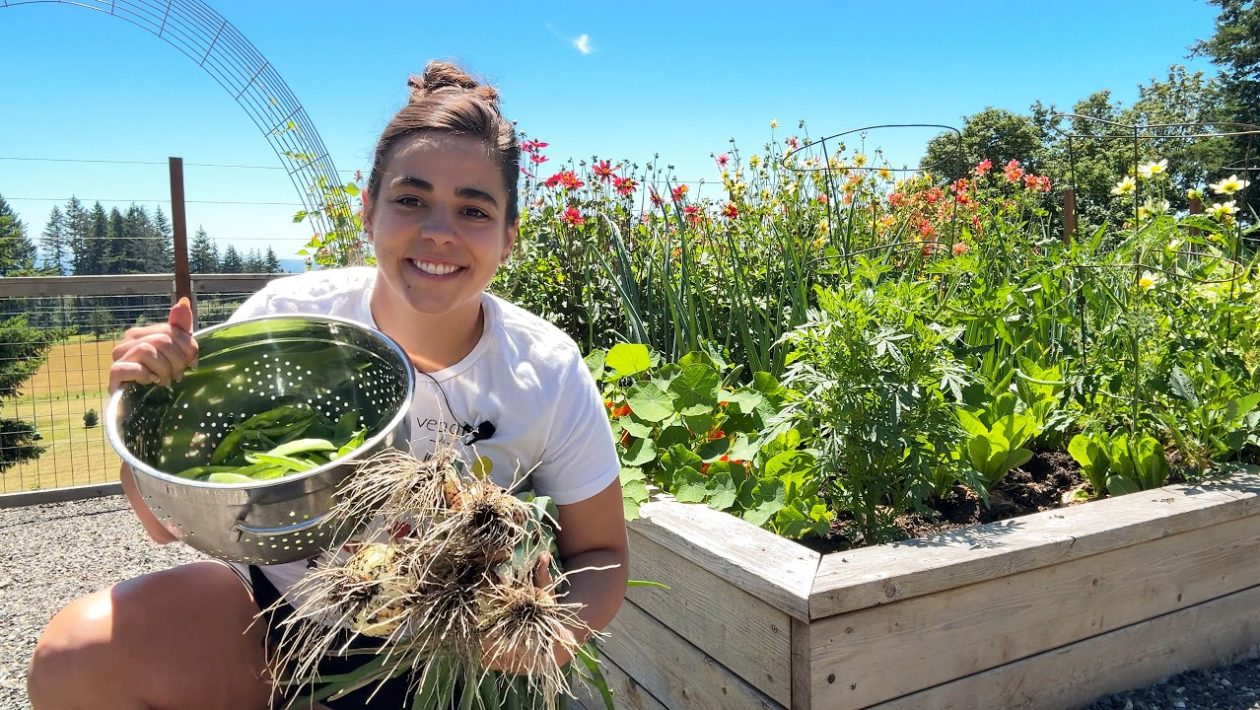
The process always begins with a harvest basket. You have to walk the rows and look for what needs to be picked immediately.
Early summer might yield fresh strawberries from vertical planters or raised garden beds. These ripe berries instantly dictate your desserts, breakfasts, or summer salads.
If you spot overgrown herbs and crisp onions, grab them. They are the ultimate foundational ingredients for building deep, savory dinners without relying on store-bought flavor packets.
Pairing with Pantry and Protein Staples
A garden harvest rarely makes a complete meal on its own. The trick to garden meal planning is marrying fresh produce with quality meats and homemade staples.
For example, fresh garden onions and chopped herbs pair perfectly with high-quality, grass-fed ground beef. A simple burger becomes a premium meal when the toppings were grown fifty feet from the kitchen.
Instead of buying highly processed hamburger buns, you can elevate the meal further by baking a batch of soft ciabatta bread rolls. The contrast between a warm, homemade ciabatta bun and fresh-picked garden toppings is unmatched.
Managing the Overflow
Sometimes the garden over-delivers. When you have more produce than you can realistically eat in seven days, you must shift from immediate meal planning to food preservation.
Dehydrators, vacuum sealers, and steam juicers are essential tools for managing a massive harvest. When the tomatoes or berries arrive all at once, you have to act fast.
Freeze-drying or canning excess vegetables ensures nothing goes to the compost bin. By preserving the surplus, you are essentially letting the summer garden plan your winter menu, too.