The Toothpaste Tank Trick
Keeping a bathroom spotless often feels like an endless battle against hard water stains, lingering odors, and slow drains. Most consumers automatically reach for harsh, expensive chemicals. However, a highly effective alternative relies on a cheap household staple you likely already own.
Standard toothpaste is engineered to break down bacteria, polish surfaces, and leave a strong, fresh scent. These identical properties make it highly effective for routine toilet maintenance.
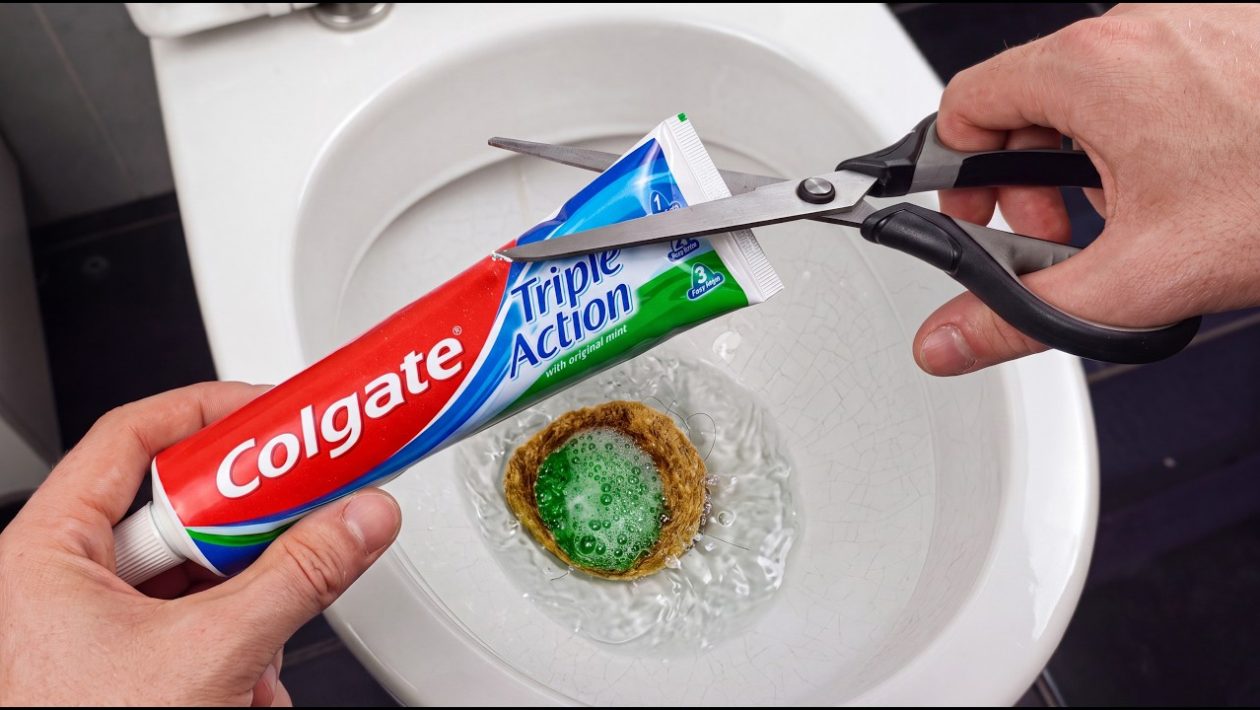
Instead of scrubbing the bowl daily, many homeowners are modifying a basic tube of toothpaste and dropping it directly into the toilet tank. The paste acts as a continuous, slow-release cleaning agent that keeps the porcelain bright and neutralizes bathroom odors with every flush.
Why Plumbers Prefer It Over Bleach
For decades, the standard consumer solution for continuous toilet cleaning has been the drop-in bleach tablet. Professional plumbers strongly advise against using them.
Concentrated bleach tablets sit in the tank water and slowly eat away at the rubber seals, flappers, and plastic components inside the toilet mechanism. This chemical corrosion inevitably leads to hidden leaks and running toilets.
Toothpaste offers a non-corrosive alternative. The mild abrasives, baking soda, and antibacterial agents found in standard pastes are gentle on plumbing hardware while still proving highly effective at fighting grime inside the bowl.
Setting Up the Slow-Release Tube
Execution requires a specific type of toothpaste. Avoid gel formulas, as they dissolve too quickly in water and lack the heavy baking soda content necessary for cleaning.
Purchase a cheap, traditional white paste from a local dollar store. Look for a brand with an aggressively strong mint profile to maximize its deodorizing power.
Take a push pin, a thick sewing needle, or a safety pin and puncture small holes on both sides of the unopened tube. Make roughly ten to fifteen holes in total. Give the tube a gentle squeeze to prime it, pushing a tiny amount of paste to the surface of the punctures.
Proper Placement and Maintenance
Remove the lid from your toilet tank and carefully drop the punctured tube into the water.
Position it in a back corner, far away from the rubber flapper valve or the metal fill chain. If the tube shifts and blocks the flapper from closing, the toilet will run continuously and spike your water bill.
As the water cycles during a flush, it washes over the tube and extracts a small dose of minty cleaner. Depending on household usage, a standard-sized tube will typically last three to four weeks before it stops dispensing.
The Salt Solution for Slow Drains
Bathroom maintenance does not stop at the toilet. Sinks are notoriously prone to sluggish draining due to a constant influx of soap scum, shaving cream, and loose hair.
Rather than waiting for a complete blockage to buy heavy-duty liquid drain cleaner, you can use common table salt as an effective preventative measure.
Salt acts as a natural desiccant and a mild abrasive. It actively breaks down the sticky, greasy residue that coats the inside of standard PVC pipes.
Executing the Salt Flush
For routine plumbing maintenance, pour half a cup of coarse salt directly down the bathroom sink drain.
Do this late at night, ensuring no one uses the sink afterward. The dry salt needs several hours to absorb the moisture and break down the greasy buildup that binds debris together inside the trap.
In the morning, bring a large kettle of water to a rolling boil. Pour the boiling water slowly and steadily down the drain.
The combination of the sharp, abrasive salt crystals and the extreme heat safely scours the pipe walls. This simple routine keeps drains flowing freely without introducing toxic, heat-generating chemicals into your home’s plumbing system.