The Hidden Potential of PET Plastic
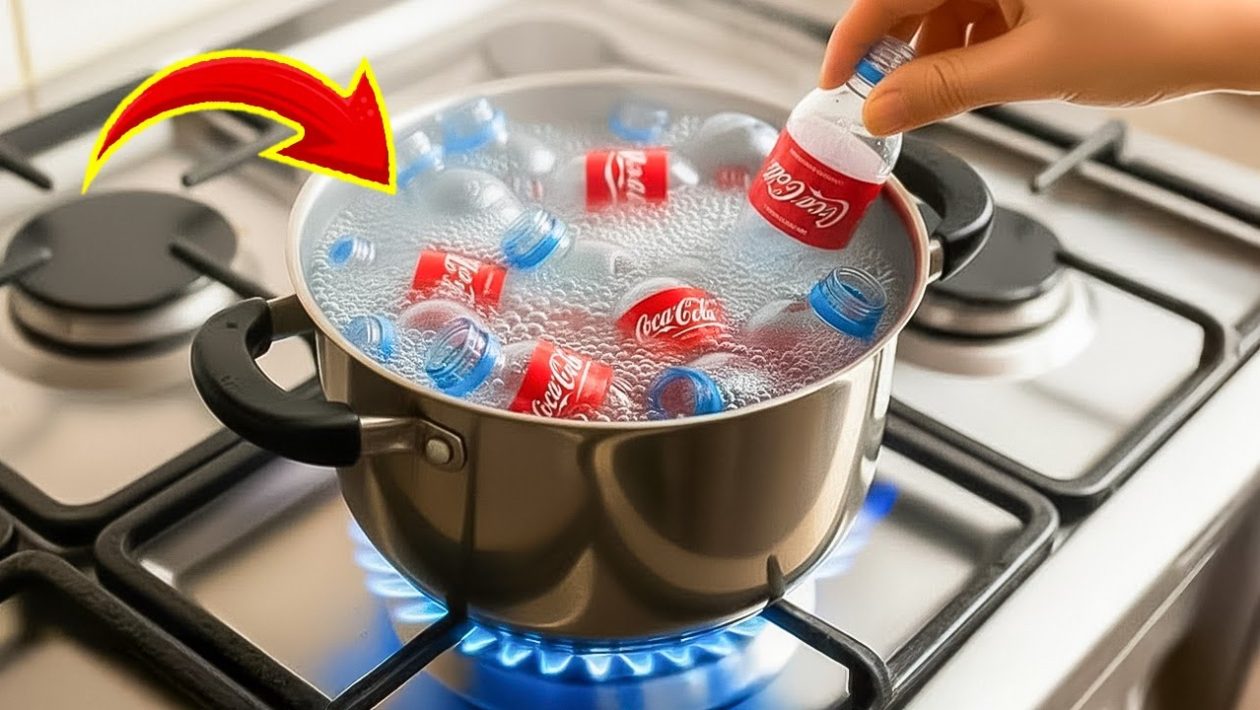
Most single-use plastic bottles are made from PET (polyethylene terephthalate). This material possesses a highly useful thermal memory.
When exposed to high heat, the plastic attempts to return to its original, denser manufactured state. It shrinks rapidly and becomes temporarily pliable.
Smart DIYers use this chemical quirk to turn everyday household trash into a highly durable, adaptable repair material.
Why Boiling Beats Open Flames
Many people try to melt plastic with lighters or blowtorches. This usually ruins the material.
Open flames easily burn the plastic, releasing toxic fumes and destroying its structural integrity. Boiling water provides a perfectly controlled thermal environment.
The temperature maxes out at 212°F (100°C). This is hot enough to soften and shrink the plastic without pushing it to a dangerous, uncontrolled melting point.
Heavy-Duty Tool Repairs
The most practical application for boiling plastic bottles is creating custom, heavy-duty shrink wrap.
If you have a broken wooden handle on a hammer, rake, or shovel, a plastic bottle can serve as a permanent fix. You simply cut a cylinder from the middle of the bottle and slide it over the splintered joint.
Pouring boiling water over the plastic causes it to instantly shrink and grip the wood. As it cools, it hardens into a rigid, custom-molded cast that binds the broken pieces together.
Proper Preparation for Reshaping
Not all plastic bottles behave exactly the same way. Soda and sparkling water bottles are pressure-rated. Their walls are thicker and shrink with significantly more force than flimsy water bottles.
Before attempting any thermal reshaping, you must prep the material. Remove the label and all adhesive residue.
Any sticky glue left on the plastic will turn into a messy, permanent smudge once the heat is applied.
Creating Industrial-Strength Cordage
Beyond simple joint repairs, PET bottles can be processed into raw binding materials. By cutting a bottle into one continuous, thin strip, you can create highly durable plastic string.
When this string is wrapped tightly around a joint—like lashing two PVC pipes or wooden dowels together—and treated with boiling water, it shrinks.
The resulting tension is massive. This thermal-locking bond is often stronger than standard nails, screws, or traditional rope.
The Real Value of Upcycling
Online communities occasionally claim you can “make millions” with this method. While that is a massive exaggeration for the average homeowner, the financial principles hold up.
Replacing a quality garden tool at the local hardware store costs anywhere from $20 to $50. Fixing it for free with a discarded soda bottle keeps that cash in your pocket.
On a larger scale, artisans and small manufacturing businesses are already using this exact thermal-shrinking technique. They upcycle waste plastic to manufacture highly durable brooms, outdoor furniture, and construction bindings for a profit.
Safety Rules for Thermal Reshaping
Even though boiling water is infinitely safer than a heat gun, safety precautions remain mandatory. Always perform this process in a well-ventilated area.
While boiling won’t vaporize the plastic, the sudden heat can release trapped odors or minor off-gassing. Wear heavy-duty leather work gloves to protect against the boiling water.
Gloves also allow you to manually squeeze and mold the softened plastic into its final shape before it completely cools down and locks into place.