
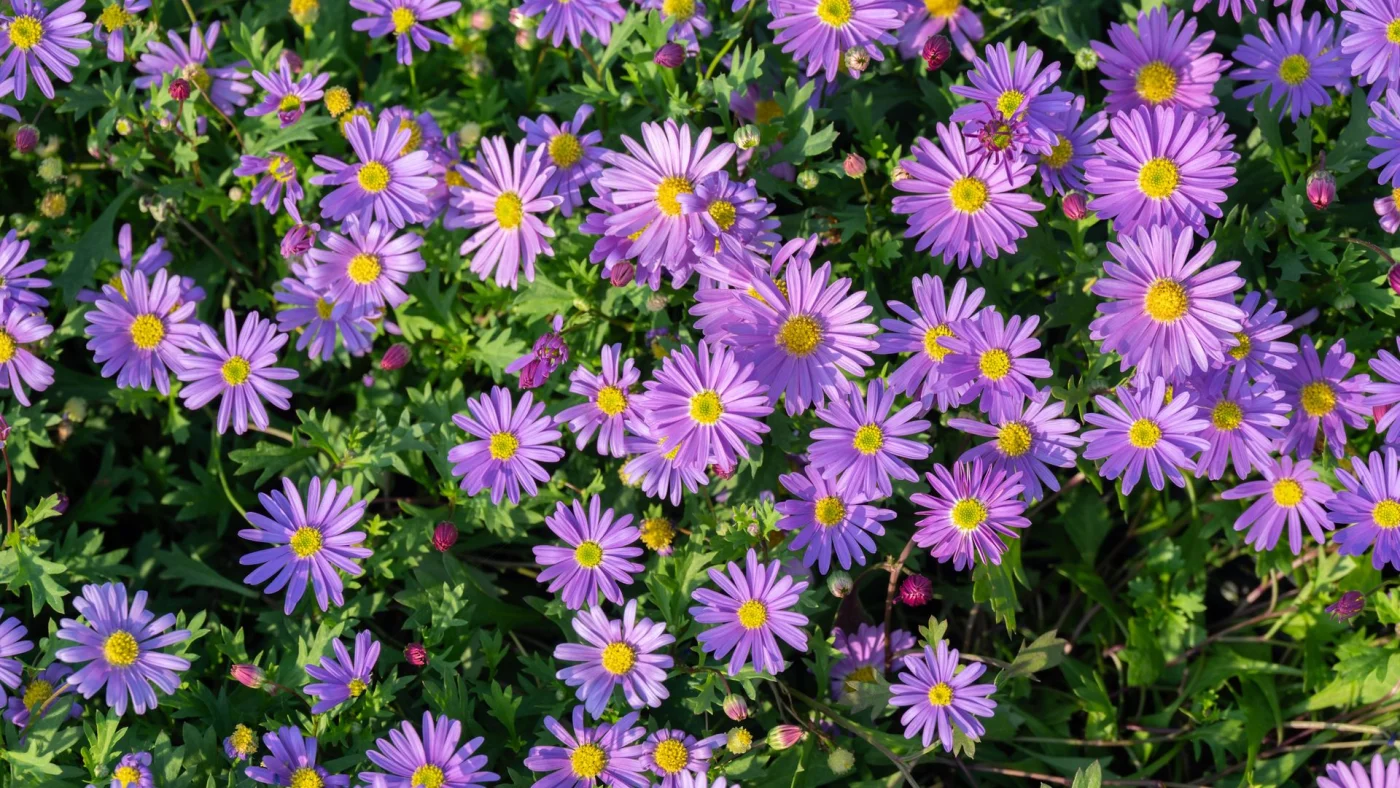
Purple asters in bloom
By late August, most garden borders start to look exhausted. The easy solution for a vibrant autumn landscape is growing asters.
These daisy-like native perennials burst into bloom just as summer flowers fade. Available in purple, pink, white, and blue, asters typically flower from late August straight through October.
Their prolific mounding habit provides enough intense color to carry your garden all the way to winter.
Why Every Fall Garden Needs Asters
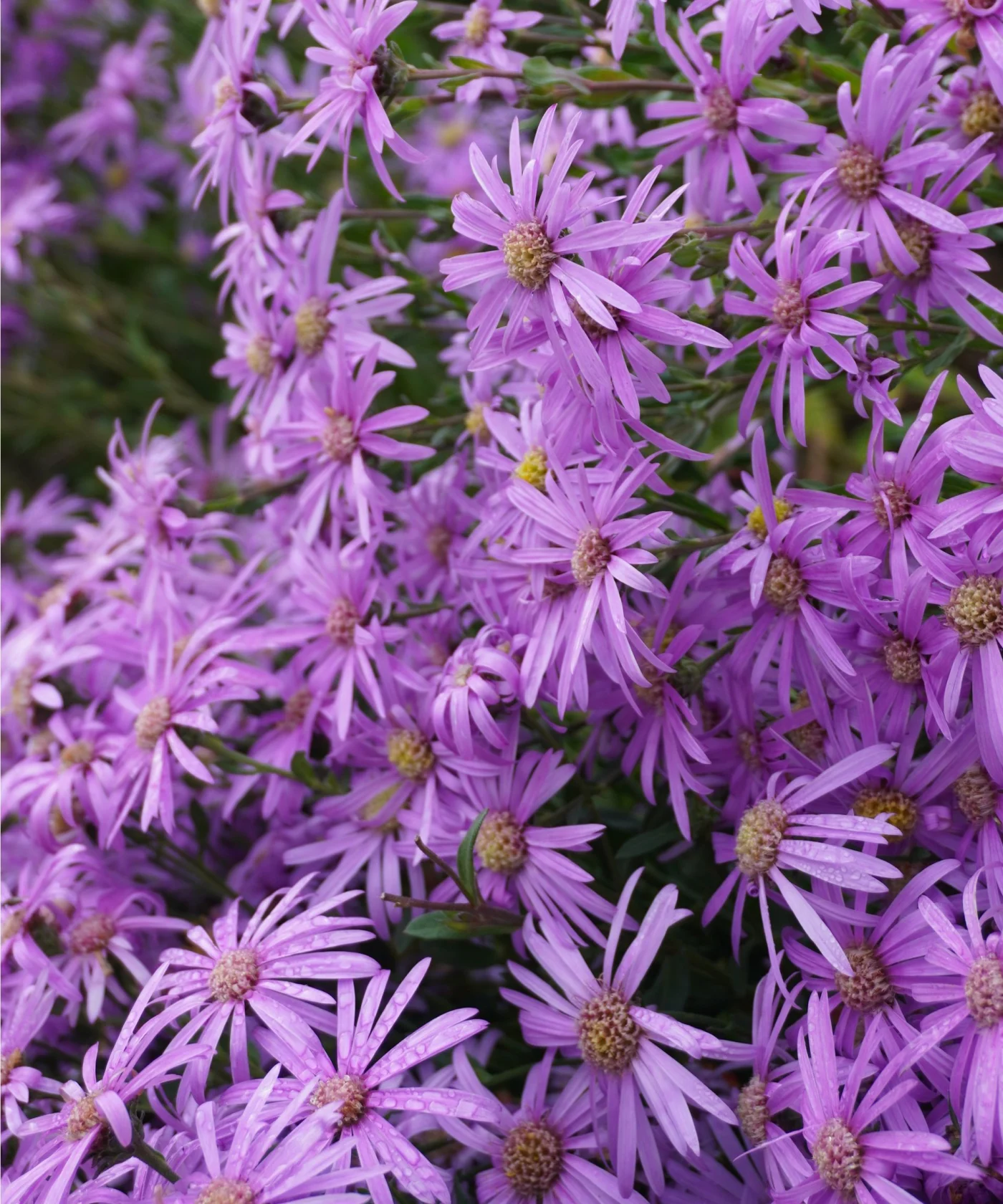
Purple asters
Asters are unmatched when it comes to extending the flowering season. They are incredibly low-maintenance and put on a reliable display for weeks.
Their classic mounding shape offers effortless pops of color in borders. You can also plant spreading varieties that act as groundcover, which look striking when cascading over retaining walls.
These perennials elevate naturalistic planting schemes effortlessly. They are perfect companions for ornamental grasses, particularly tall varieties like Karl Foerster grass.
Beyond aesthetics, asters are a crucial asset to local wildlife. They fill a dangerous nectar gap in the fall, attracting bees, butterflies, and hoverflies when other food sources disappear.
Essential Fall Aster Care
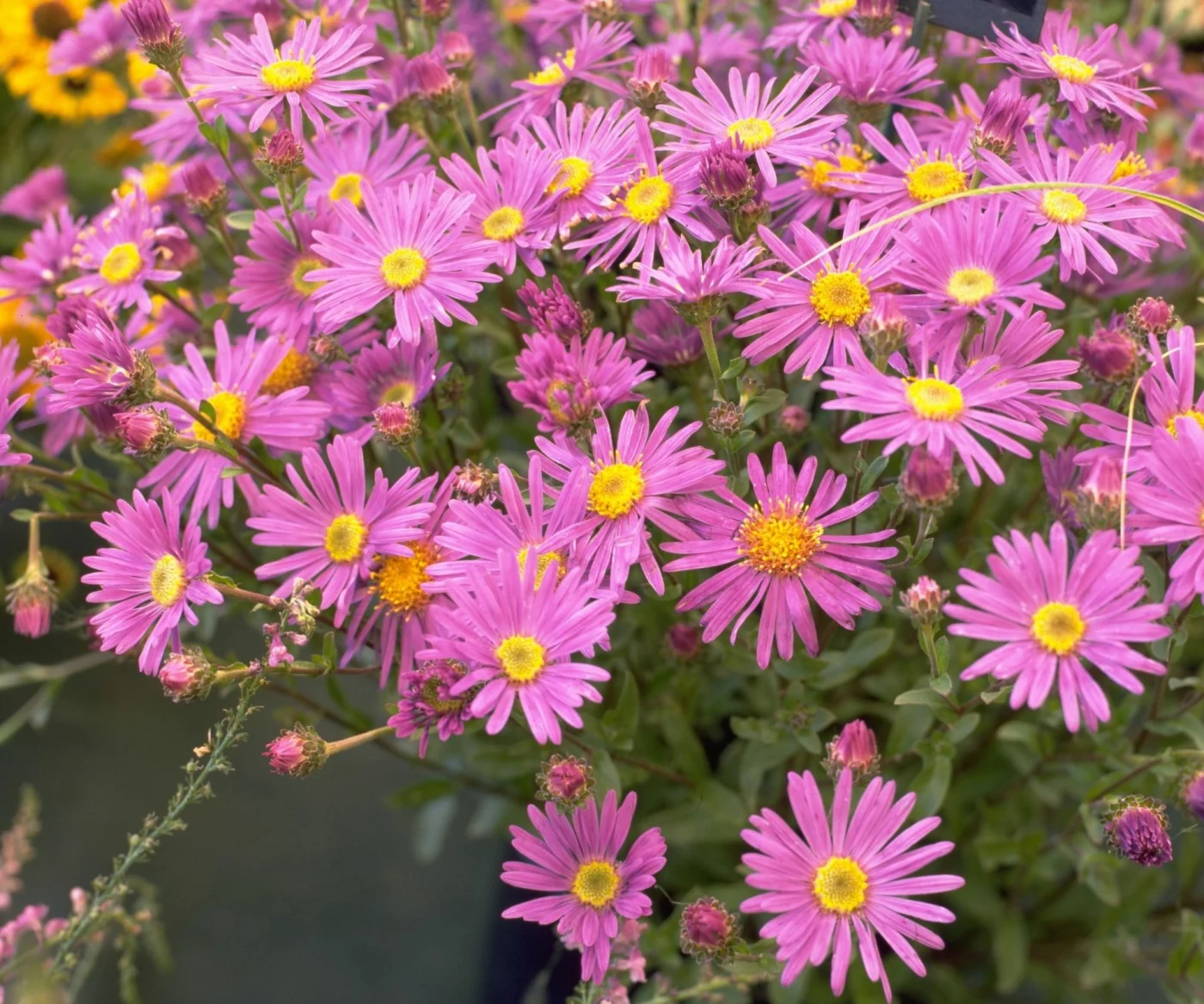
Pink asters with yellow centers in flower
The ideal time to plant a new aster is late summer to early fall. You want to get them in the ground after peak summer heat breaks, but well before the first frost hits.
Most varieties are hardy across USDA zones 3 through 8. To ensure they thrive, you need to meet a few basic environmental conditions.
- Sun and Soil: Plant asters in full sun using well-draining, fertile soil. They despise soggy roots and need good drainage to survive.
- Spacing: Space your plants 12 to 18 inches apart. Asters are susceptible to powdery mildew, so they require excellent airflow.
- Watering: Water new plants consistently until established. After that, they are moderately drought-tolerant. Water deeply only when the top inch of soil feels dry.
- Mulching: Apply a 2-inch layer of fallen leaves or brown mulch around the base of the plant before hard winter frosts arrive.
To prolong the floral display, deadhead your asters regularly. This prevents the plant from wasting energy on setting seed.
Top Varieties to Plant This Season
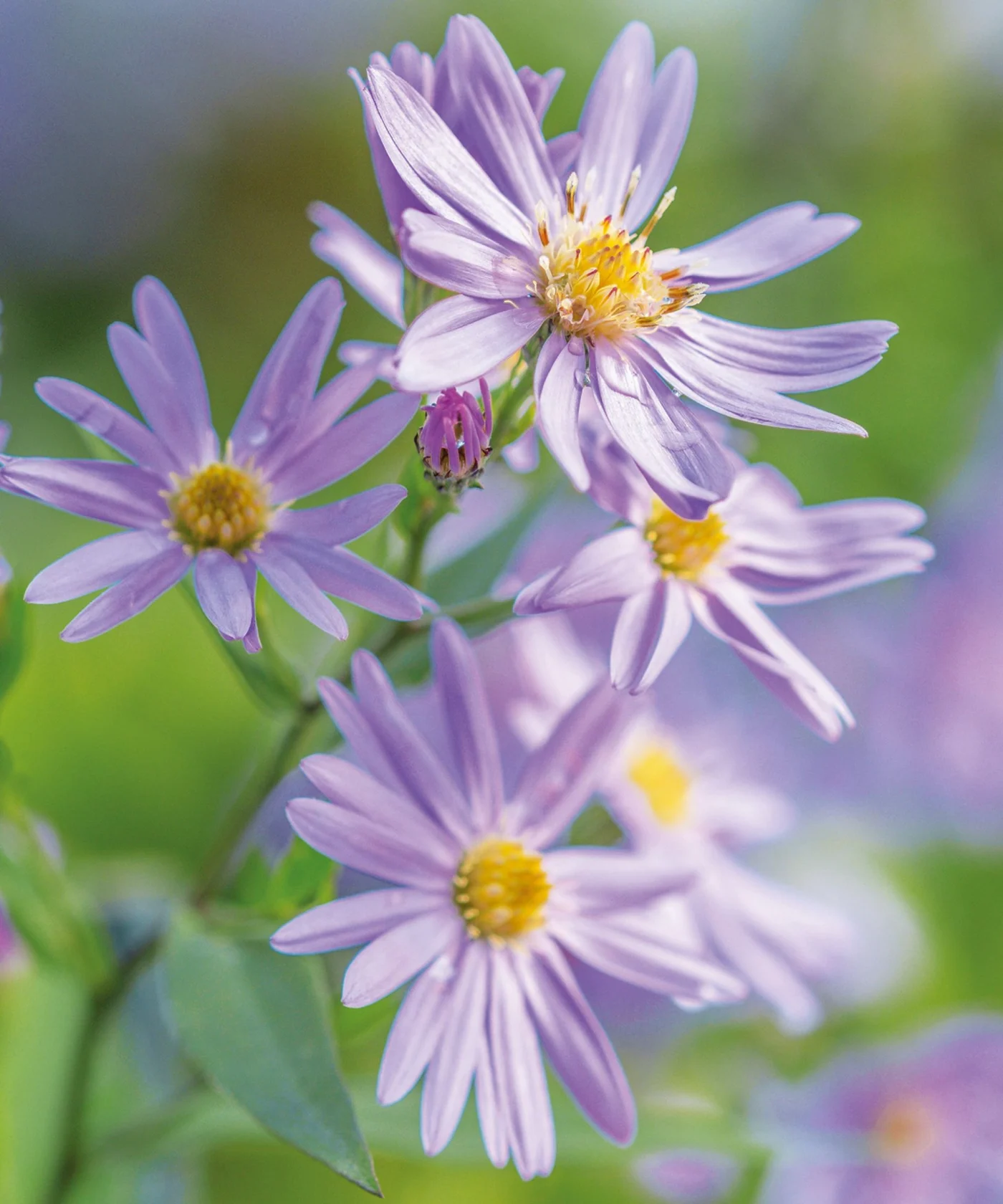
Fall aster flowers
With dozens of native varieties and cultivars available, asters fit into almost any garden layout. Here are some of the most reliable options for intense autumn color.
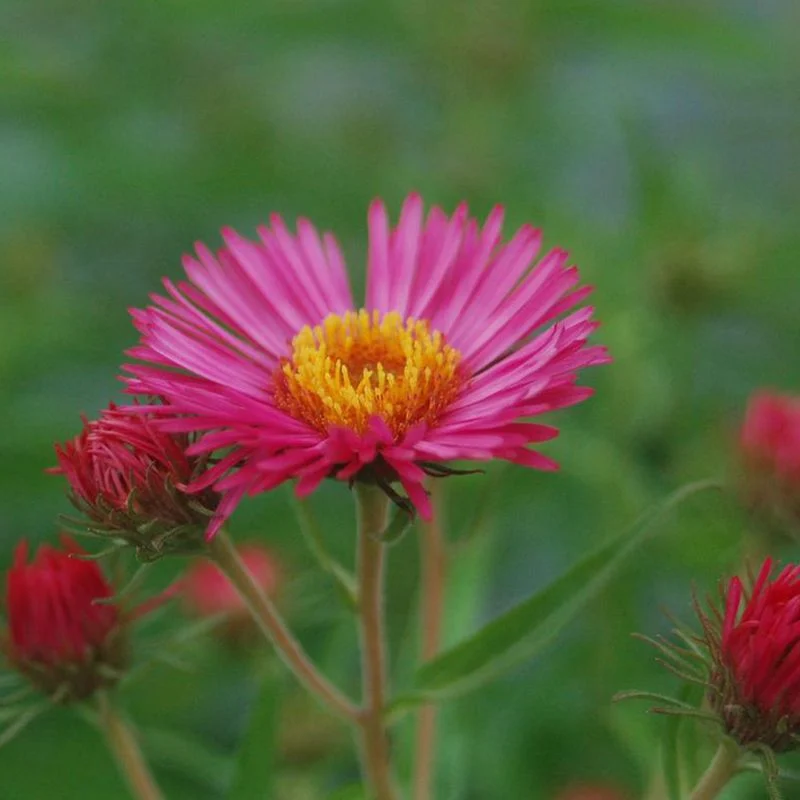
Common New England Aster
Common New England Aster: A tall native variety reaching 3 to 6 feet in height. Its deep pink color is ideal for adding structural height to the back of garden borders.
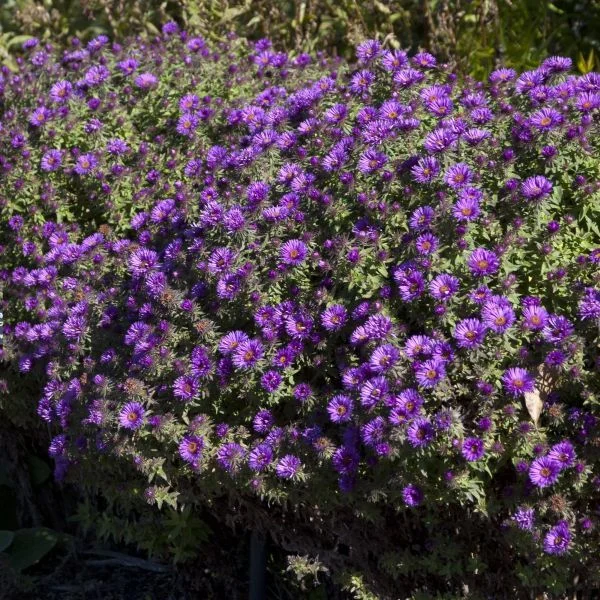
Purple Dome New England Aster
‘Purple Dome’ Aster: A bushier, more compact cultivar of the New England aster. It maxes out at 1 to 2 feet tall and produces a dense mound of rich violet blooms.
‘Snow Flurry’ Aster: A dwarf white variety. It is highly recommended as groundcover or for softening the hard edges of a rock garden.
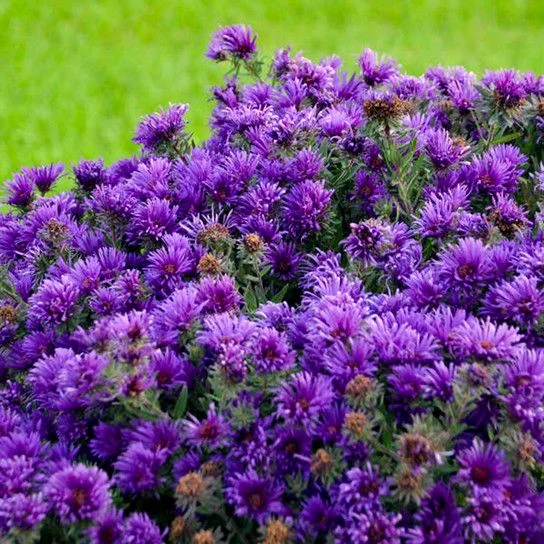
Grape Crush Aster
‘Grape Crush’ Aster: Reaching 26 to 30 inches in height, this New England cultivar offers intense deep purple flowers. Its tight mounding habit makes it an excellent choice for patio containers.
‘October Skies’ Aster: A low-growing, compact plant that tops out at 2 feet. The striking sky-blue flowers are perfect for lining garden pathways.
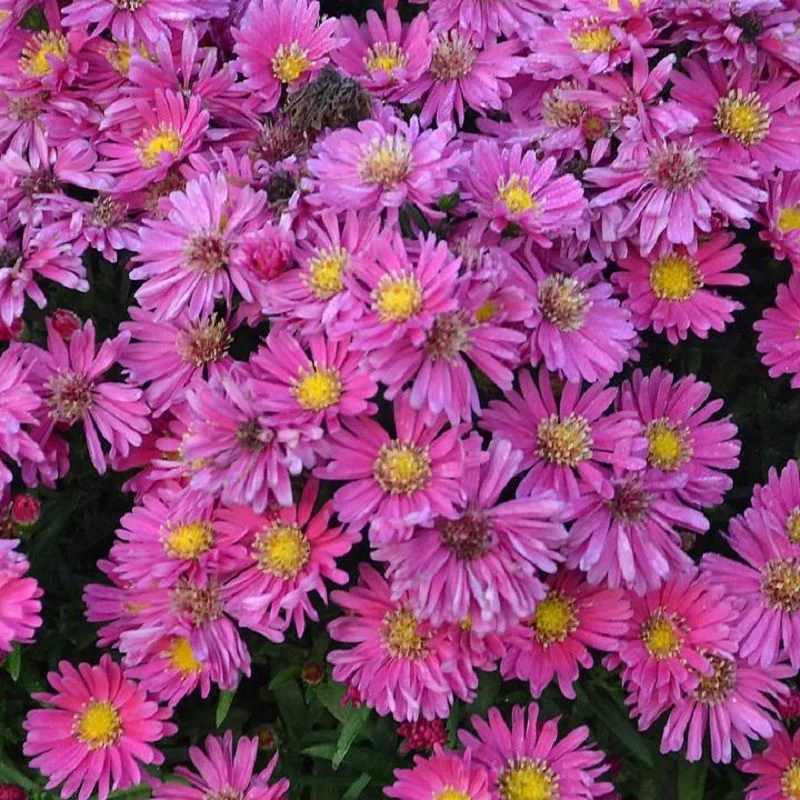
Carmine Red Fall Aster
‘Carmine Red’ Aster: This bold variety grows 2 to 3 feet tall. It stands out instantly thanks to its brilliant magenta petals and bright yellow centers.
Managing Powdery Mildew and Winter Prep
Asters are famously tough, but powdery mildew is their primary enemy. If you spot the telltale white dusty spots on the foliage, act quickly.
Remove the severely infected leaves immediately. Treat the remaining foliage with an organic spray made of baking soda and water, or apply a commercial copper fungicide.
To prevent the mildew from returning, always water the plant at the soil line rather than soaking the foliage from above.
When the blooming season finally ends, you have two choices for winter prep. You can leave the hollow, dead stems standing to provide winter shelter for beneficial insects.
If you prefer a tidy winter landscape, cut the stems back to about two inches above the ground using clean, sharp pruning shears.