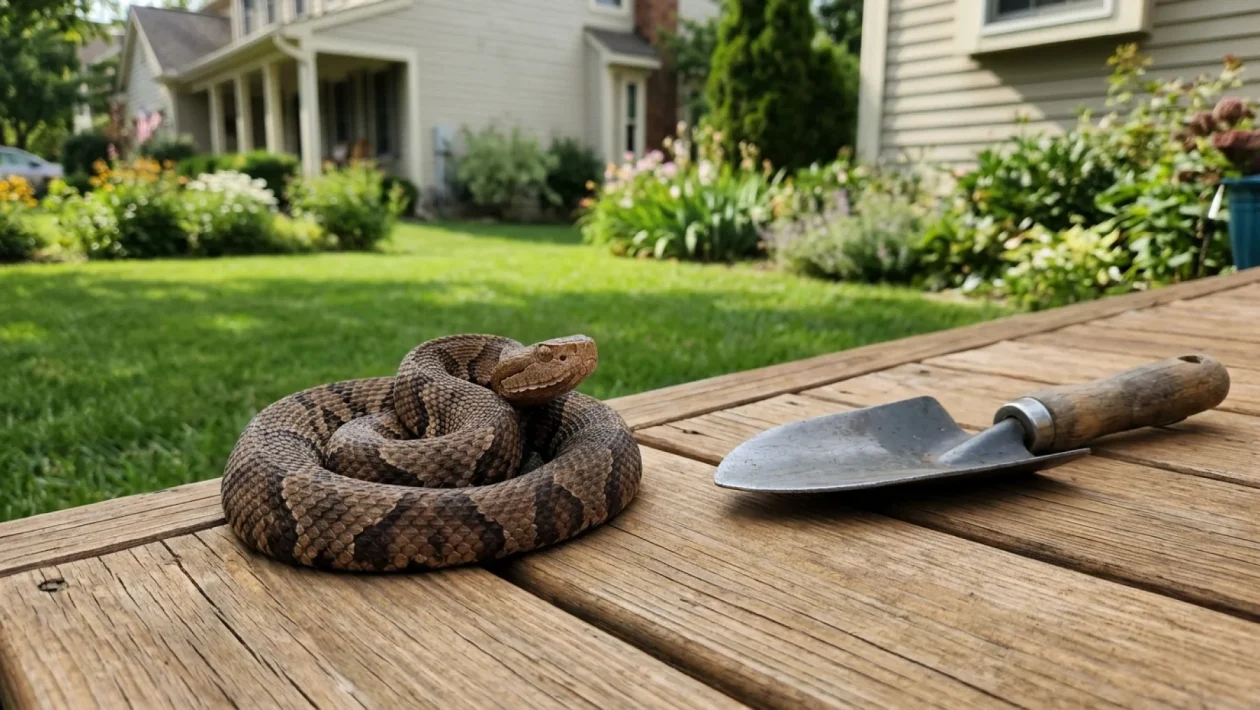
Forget the polite knock on the door—nature is actively redrawing your property lines. You step out onto your back deck to grab a tool, and instead of a quiet spring morning, you’re face-to-fang with a venomous predator that wasn’t supposed to live in your time zone. A massive new World Health Organization study has just confirmed our worst suspicions: the global map of deadly reptiles is shifting fast. But before you consider paving over your entire lawn, I’m going to show you exactly how to fortify your property and keep these unwanted trespassers off your grass.
We need to talk about the sheer scale of venomous snake migration. With the climate aggressively shifting as we sit here in May 2026, over 500 medically critical snake species are actively adjusting their hunting grounds. The numbers are staggering—there are roughly 4 million snakebite cases every single year resulting in 138,000 deaths.
While developing nations bear the brutal brunt of this, North America is absolutely not immune. In fact, if you think you’re safe just because you live north of the traditional danger zones, it’s time to wake up.
The Reality Of Venomous Snake Migration
The days of relying on old regional field guides are officially over. Reptiles are cold-blooded pragmatists; when their environment changes, they pack up and move. This means species that used to be geographically locked to specific southern swamps or deserts are now finding perfectly comfortable habitats much further north.
We aren’t just talking about harmless garter snakes taking up residence under your porch. The data shows that highly venomous species are adapting to new urban and suburban boundaries. As humans continue to bulldoze wetlands and forests for new subdivisions, we are literally building our living rooms right on top of their new migration routes.
“The overlap between humans and venomous snakes will be greater. You could consider this a risk of walking out of the back door, stumbling and getting bitten.” — David Williams, WHO and University of Melbourne.
Why Deadly Reptiles Are Moving North
So, why exactly are these lethal predators pushing into our backyards? It comes down to basic survival logic. Hotter baseline temperatures are making historical snake habitats unlivable, pushing them into cooler, previously untapped northern territories.
Take the American cottonmouth moccasin, for example. Historically a southern staple, these highly aggressive pit vipers are now projected to push as far north as New York. As they cross state and provincial lines, they are encountering human populations that have zero experience dealing with them.
This forced relocation creates a massive blind spot for homeowners. You aren’t instinctively looking down when you walk out to the woodpile because, historically, you’ve never had to.
How To Protect Your Yard
You don’t need to live in fear, but you do need to get smart about your landscaping. The goal is to make your property as wildly unappealing to a wandering viper as possible. Snakes are looking for three things: food, water, and secure hiding spots.
If you live near a ravine, a creek, or deep woods, a solid pair of leather work boots from a place like Mark’s Work Wearhouse is your best first line of defense when doing yard work. Next, you need to systematically strip away the welcome mats you didn’t know you left out.
- Eliminate Ground Cover: Clear out low-lying brush, massive leaf piles, and dense ivy near your foundation. Snakes use these as covert highways.
- Elevate Your Woodpile: Store your firewood at least 18 inches off the ground and away from the walls of your house.
- Control the Rodents: Mice and chipmunks are a snake’s primary food source. If you have a rodent problem around your shed, a snake problem is soon to follow.
- Seal Foundation Cracks: Walk the perimeter of your home and use heavy-duty outdoor caulking to seal gaps larger than a quarter-inch.
To make this even easier to tackle this weekend, here is a quick-scan audit of common yard hazards and exactly how to neutralize them.
| Yard Hazard (Snake Magnet) | The Handyman Fix |
|---|---|
| Overgrown shrubs and tall grass | Keep the lawn mowed tight; trim shrubs 12 inches from the soil. |
| Standing water or leaky hoses | Fix outdoor plumbing; fill in lawn depressions that pool water. |
| Scattered stone piles or old lumber | Haul away debris; store useful lumber on raised metal racks. |
| Bird feeders dropping seeds | Use catch-trays to stop seeds from hitting the ground and attracting rodents. |
Frequently Asked Questions
Are deadly snakes actually moving into Canada?
While the most extreme venomous species like cottonmouths are currently pushing into northern US states like New York, the shifting climate means Canadian border regions need to stay vigilant. Rattlesnakes are already native to parts of Ontario, Alberta, and BC, and their active seasons are getting longer.
What should I do if I find a venomous snake on my property?
Back away slowly and give the animal an absolute wide berth. Do not try to hit it with a shovel or handle it yourself—this is how the majority of severe bites occur. Call a local wildlife removal professional immediately.
What is the most effective immediate action if bitten?
Keep the bitten limb completely still, stay as calm as possible to slow your heart rate, and dial 911 immediately. Do not attempt to suck out the venom or apply a harsh tourniquet, as these outdated Hollywood tricks cause massive tissue damage.
🤝 Good luck out there, and remember that a little proactive yard maintenance goes a very long way in keeping your family safe.
💡 Mother Nature is constantly moving the goalposts, but staying informed and modifying your property keeps you two steps ahead of the curve.
📱 If you found this breakdown helpful, share your thoughts or send this to a buddy who desperately needs to clean up their backyard brush pile.
👇 Drop a comment below if you’ve noticed any unusual wildlife creeping into your neck of the woods lately!