Ditching expensive, chemical-heavy household cleaners is easier than ever. One surprisingly simple, all-natural hack is taking over kitchens across the country.
It turns out, the secret to restoring rusted pots and pans is already sitting in your pantry. By combining potato peels and baking soda, you can easily strip rust off your favorite metal cookware.
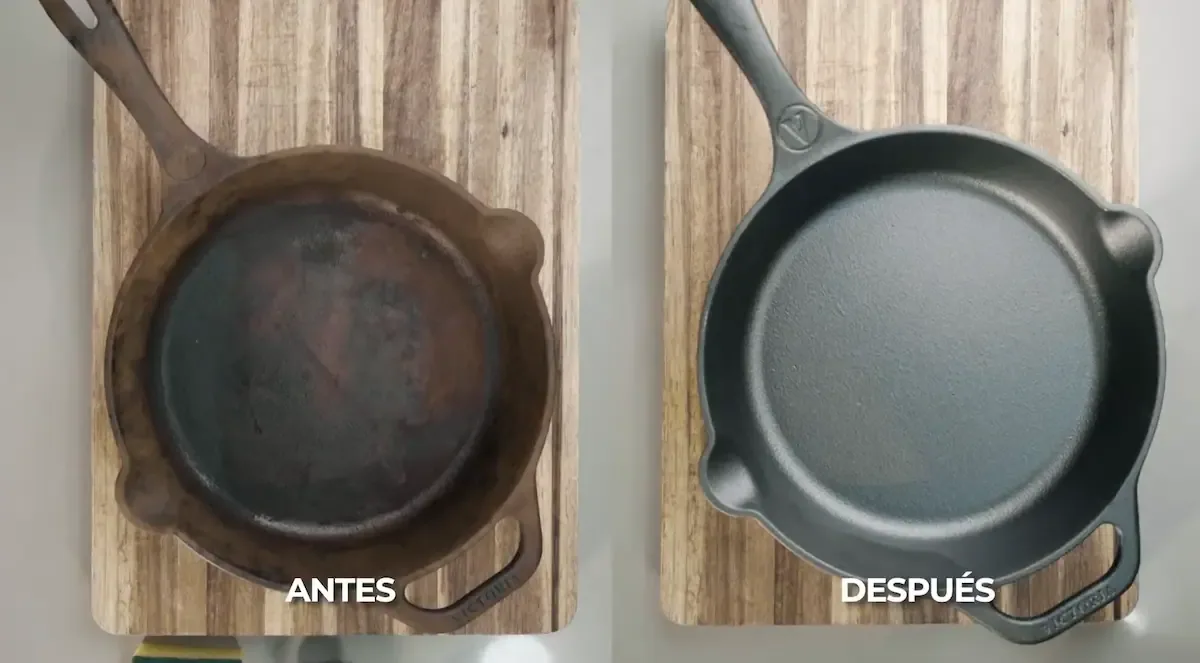
A natural mixture of baking soda and potato used to clean kitchen utensils.
Why Potato Peels and Baking Soda Actually Work
This unconventional pairing relies on basic chemistry. Baking soda is a well-known natural abrasive that gently breaks down rust buildup on metal surfaces.
The real magic, however, comes from the potato. Potato skins contain high levels of oxalic acid, a natural compound that actively dissolves stubborn rust without damaging the underlying iron or steel.
Together, these two ingredients create a powerful reaction that safely lifts rust stains from aging cookware.
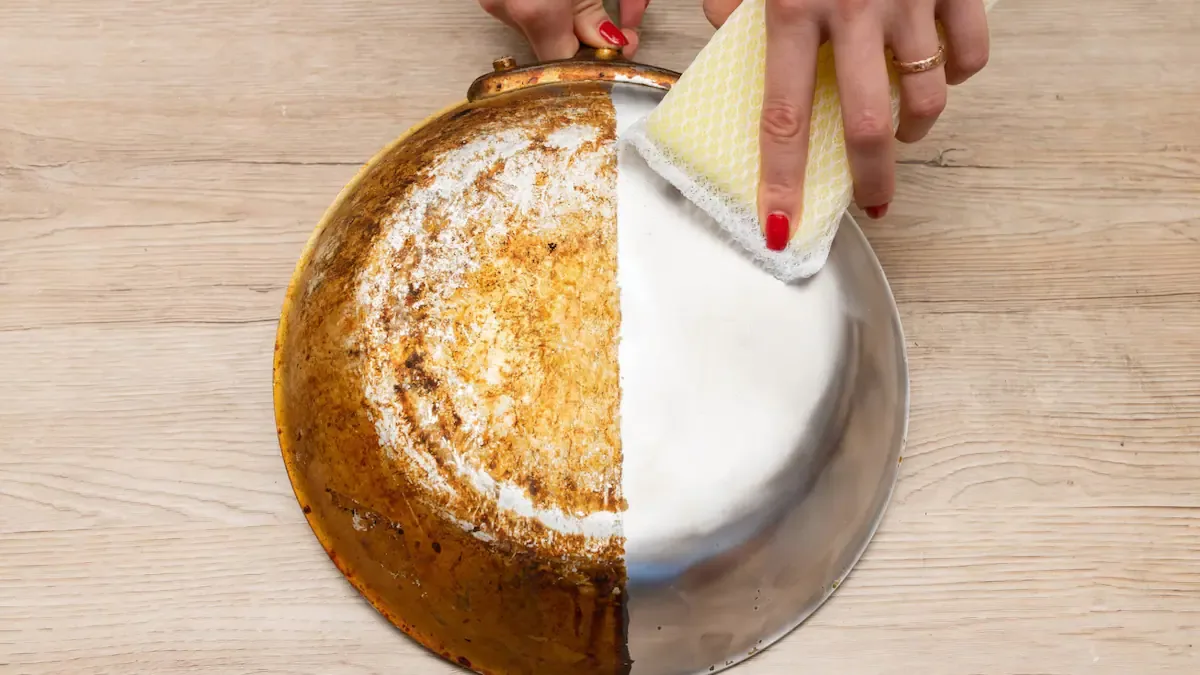
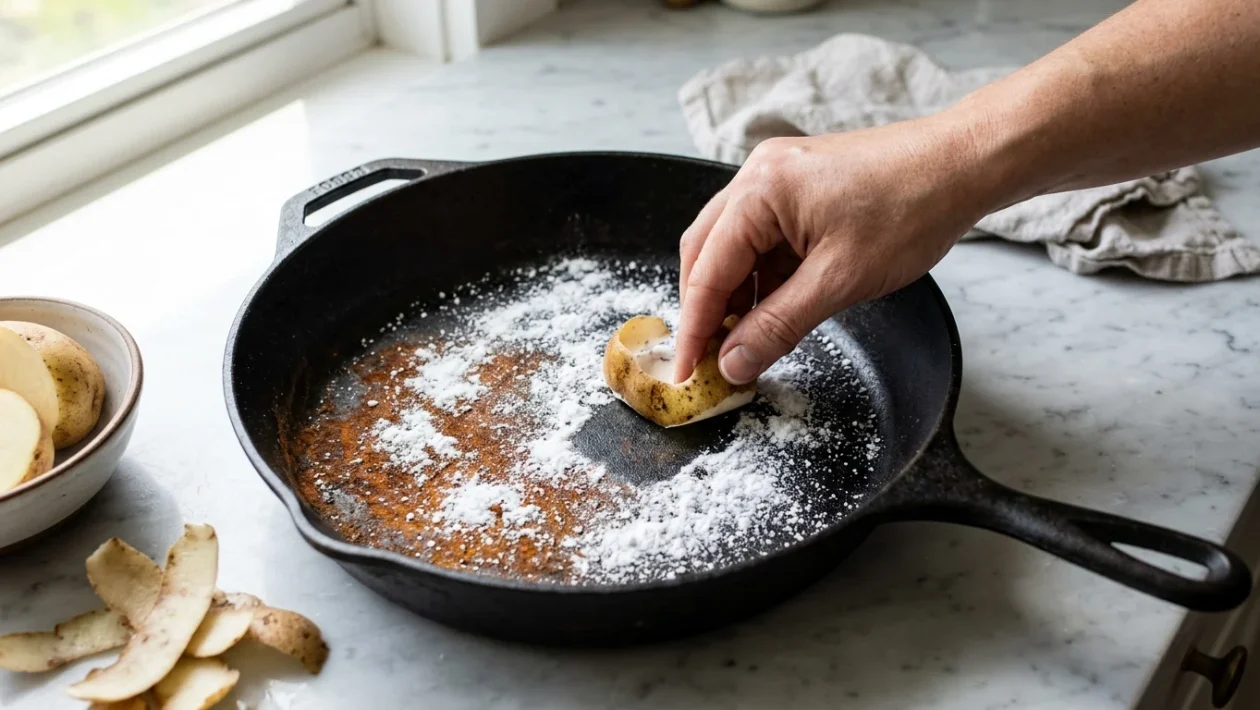
A cast iron pan being cleaned using the potato and baking soda method.
How to Remove Rust Stains Overnight
You do not need special tools or harsh chemicals to bring your rusty pans back to life. Just follow this straightforward process.
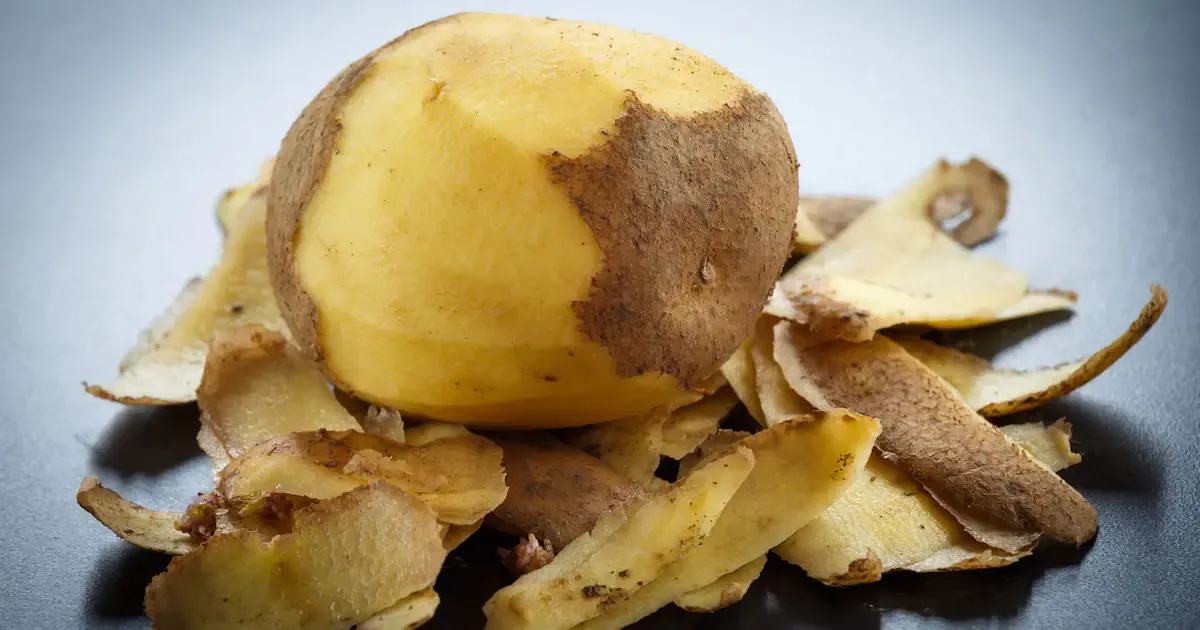
- Apply the baking soda: Sprinkle a generous amount of baking soda directly onto the rusted areas of your pan.
- Add the potato: Lay potato peels flat over the baking soda. Alternatively, you can slice a raw potato in half and stick the rusted object directly into the flesh.
- Wait it out: Leave the mixture to sit overnight so the oxalic acid can penetrate the rust.
- Scrub and rinse: The following morning, scrub the object firmly under running water to wash away the loosened rust residue.
If the rust is deeply set, simply repeat the process until the surface is clear. Always dry the metal immediately afterward.
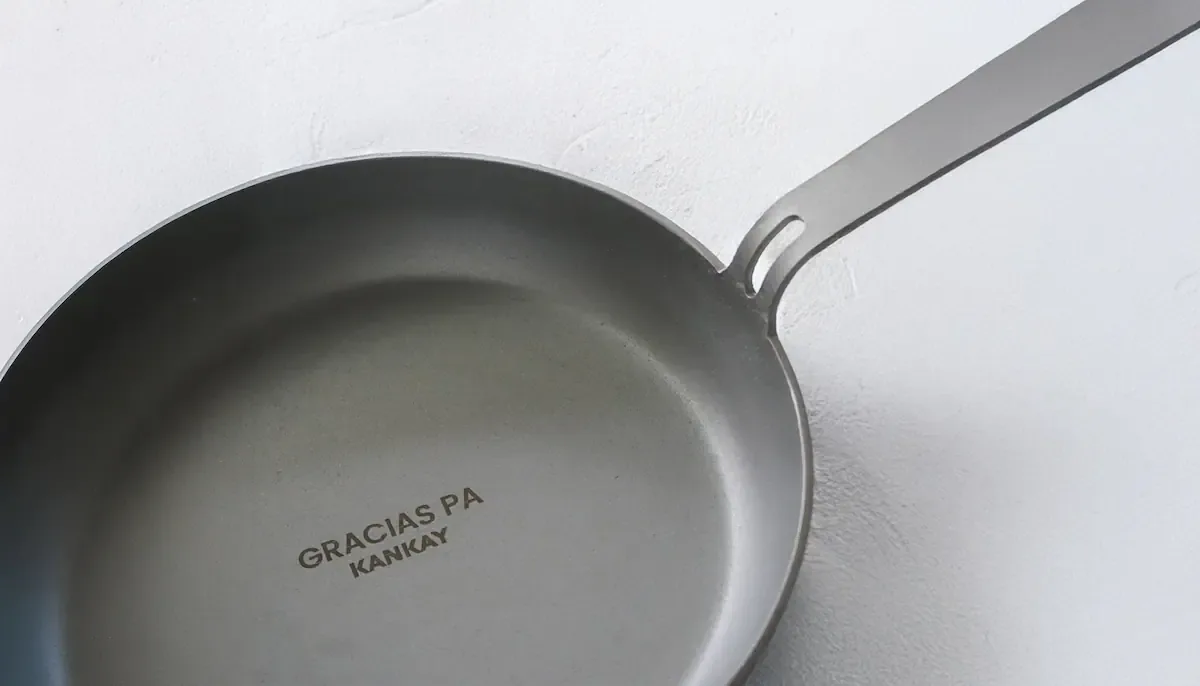
A well-maintained cast iron skillet properly oiled and stored to prevent rust.
How to Stop Cast Iron Pans From Rusting
The easiest way to deal with rust is to stop it from forming in the first place. Moisture is the biggest threat to cast iron and steel utensils.
After every wash, wipe your pans down with a clean towel until they are bone dry. Never leave them sitting in a damp sink or a poorly ventilated cabinet.
For maximum protection, coat the inside and outside of the dry pan with a thin layer of vegetable oil. When stacking multiple pans in your cupboard, place a paper towel or specialized pan protector between each one to prevent moisture trapping and scratches.