The Hidden Dirt in Your Living Room
Sofas take a massive beating every day. Crumbs, spills, pet dander, and body oils slowly turn vibrant upholstery dull and dingy.
Renting an upholstery extraction machine is a hassle, and hiring professionals costs a small fortune. Most people simply ignore the dirt or drape a blanket over the worst stains.
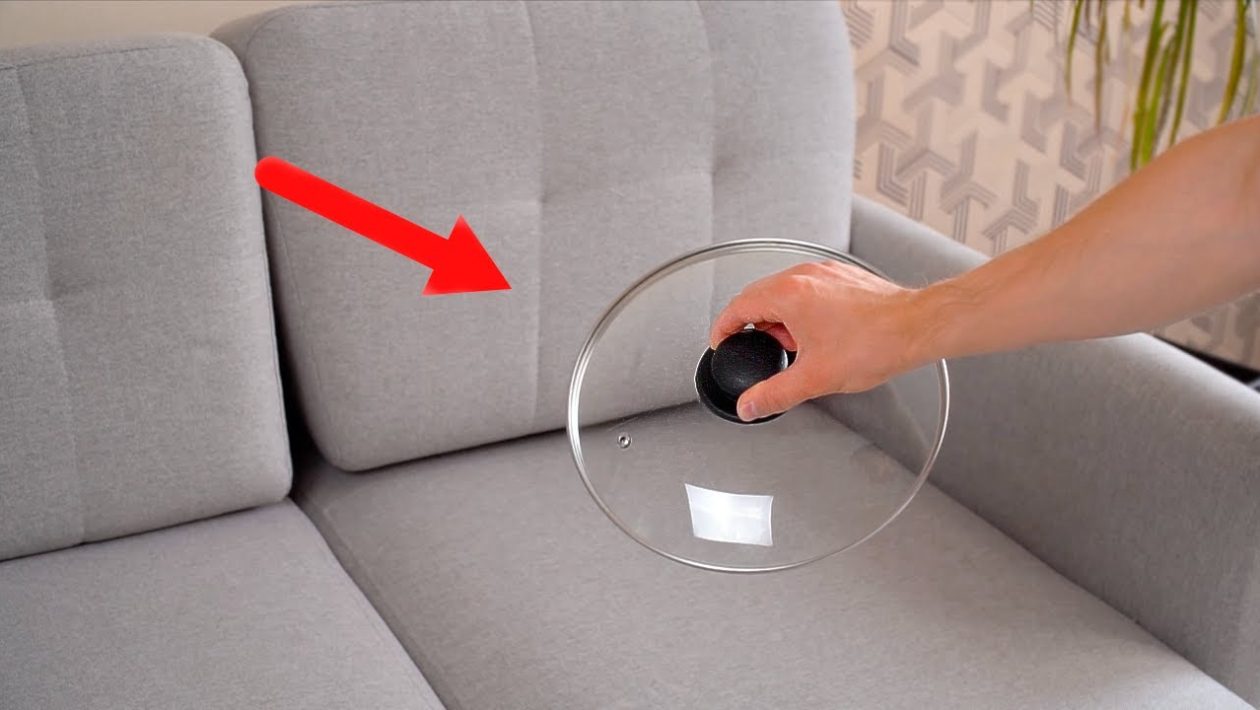
But a highly effective, low-cost alternative is probably sitting in your kitchen cabinets right now. It involves a simple saucepan lid and a homemade cleaning solution.
Why the Pot Lid Hack Works
The pot lid trick has transformed household cleaning routines for a good reason. It sounds unconventional, but wrapping a microfiber cloth around a standard saucepan lid creates the perfect tool for deep-cleaning fabric furniture.
The firm, flat surface of the lid applies heavy, even pressure across the cushions. This covers far more ground than scrubbing with a sponge or a bare hand.
More importantly, the hard edge of the lid forces the damp cloth deep into the fabric’s texture. It agitates the fibers and lifts embedded grime without causing your hands to cramp.
The DIY Cleaning Solution
The physical tool is only half the battle. You need a powerful solvent to break down the oils and dirt trapped in the fabric.
Forget expensive foaming sprays from the hardware store. A quick DIY mixture handles the job perfectly using everyday household staples.
Mix 2.5 cups (about 20 ounces) of hot water with one tablespoon of liquid dish soap. Add one tablespoon of baking soda to the bowl.
Next, pour in a splash of 70% rubbing alcohol. For an extra grease-cutting boost, you can optionally mix in two tablespoons of standard glass cleaner.
The Chemistry Behind the Mix
Every ingredient in this solution serves a specific purpose. The hot water melts hardened, sticky grime.
Dish soap acts as a powerful degreaser, immediately breaking down the sweat and body oils that make couch cushions look dark and shiny.
Baking soda works double duty. It neutralizes trapped odors from pets or food while acting as a gentle lifting agent for stubborn stains.
Finally, rubbing alcohol acts as a mild disinfectant. Crucially, it evaporates quickly, accelerating the overall drying process so water doesn’t soak deeply into the underlying foam.
Step-by-Step Execution
Start by thoroughly vacuuming the sofa. If you skip this step, you will just push wet dust deeper into the cushions, creating a muddy mess.
Submerge a large microfiber cloth into your hot cleaning solution. Wring it out aggressively until it is only slightly damp.
Over-saturating the couch is a recipe for mold, mildew, and water rings. The cloth should hold moisture, but it must not drip.
Place the damp cloth flat on a table and set your pot lid in the center. Pull the corners of the cloth up and tie them securely around the lid’s handle.
Lifting the Grime
Grab the handle and glide the flat side of the covered lid across the sofa cushions. Work in overlapping grids, pulling the lid toward you in straight lines.
Apply firm downward pressure. The tight microfiber catches the dirt, while the hard lid forces it to scrape evenly against the upholstery.
Check the bottom of the cloth after a few passes. You will quickly see a layer of dark brown grime accumulating on the fabric.
Rinse the cloth in the sink, re-soak it in your solution, wring it out tightly, and re-wrap the lid. Continue this process until you have treated the entire sofa.
Post-Cleaning Care
Because the cloth was only damp, the sofa surface should dry within a couple of hours. Turn on a ceiling fan or open a window to speed up the evaporation.
This method is highly effective for standard synthetic fabrics, cotton blends, and microfibers. It should be avoided on pure leather, suede, or delicate velvet.
Once the fabric is completely dry, you may notice it feels slightly stiff. Simply run a clean, dry, soft-bristled brush over the cushions.
This final brushing restores the nap of the fabric, leaving your sofa feeling soft, smelling fresh, and looking brand new.