The Problem with Traditional Rust Removal
Rust is the inevitable enemy of every garage and workshop. Whether it is a forgotten wrench left in a damp shed or a set of garden shears that caught a bit of rain, oxidation quickly turns functional metal into a flaky, orange mess.
Most commercial rust removers rely on harsh, volatile chemicals. These products often require soaking parts in large vats of liquid for hours, which is impractical for fixed objects or vertical surfaces. To effectively treat a specific spot without making a chemical mess, you need a gel—something that clings to the surface and works where you put it.
The DIY Gel Formula
You do not need a laboratory to create a professional-grade rust treatment. You only need two ingredients that are likely already sitting in your kitchen or laundry room: white vinegar and cornstarch.
Vinegar contains acetic acid, which acts as a natural solvent that dissolves rust on contact. However, plain vinegar is thin and runs off metal immediately. By adding cornstarch, you create a gel-like consistency that sticks to the metal, allowing the acid to sit in place and penetrate deep into the corrosion.
The Mixing Process
- Pour one cup of white vinegar into a small saucepan.
- Whisk in two tablespoons of cornstarch while the liquid is cold.
- Heat the mixture over medium heat, stirring constantly, until it thickens into a clear, gelatinous paste.
- Remove from heat and allow it to cool completely before use.
Application for Best Results
Before applying your homemade gel, use a wire brush to remove any loose, flaky rust. This allows the acidic base to make direct contact with the oxidized surface.
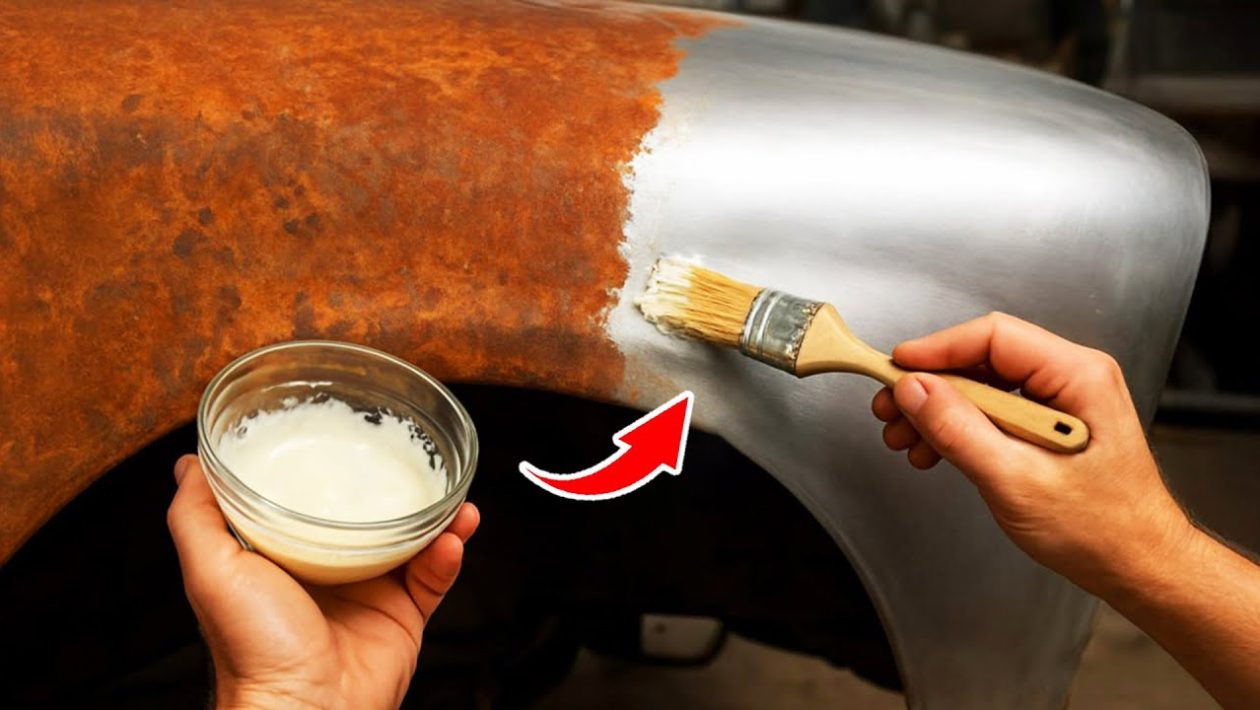
Apply a generous, even layer of the gel over the rusted area using an old paintbrush or a putty knife. Because the gel clings to the surface, it is ideal for treating vertical bolts, door hinges, or larger tools that cannot be submerged in a liquid bath.
Let the mixture sit for at least 30 to 60 minutes. As the vinegar reacts with the rust, you will notice the gel turning a dark, murky color—that is a sign it is pulling the iron oxide away from the base metal.
The Cleanup
Once the dwell time is complete, wipe away the gel with a damp cloth or a paper towel. You will find that the rust wipes away easily, leaving clean, raw metal beneath.
Crucial Step: After removing the rust, the bare metal is highly susceptible to “flash rust,” where it begins to oxidize again almost immediately due to moisture exposure. Wipe the area dry and immediately coat the tool with a light machine oil or a protectant spray. This seals the metal and keeps future moisture out.
This method is inexpensive, non-toxic, and remarkably effective for restoring hand tools, lawn equipment, and hardware to working order. With a simple change in consistency, you turn common pantry items into a high-performance restoration tool.