The Allure of Buried Secrets
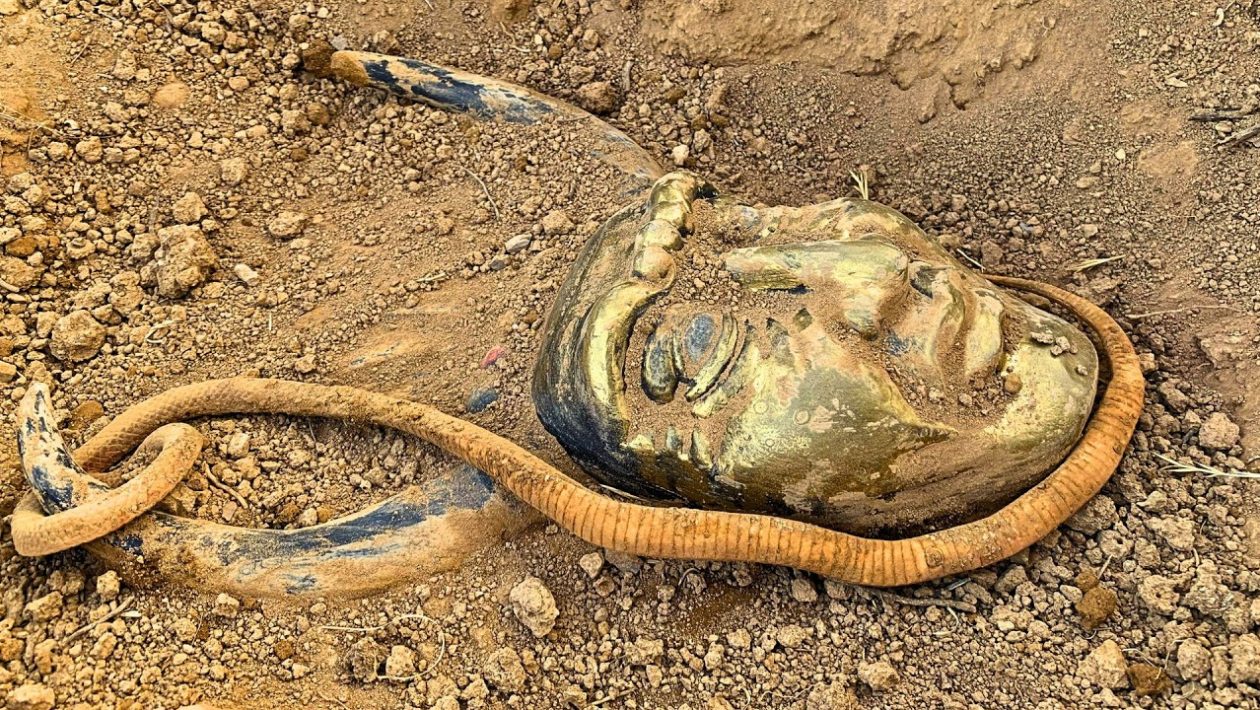
Internet algorithms are flooded with clips of treasure hunters pulling ancient statues and chests of gold from shallow dirt. These viral moments capture our collective imagination and fuel a sudden interest in uncovering hidden wealth.
However, the daily reality of metal detecting is far more grounded. It requires profound patience, historical research, and a willingness to dig up countless rusty nails.
While dramatic fictionalized videos serve as entertainment, actual metal detecting is a systematic and deeply rewarding hobby. Serious detectorists find genuine history, just rarely in the form of a Hollywood-style treasure chest.
What Detectorists Actually Uncover
The vast majority of legitimate finds consist of everyday items lost by generations past. Silver dimes, copper pennies, and modern dropped coins make up the bulk of a typical haul.
In the United States, historical relics are a major draw. Detectorists frequently recover Civil War-era bullets, military buttons, and vintage tools from old farm fields.
Lost jewelry is another common discovery. Beaches and public parks are prime locations for uncovering gold rings, silver chains, and watches that slipped away from their owners.
The Technology Behind the Hunt
Modern metal detectors use advanced electromagnetic technology to differentiate between valuable targets and trash. Beginners generally start with Very Low Frequency (VLF) machines.
VLF detectors are versatile and excellent at identifying coins, jewelry, and relics in typical soil. They can effectively filter out “junk” metals like iron.
For highly mineralized ground or saltwater beaches, professionals turn to Pulse Induction (PI) detectors. These machines penetrate deeper into the earth but are less capable of discriminating against trash.
Navigating the Legal Landscape
You cannot simply buy a detector and start digging up public land. The United States has strict laws governing where you can hunt and what you can keep.
The Archaeological Resources Protection Act (ARPA) strictly prohibits excavating artifacts on federal and Native American lands without a rigorous permitting process. Removing items over 100 years old from these areas is a federal crime.
State parks and local municipalities maintain their own patchwork of regulations. Some allow detecting on beaches, while others ban it entirely to protect local ecology and historical integrity.
Private property is often the most lucrative and legal place to hunt. However, this always requires explicit, preferably written, permission from the landowner before the first shovel hits the dirt.
The Ethics of Historical Preservation
Antiquities are valuable national assets that reflect the history of our ancestors. When a major historical artifact is discovered, context is everything.
Ripping an ancient relic from the ground destroys vital data about how it got there. The surrounding soil, depth, and nearby items tell a story that is lost forever when haphazardly excavated.
Ethical treasure hunters know when to stop digging. If a site yields significant indigenous artifacts or historical antiquities, the standard protocol is to leave the items untouched and contact state archaeologists.
Preserving these relics systematically ensures they are studied, cataloged, and eventually shared with the public to educate future generations.