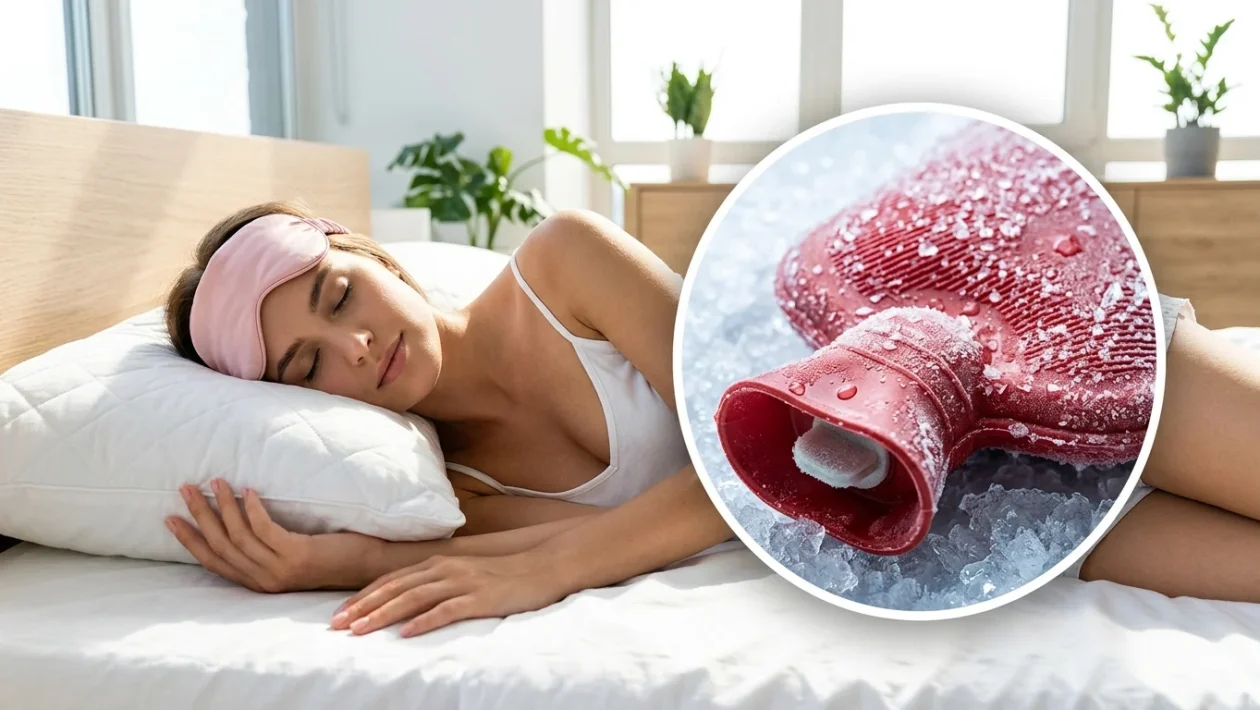
Heatwaves across the UK and beyond are becoming a regular occurrence. With summer temperatures frequently pushing past 86°F (30°C), adapting to the extreme heat is no longer optional.
For light sleepers, a sweltering bedroom guarantees a miserable, sleep-deprived night. Tossing, turning, and sweating through the sheets is a universal summer struggle.
But surviving a heatwave doesn’t require expensive cooling technology. By utilizing your freezer and three basic household items, you can trick your nervous system into winding down and finally get some rest.
Repurposing the Hot Water Bottle
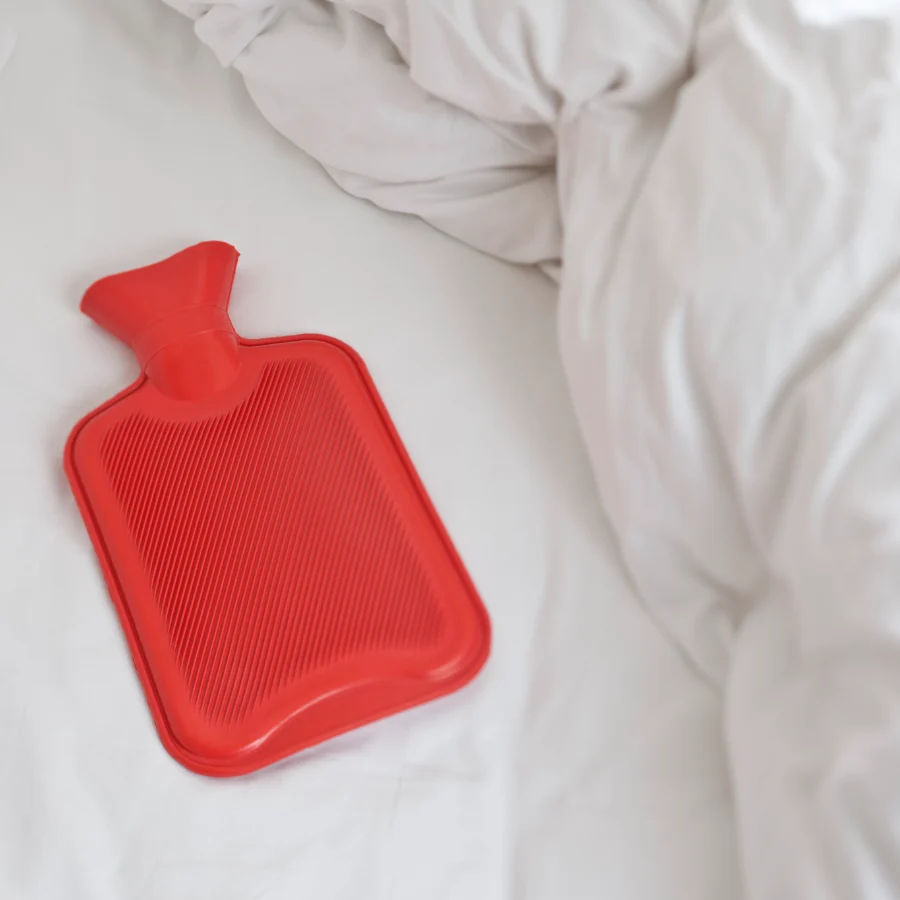
Red rubber hot water bottle on white bed sheets.
Hot water bottles are heavily insulated to trap heat during the winter. That same heavy insulation makes them the ultimate summer cooling device.
When filled with water and frozen, the thick rubber holds a block of ice that thaws much slower than a standard ice pack. This keeps your bed cool for hours without soaking your mattress like a damp washcloth would.
To do this safely, fill the bottle only halfway with cold tap water. Water expands as it freezes, and overfilling will split the seams. Squeeze out the remaining air, screw the stopper tight, and lay it flat in the freezer for three to four hours.
Place the frozen bottle under your covers 20 minutes before bedtime to create a pocket of chilled air. You can also press it against key pulse points—like your ankles, knees, wrists, or neck—to rapidly cool your circulating blood.
Never place frozen rubber directly against bare skin to avoid ice burns. Always put the fabric cover back on or wrap it tightly in a cotton pillowcase.
Crucially, freezing rubber or PVC permanently weakens the material. Once you freeze a hot water bottle, designate it as a cold-only item. Filling a compromised bottle with boiling water in the winter creates a severe risk of bursting and burns.
Chilling Your Eye Mask
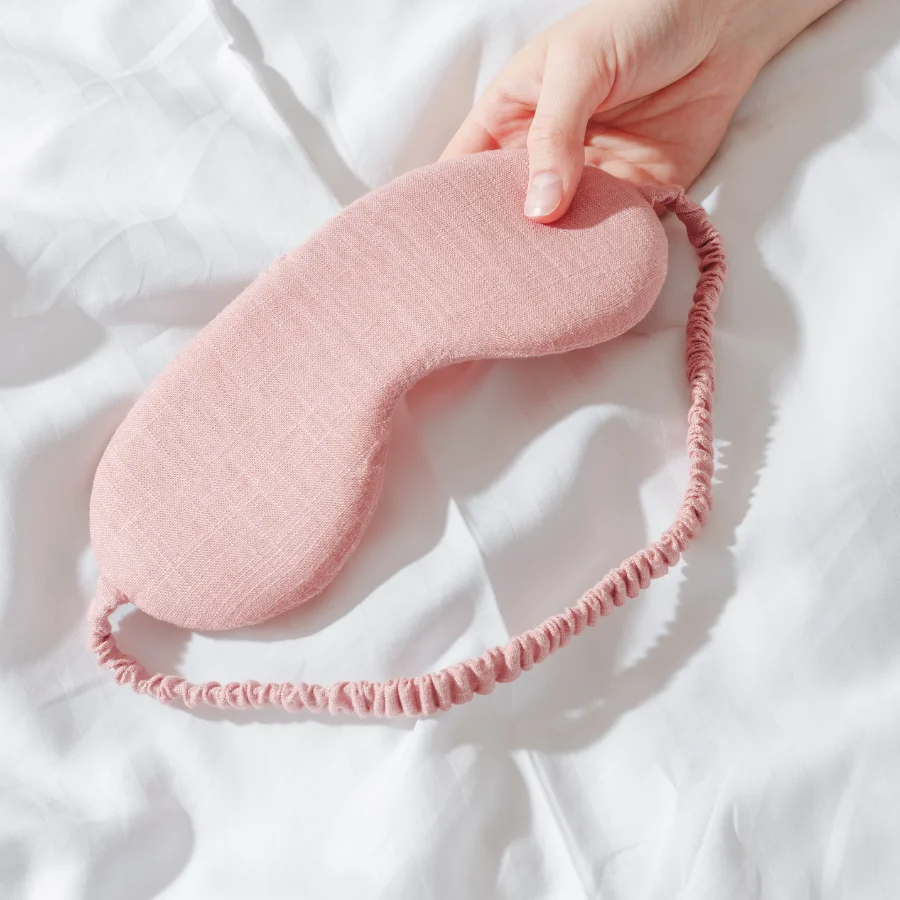
Hand holding a pink sleep mask on white sheets.
Dropping your core body temperature is a vital physiological trigger for sleep. Chilling an eye mask accelerates this process by directly lowering your upper facial temperature.
This simple trick signals your nervous system to power down while simultaneously blocking out early morning summer sunlight.
To avoid frostbite and freezer odors, place the mask inside a clean Ziploc bag. For gel masks, freeze them for 15 to 20 minutes. For fabric masks, 30 to 60 minutes is ideal. Freezing them any longer risks damaging the materials.
If the mask comes out aggressively cold or stiff, do not put it directly on your skin. Let it rest at room temperature for two minutes, or place a thin paper towel over your eyes first.
The Frozen Pillowcase Method
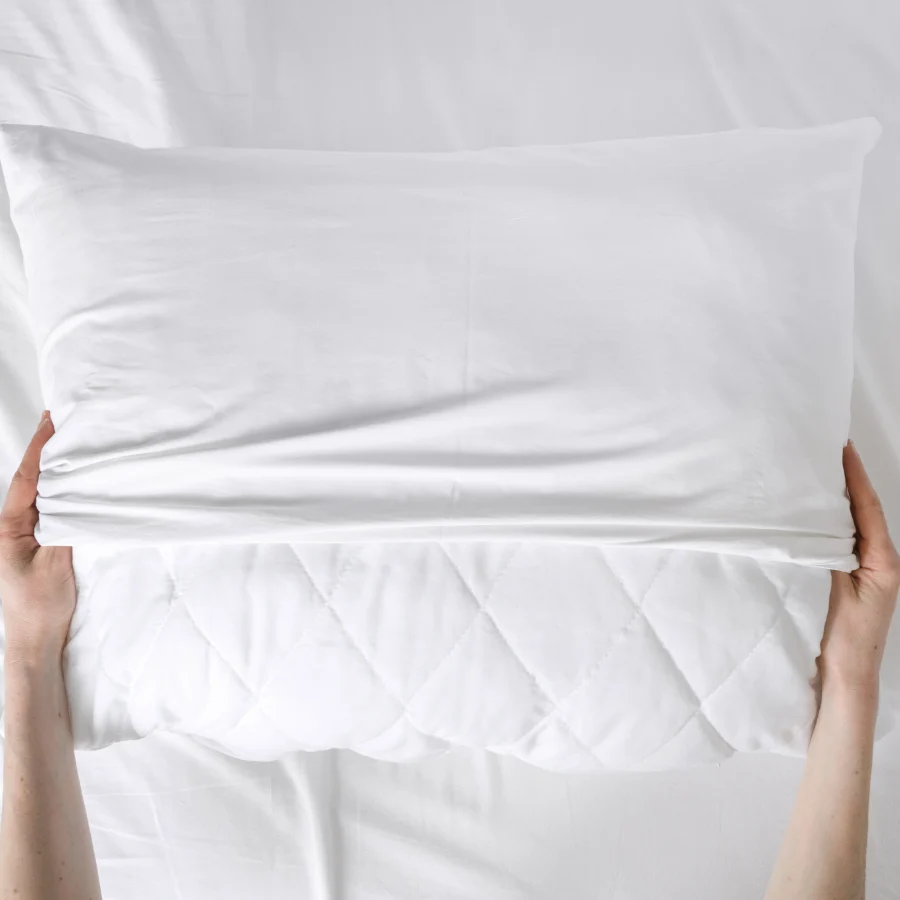
Hands holding a white quilted pillow on a bed.
If wearing an eye mask feels too claustrophobic, a frozen pillowcase offers a highly effective alternative.
The head and neck are major areas for body heat loss. Surrounding your face with chilled fabric sends a rapid signal to the brain that the environment is cool enough for rest.
While the cooling effect may only last 10 to 20 minutes, that window is usually enough to initiate deep sleep.
Stick to 100% natural cotton or linen pillowcases. Avoid synthetic materials, which will eventually trap body heat and make you sweat later in the night.
Place the pillowcase inside a Ziploc bag to keep it dry and block out smells from frozen food. Leave it in the freezer for just 15 to 30 minutes before bed. Leaving it in all day will make the fabric uncomfortably stiff and damp.