Summer squash is a seasonal staple praised for its sheer culinary versatility. Whether you are baking it into a cake, frying it as a fritter, or tossing it into a skillet, proper handling dictates how well this delicate vegetable will perform in your kitchen.
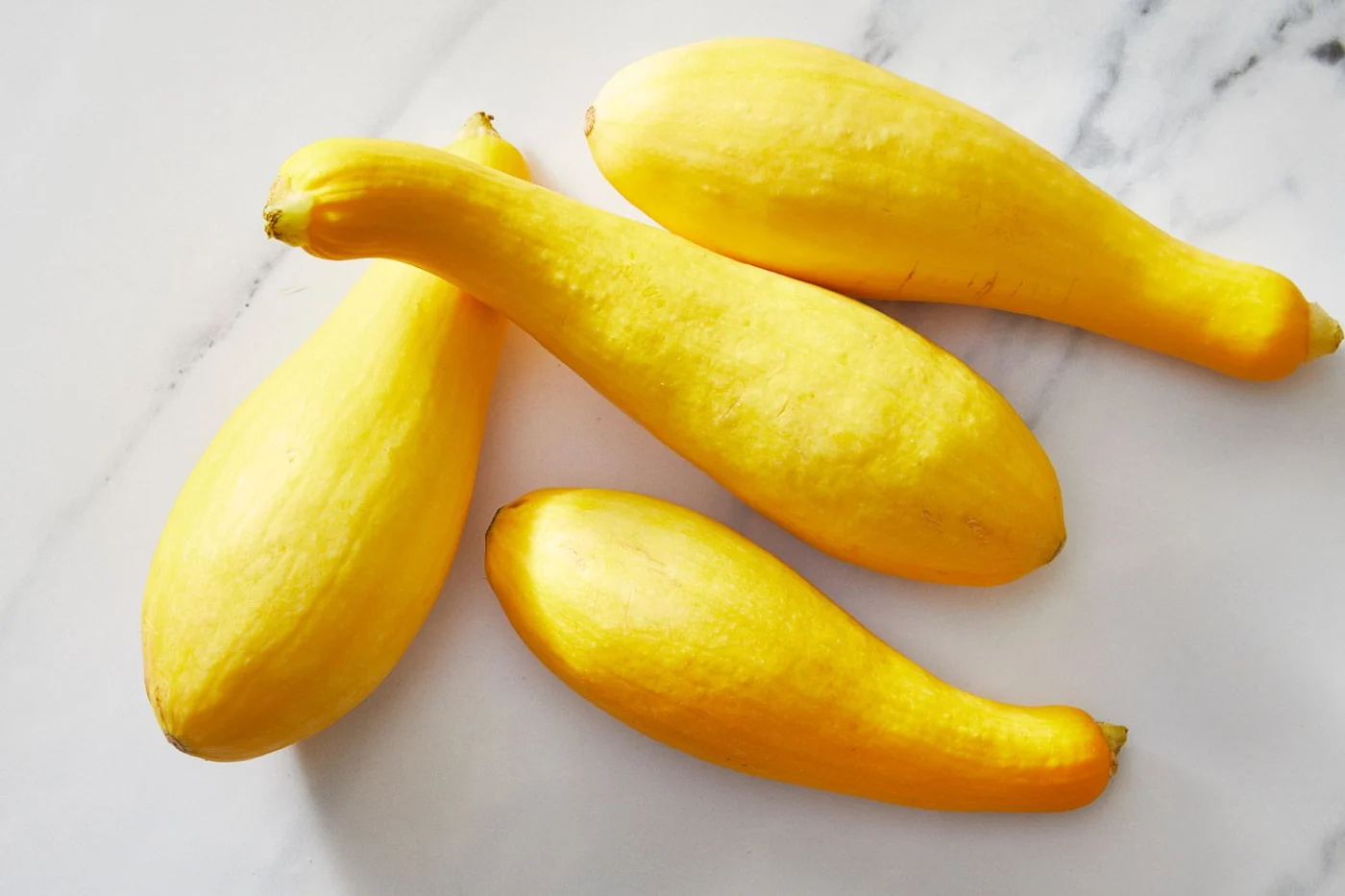
Fresh yellow summer squash placed on a kitchen surface.
The Right Way to Wash Delicate Produce
Timing is everything when it comes to cleaning your harvest. Chelsea Edwards, a registered dietitian and owner of Huntsville Nutrition Collective in northern Alabama, warns that moisture is the enemy of longevity.
“Summer squash should be washed right before cooking or eating,” Edwards says. “Simply wash summer squash with cool water while gently rubbing to remove any dirt.”
Because the skin is incredibly thin, you should never use a produce brush. Bristles will easily scratch and damage the protective outer layer. You must also wash the vegetable entirely before your knife ever touches it to prevent transferring surface germs directly into the flesh.
Skip the Soap and Chemical Washes
Despite heavy marketing for fruit and vegetable soaps, plain tap water remains the gold standard for cleaning.
“There’s no need to use anything other than water when washing the squash,” Edwards adds. Detergents, bleach, and chemical rinses should never come near your food.
Federal health agencies agree. According to the USDA, “The FDA advises against using commercial produce washes because the safety of their residues has not been evaluated and their effectiveness has not been tested or standardized.”
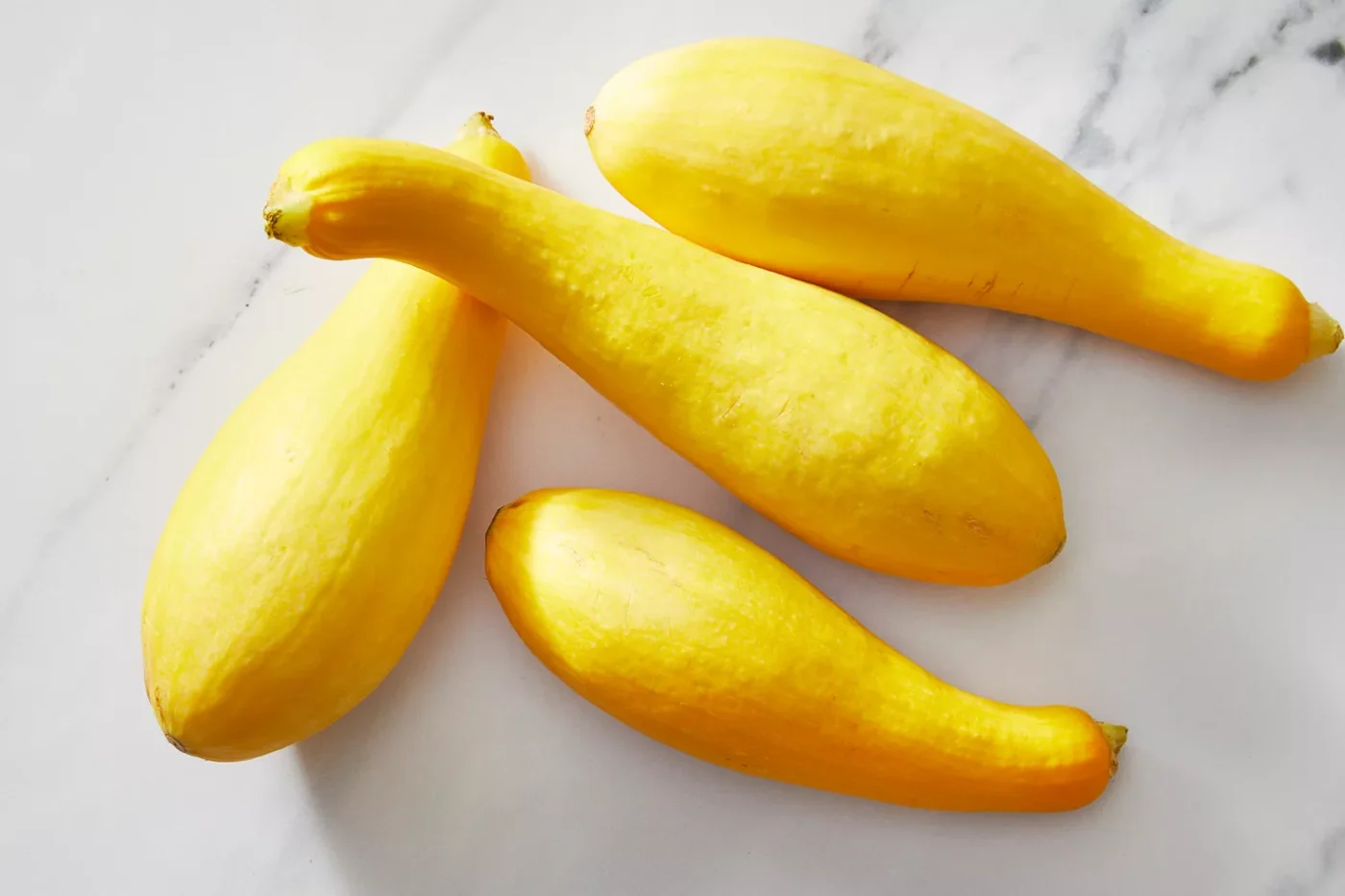
Close-up of bright summer squash prepared for cooking.
Strategic Storage for Maximum Shelf Life
Washing your squash days before you plan to eat it will fast-track spoilage. Instead, place the unwashed, whole vegetable inside a perforated plastic bag and store it directly in your refrigerator’s crisper drawer.
Due to its high moisture content, Edwards notes that summer squash generally survives for just four to five days, depending on its initial freshness.
If you have leftover cut pieces, you must control the humidity. Place the slices in an airtight container lined with a dry paper towel to absorb excess moisture and prevent the dreaded slimy texture.
Location in the fridge also matters. Keep summer squash strictly isolated from ethylene-producing fruits like apples, avocados, peaches, and tomatoes, which emit gasses that accelerate decay.
How to Spot Spoilage and Hidden Toxins
Recognizing bad squash is mostly visual and tactile. If you notice a sour odor, mold, a slimy coating, or mushy localized spots, throw it out immediately.
However, the real danger is hidden in the flavor. While rare, naturally occurring compounds known as cucurbitacins can accumulate in summer squash, leading to severe gastrointestinal distress.
Consuming this toxin can trigger violent nausea, vomiting, diarrhea, and stomach cramps.
“Always taste a small sliver of your summer squash to check for extreme bitter flavor. If your summer squash tastes extremely bitter, throw it away,” Edwards warns. “Cooking does not destroy the toxin.”