The Hidden Danger of Concrete Cracks
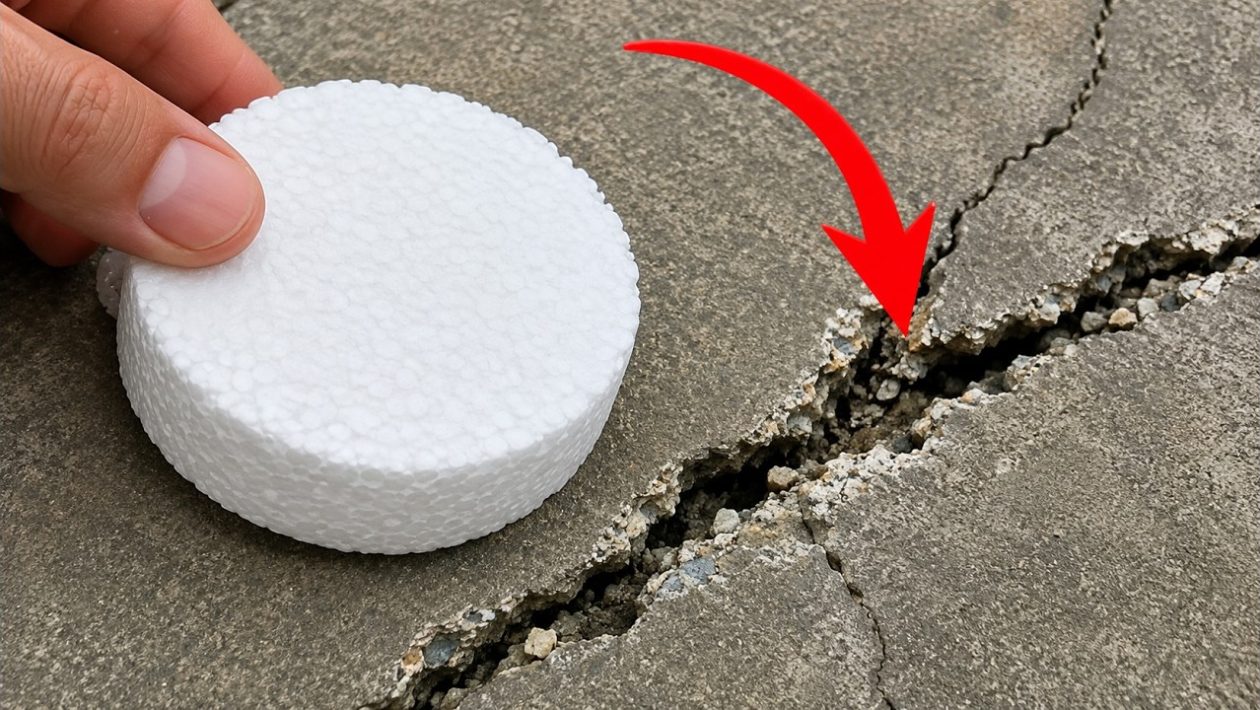
Concrete is durable, but it is not invincible. Whether it is a driveway, a sidewalk, or a garage floor, small hairline fractures can quickly become major liabilities. When water seeps into these gaps, it freezes and expands during the winter months, effectively prying your concrete apart from the inside out.
Ignoring these cracks leads to crumbling edges, uneven surfaces, and expensive structural failures. While traditional masonry caulk has its place, many homeowners are turning to specialized expanding foam for a more efficient, long-lasting, and waterproof solution.
Why Foam Outperforms Traditional Fillers
Traditional cement-based fillers often shrink as they dry, leading to secondary cracking. They also lack the flexibility required to accommodate the natural shifting of the ground beneath your concrete.
Expanding foam works differently. Once injected into a crack, it expands to fill every void and uneven surface within the gap. Because it is hydrophobic, it creates an immediate barrier against water infiltration, preventing the freeze-thaw cycle from causing further damage.
How to Seal Concrete Like a Pro
You do not need a construction crew to manage moderate concrete cracking. With a few basic supplies and a methodical approach, you can restore the integrity of your surfaces.
- Surface Preparation: Before applying any product, you must clear the crack of debris. Use a stiff wire brush to loosen any loose concrete, and then use a shop vacuum to suck out dirt, moss, or gravel.
- Inspection: Ensure the surface is dry. While some foams are designed to handle damp conditions, bonding is always strongest on a clean, dry substrate.
- Precise Application: Use an applicator gun to feed the foam deep into the cavity. Do not overfill the crack immediately, as the product will expand significantly as it cures.
- Finishing Touches: Once the foam has fully expanded and cured according to the manufacturer’s instructions, you can trim away the excess with a utility knife to bring it level with the surrounding concrete.
Avoiding Common DIY Mistakes
Even the best materials fail if they are applied incorrectly. One of the most common errors is failing to prep the crack. If the debris remains, the foam will bond to the dirt rather than the concrete, leading to a weak seal that will pop out after the first rain.
Another mistake is working too quickly. Give the product the full time specified on the label to cure. Attempting to level, paint, or walk on the foam before it has set will compromise its waterproofing properties and reduce its overall lifespan.
Long-Term Maintenance
Once you have successfully sealed your concrete, keep a watchful eye on it. Even high-quality foam can be degraded by extreme UV exposure over many years. If you notice the seal starting to wear down or chip, a quick touch-up is usually all that is required to maintain the waterproof barrier.
Effective maintenance is not about performing massive overhauls every few years. It is about catching the small problems—the tiny fissures and the minor leaks—before they evolve into large-scale repair projects that require professional intervention.