The Ultimate DIY Rust Buster
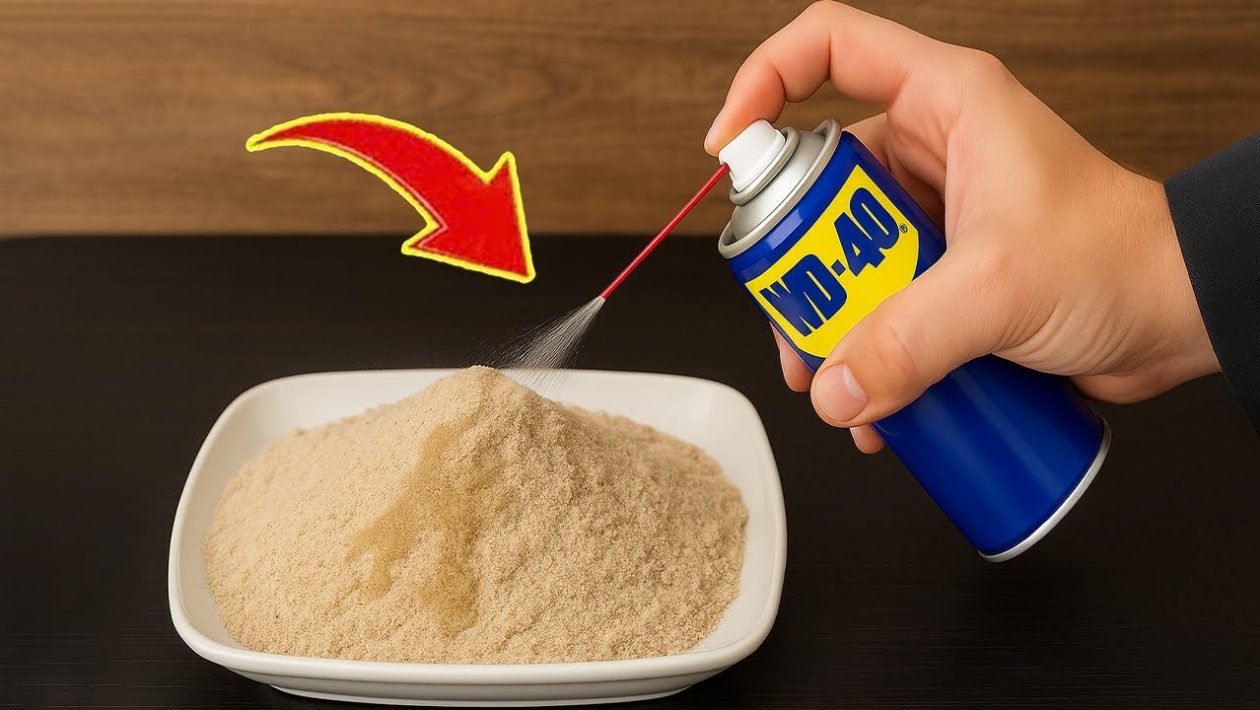
Pairing a household water-displacing spray with dirt sounds like a recipe for a mess. In reality, combining WD-40 with standard sand creates one of the most effective tool-restoring hacks available.
Generations of farmers, mechanics, and landscapers have relied on this exact mixture to maintain their gear. The chemical properties of WD-40 and the physical grit of sand turn out to be a perfect match for heavy-duty metal care.
How the Sand and Oil Combo Works
WD-40 is famous for its ability to penetrate rust and displace moisture. By itself, it breaks down surface oxidation and lubricates bare metal.
Sand, meanwhile, acts as a natural, highly effective abrasive. When you mix the two together, the sand physically scrubs away loosened rust and hardened dirt.
Simultaneously, the WD-40 immediately coats the freshly exposed metal. This creates a scouring compound that cleans and seals the surface in a single motion.
The Classic Plunge Bucket Method
The most popular way to use this mixture is by building a plunge bucket for large garden and yard tools. Shovels, hoes, and trowels take a severe beating and quickly develop surface rust when left sitting in a damp shed.
To build a cleaning station, fill a standard five-gallon bucket about three-quarters full with dry sand. Spray a generous, sustained amount of WD-40 directly into the bucket.
Use a heavy stick or a scrap piece of wood to stir the mixture. Keep adding spray and stirring until the sand feels slightly damp and clumpy, but not pooling with liquid.
When you finish doing yard work, simply plunge the metal end of your dirty tool directly into the sand a few times. The abrasive action knocks off the mud, while the oil prevents the metal from rusting overnight.
Choosing the Right Sand
Not all sand yields the exact same results. For the best abrasive action, standard construction sand or sharp sand is ideal.
These types have rougher, more angular edges that easily scrape away heavy rust. Avoid ultra-fine masonry sand, as it tends to clump too tightly and lacks the necessary grit to scrape metal clean.
Washed play sand is a reliable, accessible middle ground. It is clean, cheap, and readily available at any local hardware or home improvement store.
Creating a Heavy-Duty Scouring Paste
You can also scale this trick down for smaller hand tools like wrenches, pliers, or screwdrivers that have been neglected.
Mix a small handful of fine-grit sand with several blasts of WD-40 in a shallow plastic container. Stir it until it forms a thick, gritty paste.
Apply this homemade mixture to a shop rag or a stiff-bristled brush. Scrub the rusted areas of your hand tools vigorously, focusing on hinges and flat surfaces.
The fluid penetrates the tight joints of the tool, while the sand effortlessly grinds away stubborn corrosion. Once finished, wipe the tool clean with a dry rag to leave a thin, protective film behind.
Maintaining Your Tool-Cleaning Station
Over time, the sand in a plunge bucket will dry out or become overloaded with garden soil. Maintaining the mixture takes only seconds and keeps the system working for years.
Every few months, add another heavy spray of WD-40 and thoroughly stir the sand to rejuvenate the moisture level. If you notice a heavy accumulation of dried clay or organic debris sitting on top, simply scoop off the top layer and replace it with fresh sand.
Keep the bucket covered with a tight lid when it is not in use. This prevents the WD-40 from evaporating quickly and keeps excess humidity from the garage air out of the mixture.
Where You Should Never Use This Mixture
While this abrasive hack is brilliant for rough metal surfaces, it has strict, non-negotiable limitations. Never use the sand and WD-40 mixture on precision machinery or moving internal parts.
Bicycle chains, engine components, hinges on delicate electronics, and ball bearings will be instantly destroyed if exposed to sand. The grit acts exactly like liquid sandpaper and will rapidly grind down tight-tolerance mechanisms.
Keep this technique strictly reserved for solid metal hand tools, heavy garden equipment, and stationary hardware that requires aggressive surface rust removal.