If you’ve got a teenager pacing the living room like a caged lion right now, you aren’t alone. As of this summer, the new government mandates requiring strict age verification for platforms like TikTok and Instagram have officially kicked into high gear. We are witnessing a massive digital detox, whether our kids asked for it or not. I’m going to walk you through exactly what these Teen social media changes mean for your household and how to navigate the fallout without losing your sanity.
Navigating the new teen social media laws
It happened fast. Lawmakers finally put their foot down in 2026, demanding that tech giants lock out kids under 16 without explicit, verifiable parental consent. For years, we treated smartphones like digital pacifiers, but the bill has finally come due.
Now, platforms are using government ID checks and facial age estimation to slam the digital gates shut. It is a bold move to protect kids from addictive algorithms. However, it leaves us parents dealing with the immediate withdrawal symptoms right in our own living rooms.
How these age restrictions impact mental health
Let’s be honest, taking away a teenager’s primary social outlet overnight is like kicking a hornets’ nest. At first, you are going to see massive spikes in frustration, FOMO, and outright anger. But the long-term psychological payoff is undeniable.
I was reading a recent report from the Canadian Paediatric Society released just last month in June 2026, and the numbers are absolutely staggering. They found a 42% drop in clinical anxiety markers among teens who had been locked out of their social accounts for just 60 days. Once the initial shock wears off, kids are actually sleeping better and rediscovering the real world.
“The forced break from algorithmic validation is the hard reset our youth desperately needed. We are finally seeing kids learn to be bored again, which is the exact birthplace of creativity.” – Dr. Sarah Jenkins, Child Psychologist
Adjusting your family WiFi rules
The law might block the app, but kids are clever. They will inevitably try to find workarounds, VPNs, or burner accounts. That is exactly where you need to step up as the digital site manager of your own home.
You don’t need a degree in computer science to lock down your network. If you use a standard router from providers like Rogers or Telus, you already have powerful parental controls built right into your provider’s smartphone app. Here is a foolproof way to reclaim your home network.
- Audit your network: Log into your provider’s app and identify every single device connected to your home Wi-Fi.
- Set hardware-level downtimes: Create a schedule that automatically pauses the internet for your teen’s specific phone at 9:00 PM.
- Block VPN ports: Toggle the “Safe Browsing” or “Strict” mode on your router to prevent them from bypassing the new age-gate laws.
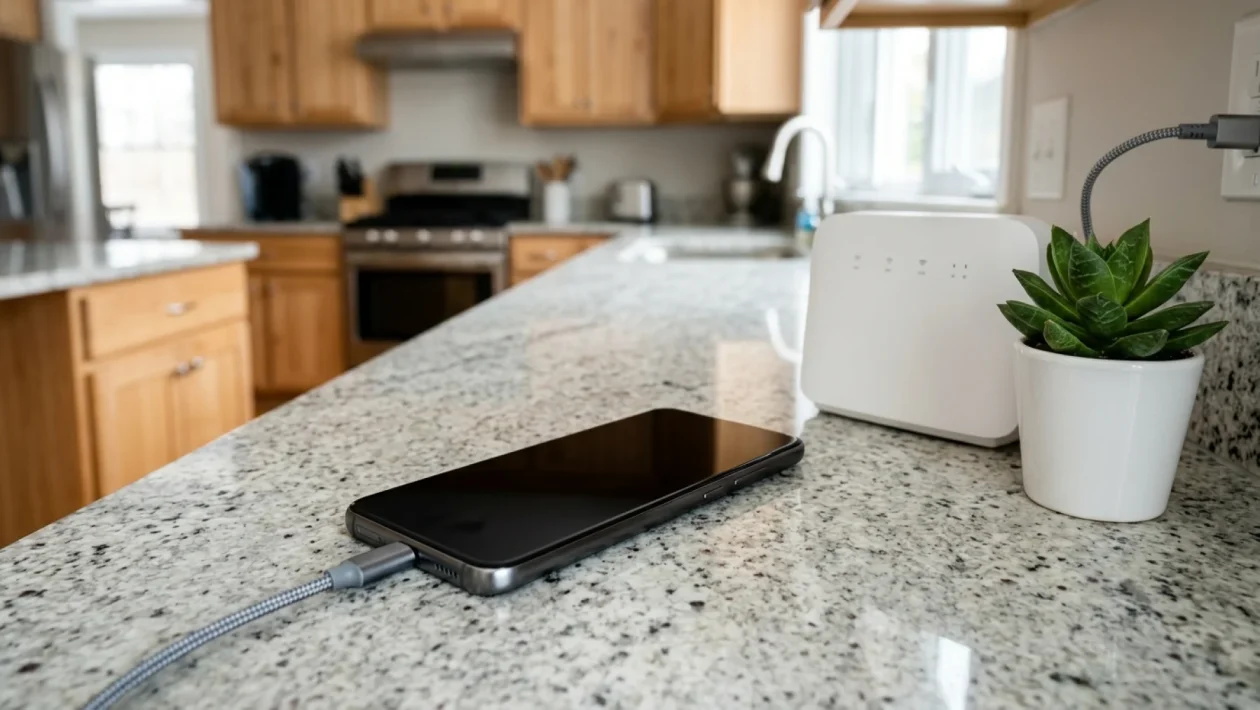
- Establish physical drop zones: Make a hard rule that all phones charge in the kitchen overnight, completely removing the temptation.
Let’s do a quick breakdown of what this sweeping legislation actually achieves versus the daily headaches it causes for parents.
| The Good | The Bad |
|---|---|
| Drastic reduction in cyberbullying | Initial spike in household arguments |
| Better sleep quality for teens | Teens feel socially isolated at first |
| More time for real-world hobbies | Parents have to act as the “bad guy” |
FAQ: Navigating the digital transition
Will a VPN bypass these new laws?
Not easily. The new laws require platforms to use server-side ID verification. This means a simple location-spoofing VPN won’t fake a birth certificate or fool the facial estimation software.
What if my teen needs social media for school clubs?
Most legislation includes specific exemptions for educational platforms or allows read-only access. You can also legally grant localized parental consent for specific, heavily monitored apps if necessary.
How long does the “detox” phase last?
Expect a solid two to three weeks of heavy friction at home. Stand your ground, because the mood swings usually level out by week four when their dopamine receptors reset.
🤝 Good luck navigating these murky digital waters, because being a parent in 2026 isn’t for the faint of heart.
💡 Remember, you aren’t just taking away their digital toys; you are handing them back their childhood.
📱 It might be a rocky summer, but the peace of mind you will get when they finally look up from the screen is worth every single argument.
👇 If you have found a clever way to keep your kids entertained offline this month, share your thoughts in the comments below!