
One of the world’s smallest nations is erasing its colonial moniker. The tiny Pacific island previously known as Nauru—a nearly 8-square-mile territory northeast of Australia—has officially adopted its traditional name: the Republic of Naoero.
- The country reinstated the traditional name to honor its native language and heritage.
- Naoero’s parliament unanimously approved the shift, bypassing a planned public referendum.
- The island nation, home to roughly 12,000 residents, first gained independence in 1968.
Reclaiming an Identity
The change, pronounced “Now-ero,” aims to accurately reflect the nation’s indigenous language. Parliament unanimously approved the constitutional shift in May.
Lawmakers initially planned to send the decision to a public referendum. However, leaders ultimately bypassed the vote following what they described as “thoughtful deliberation.”

Republic of Naoero Flag
Under the new designation, citizens will be known as dei-Naoero. The nation’s international tracking code will also switch from NRU to NRO.
Fixing a Historical Mispronunciation
For generations, the country was called Nauru simply because foreign explorers and colonizers struggled to pronounce its true name. Some early travelers even resorted to the shorthand “Pleasant Island.”
Government officials made it clear that they are not inventing a new identity to rebrand the country on the global stage.
“Naoero is not a new name seeking acceptance by the people,” the government announced in a July 29 statement. “It is already the identity of the people, is on the national coat of arms, and spoken in the community; and importantly is allowed by the Constitution.”
A Legacy of Exploitation and Survival
Indigenous people have inhabited the island for 3,000 years, but Western powers disrupted their way of life starting in the 1700s. Over the centuries, the island fell under the control of Germany, Australia, and Japan.
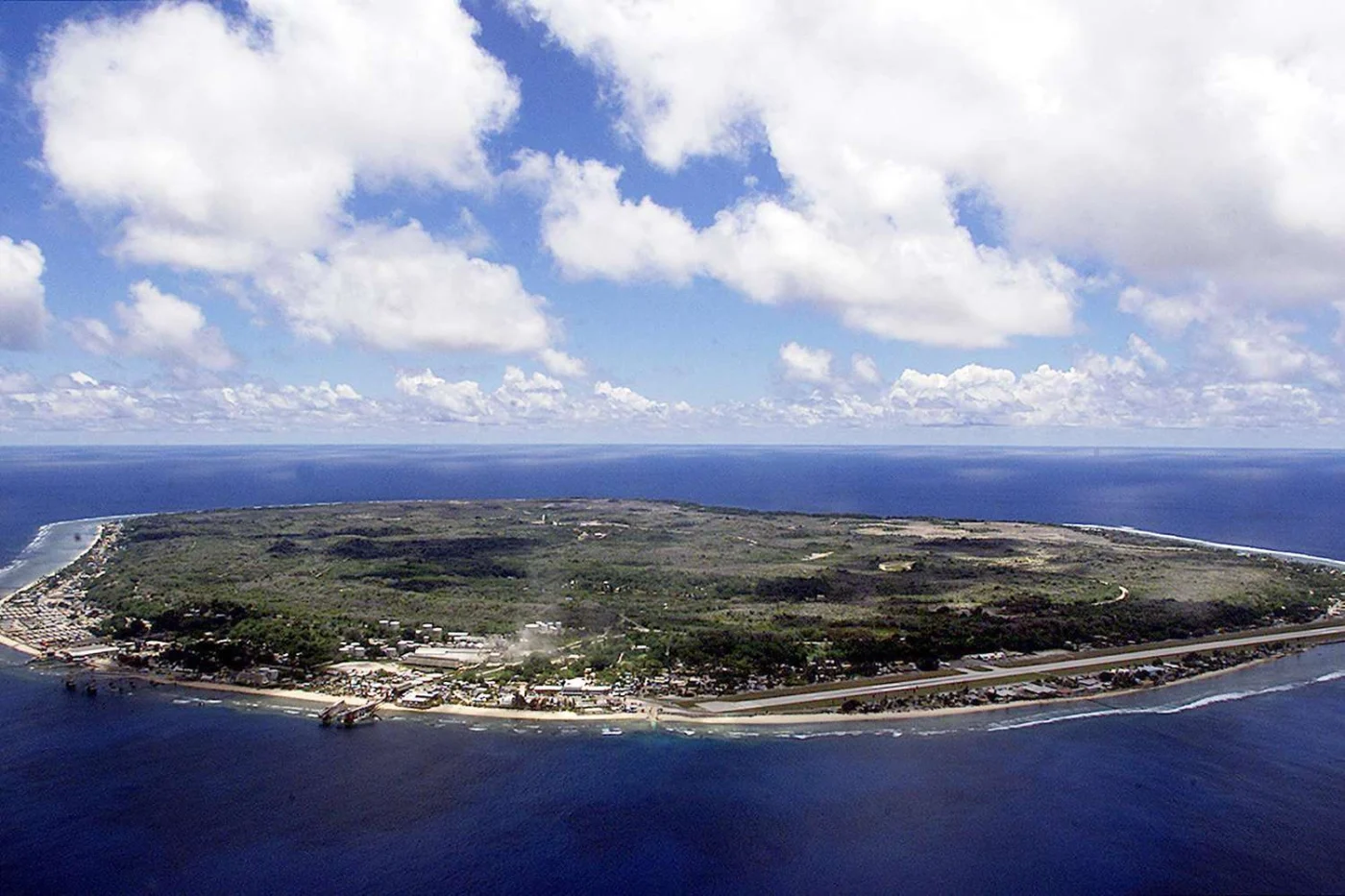
It was governed jointly as a protectorate by Australia, New Zealand, and the United Kingdom until finally achieving independence as a republic in 1968.
Today, the Republic of Naoero is the third-smallest country by population globally, trailing only Vatican City and Tuvalu.
The nation has survived massive economic turbulence, including a 1970s phosphate mining boom that left the environment devastated and the economy teetering on collapse once deposits were depleted. Now, rising sea levels driven by climate change threaten its foundational infrastructure.
A Global Decolonization Trend
Naoero joins a growing list of nations shedding colonial labels. In 2018, the African nation of Swaziland reverted to its historical precolonial name, Eswatini.
Derek H. Alderman, a geography professor at the University of Tennessee, views this as a crucial step for formerly subjugated nations seeking to repair cultural and linguistic damage.
“While countries may now be independent economically and politically, they are often still living with the legacy of the cultural and linguistic impositions of their colonizers,” Alderman noted.